What To Do If Your Horse Is Dropping Feed
Dr. Thunes offers advice for a horse who isn’t chewing quite right.

Dr. Thunes offers advice for a horse who isn’t chewing quite right.

Is your horse approaching his retirement years? Learn how to keep your horse happy and healthy after his athletic career.
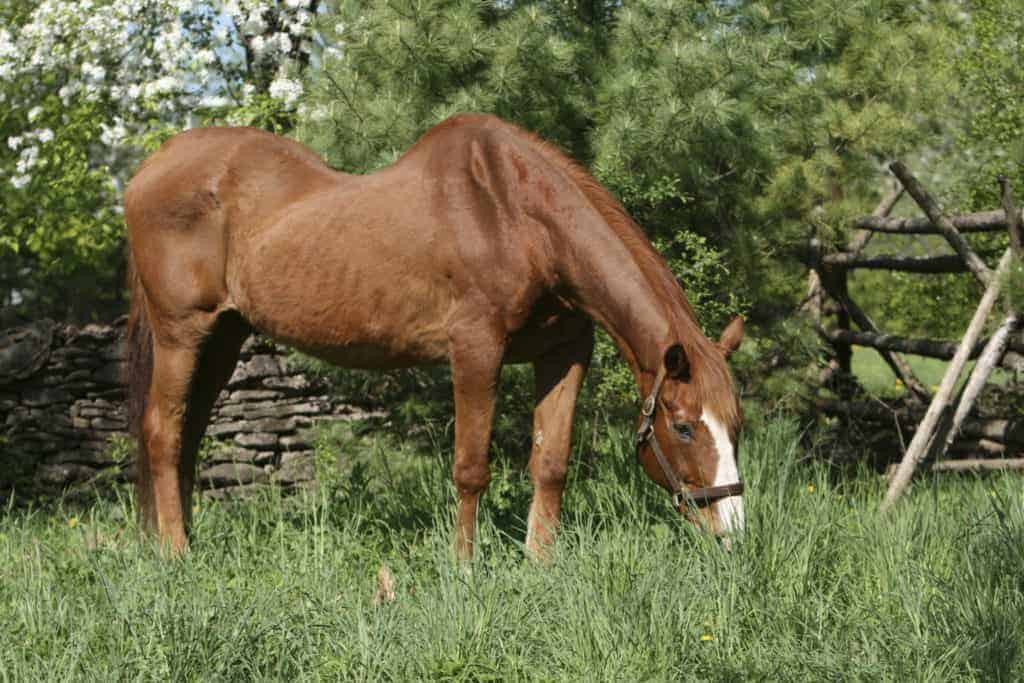
As horses get older, they face common age-related conditions and diseases that require management and care. Learn more about those conditions and diseases in this slideshow.

Here’s what you need to know about how to make a change in your horse’s hay or forage safely and effectively.

Dental care is an important part of keeping a horse healthy and happy throughout his life. Learn about common tooth problems and regular dental care in this slideshow.

Vet bills are an unavoidable, and often costly, part of horse ownership. But forgoing routine health care to reduce veterinary costs can backfire. Here’s how keeping up on your horse’s preventive care can help you save money in the long run.

Temporomandibular joint changes could cause pain as well as behavior problems and poor performance in horses. Or not.

Equine dental anatomy and issues are unique to horses, and they deserve special scientific analyses as well as consideration at home. A German research team took a closer look.

German researchers found foals can spontaneously correct their own overjets (parrot mouth) within a year. However, they also found that foals born without overjets can develop them within the first few months of life.

Find out how to keep your middle-aged horse’s teeth, feet, joints, and more healthy.

Here’s how to manage senior horses’ aging teeth, joints, lungs, and more.

Aging for horses means strength and flexibility diminish, as well as the body’s ability to handle infection. Still, there are steps owners can take to keep senior horses happy and healthy.
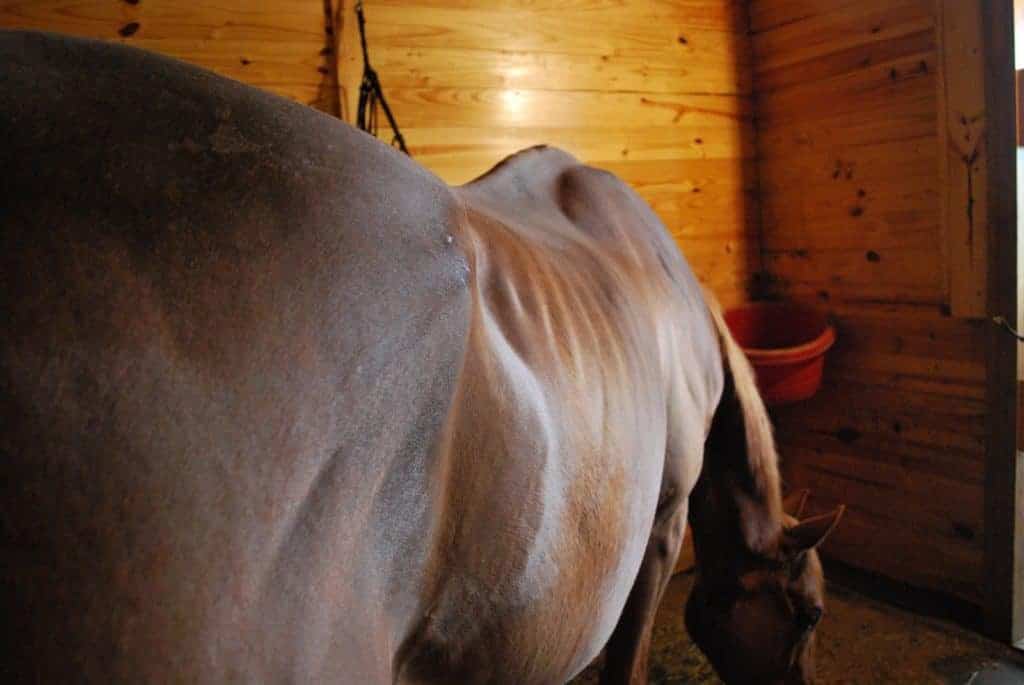
Health conditions, management changes, and palate preferences can affect a horse’s appetite.
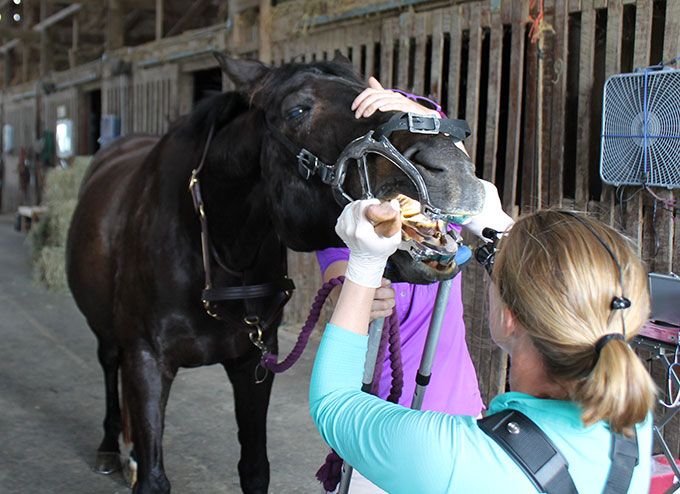
With an estimated 88% of horses over 20 years of age diagnosed with dental disease, veterinarians must be sure to maintain these patients differently than their younger counterparts.

The transition from baby to permanent teeth often goes smoothly, but issues can arise along the way.

Veterinarians have only recently described this dental disorder, which primarily affects older horses’ incisors and canines. Because EOTRH comes on slowly and insidiously, many owners and their vets don’t pick up on it until it’s in its late—and painful—stages, one equine dental specialist says.