Will Black Walnuts Hurt Horses?
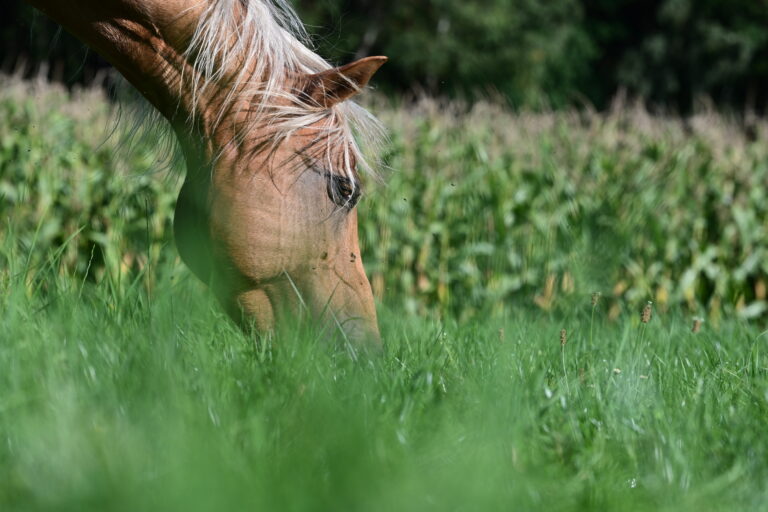
Is it dangerous for my horse to graze near areas with black walnut trees and walk through fallen walnuts?

Is it dangerous for my horse to graze near areas with black walnut trees and walk through fallen walnuts?

With proper care, senior horses can prosper. Here are a few points to consider.

Researchers know horse body weight, BCS, and body fat percentage appear to be correlated with blood concentrations of PGE2—a joint damage marker.

Read the latest in equine health research, news, and information presented at the 2018 British Equine Veterinary Congress in Birmingham, England.

How to unravel the reason behind your horse’s head-scratching weight loss.

Western Milling has agreed to pay $2.4 million in damages to the owners of several horses that reportedly became ill or died after consuming monensin-contaminated horse feed.

Equine atypical myopathy and seasonal pasture myopathy are caused by eating maple tree seeds or saplings containing hypoglycin A.

The FDA warned Gilman Co-Op Creamery and Farmers/Ranchers Cooperative Association of Ainsworth about monensin contamination in horse feed they produced. Monensin is an animal drug approved for use in cattle, swine, and poultry that is highly toxic and potentially lethal to horses, even at relatively low levels.

To help support its members with the provision of good primary equine dental care, the British Equine Veterinary Association (BEVA) has introduced some new online dental resources.

Equine researchers have begun studying the concept of whole-body inflammation because of its links to a variety of health problems, including “leaky gut syndrome”; musculoskeletal injury risk; and equine metabolic syndrome, insulin resistance, and laminitis.

Bare pastures and potential hay shortages, coupled with winds blowing seeds from laden sycamore trees, have created the “perfect storm” to increase the risk of atypical myopathy in grazing horses in Britain, BEVA warns.

RESPE—the French epidemiological network for equine diseases—works main missions is to monitor equine diseases in France and throughout Europe and to alert the horse industry when a contagious equine disease outbreak is confirmed.

Fall is a great time of year to have your veterinarian perform a wellness check on your horse, including but not limited to a physical exam, an oral exam, vaccinations, and/or a lameness exam.

Find out which horses are at the highest risk for feed-related choke and what you can do to reduce that risk.

Read some of the top tweets and take-homes on topics such as lameness, equine obesity, laminitis, and more from the 2018 British Equine Veterinary Association Congress.

Belgian veterinarians have successfully completed the first cardiac ablation—a procedure used to correct irregular heartbeats—performed in a horse. Diamant, a 5-year-old Norwegian show jumper, came through the four-hour operation with no difficulties.
Stay on top of the most recent Horse Health news with
"*" indicates required fields