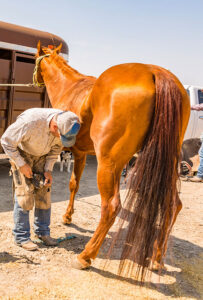
Repeat Colic Surgeries Don’t Always Have a Poor Prognosis
Of 22 horses that underwent a second surgery, 19 survived and were discharged from the hospital, researchers found.

Of 22 horses that underwent a second surgery, 19 survived and were discharged from the hospital, researchers found.

The steps owners should take if they suspect a horse has colic depend on the severity of the signs. Here’s what to know.

To date, the state has confirmed four EEE cases and 14 WNV cases in horses.
Dr. Janet Beeler-Marfisi is studying better ways to diagnose equine lung disease using cell markers and flow cytometry.
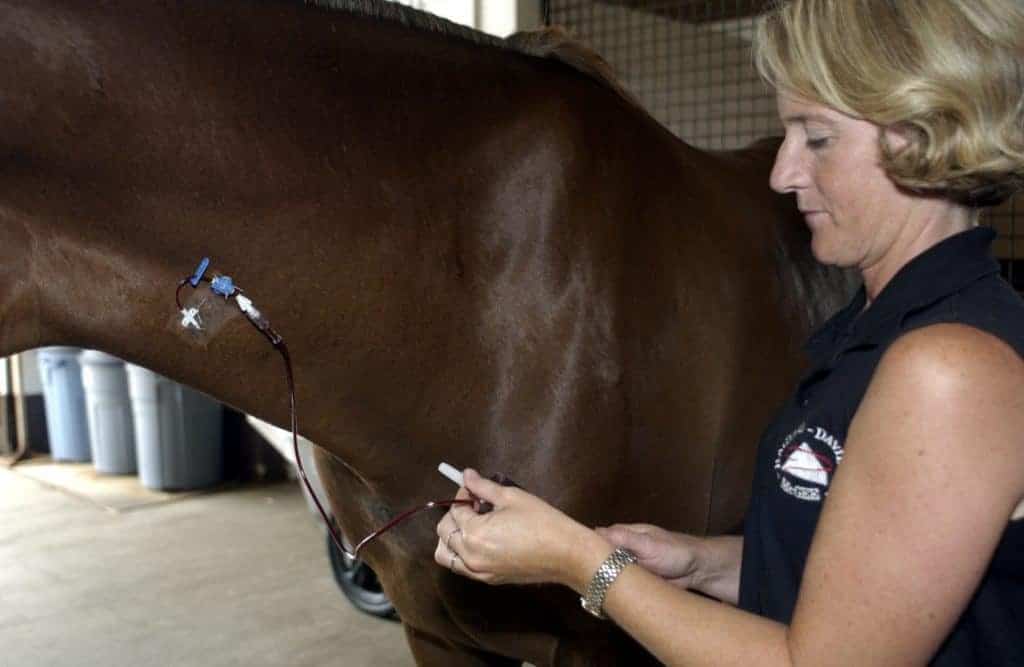
If levels continue to increase for more than three to four days post-surgery, complications could be brewing.

While rabies is fatal, the disease is also preventable. A veterinarian shares five tips to protect you and your horse.

Chronic colic in horses presents a unique challenge and creates a diagnostic puzzle for veterinarians to piece together. Here’s how they approach it.

Vets are using serum amyloid A, a naturally produced protein, to detect equine infections and monitor treatment.


The 9-year-old Atlantic County mare had not been vaccinated against EEE for two years and is undergoing treatment.

Of the 854 respondents, 681 (80%) said their horses are currently vaccinated against rabies.

Researchers found that antimicrobial-impregnated dressing could help reduce the incidence of surgical site infection.

Quantitative information provides better data for determining treatment and prognosis, researchers said.
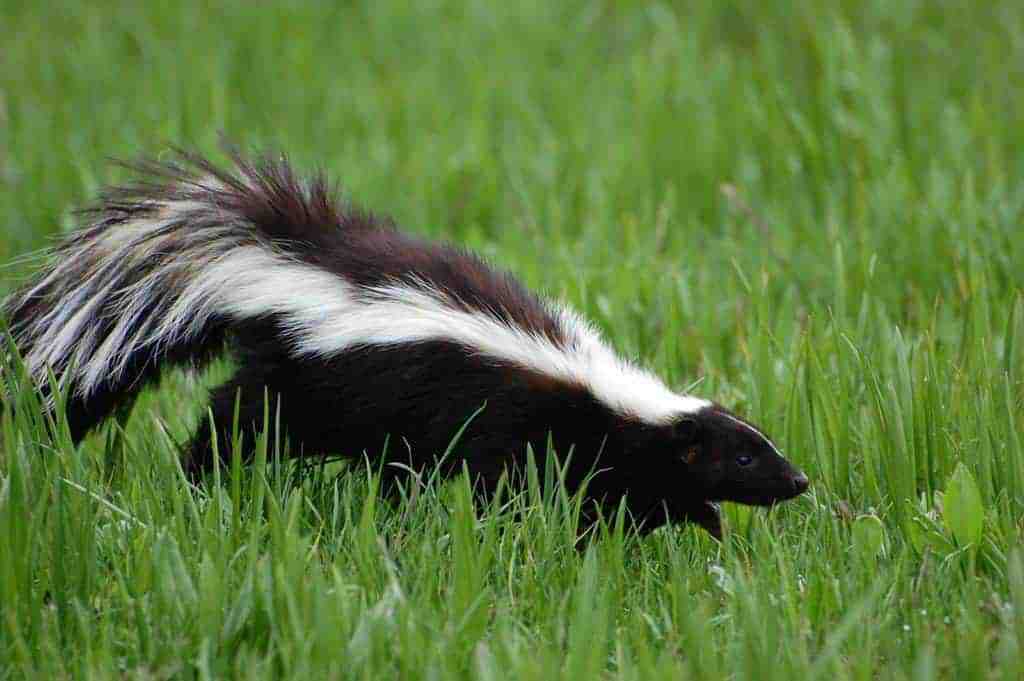
The Horse and Merck have teamed to bring you rabies-related content Sept. 24-30, 2017.
The Horse and Merck have teamed to bring you rabies-related content Sept. 24-30, 2017.

This is good news, researchers say, since oxytocin infusion is the best treatment for retained placenta in mares.