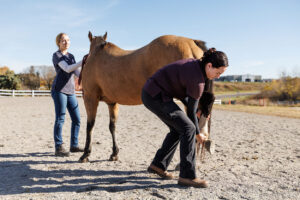
Neurologic EHV-1: The Top Five Things You Need to Know
One EHV-1 authority shares the top five things horse owners should know about EHV-1.

One EHV-1 authority shares the top five things horse owners should know about EHV-1.
The American Quarter Horse Foundation will fund two equine research projects at the University of Kentucky
The study “Orthopedic and Genetic Roles in Wobbler Syndrome” is being carried out at the Gluck Equine Research
Horses with neurologic disease often receive oral vitamin E supplementation.
The “International Summit on Race Day Medication, EIPH, and the Racehorse” will begin June 13 at Belmont Park.
The American Association of Equine Practitioners’ to host joint meetings, “Focus on Colic” and “Business
Kentucky agriculture commissioner Richie Farmer encourages horse owners to talk to their veterinarians about
Nothing disrupts the joy of foal ownership like the observation of potential problems: A disinterest in nursing, a depressed attitude, strange mannerisms, or seizures could mean a foal is suffering from some serious neurologic problems. During a
As international horse transport becomes more widespread, some owners might wonder if the same equine influenza vaccines designed to protect horses from common domestic strains of the disease will also shield them from foreign strains they might
The “International Summit on Race Day Medication, Exercised-Induced Pulmonary Hemorrhage (EIPH), and the Racehorse” has been scheduled for June 13-14 in New York City. The event is jointly sponsored by the American Association of Equine Practitioners
There’s nothing more heart-wrenching than watching a newborn foal fight for his life.
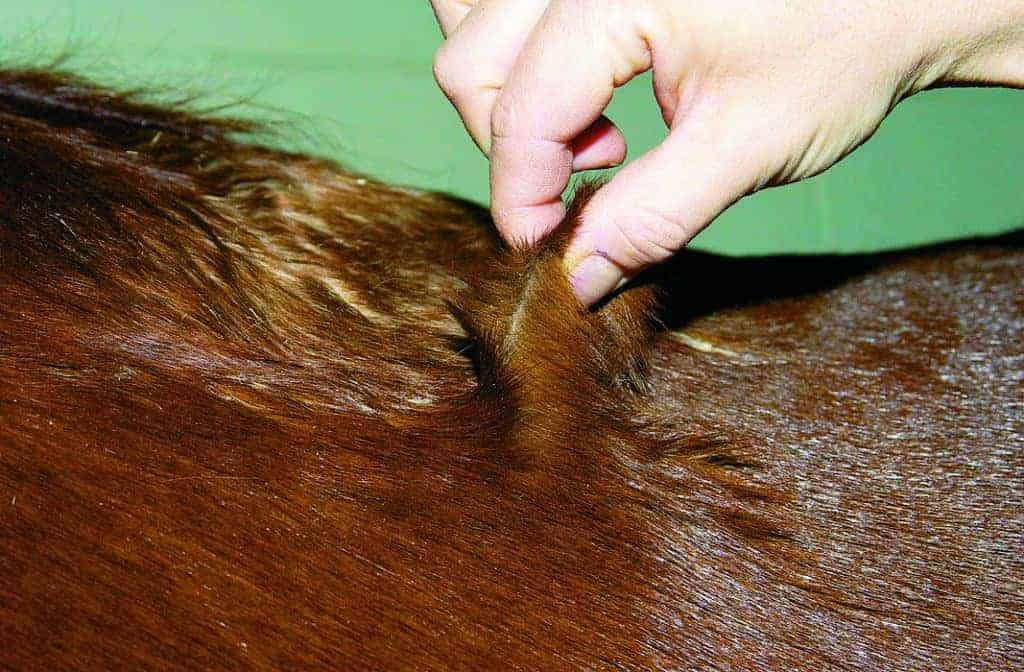
Some skin conditions in horses are caused by fungus and bacteria, while others are caused by external factors
The Equine Cushing’s and Insulin Resistance Group (ECIR Group) recently announced plans for the First Annual No Laminitis! Conference to take place on Aug. 5-7, 2011, hosted by Black Horse Consulting in conjunction with DeMario Farms of Chittenango,
Sweet itch is one of several seasonal allergies that a horse might encounter.
Devil May Care, a starter in the 2010 Kentucky Derby Presented by Yum! Brands, was euthanized May 4 after a confirmed diagnosis of lymphosarcoma, a form of cancer. The filly’s condition was recently confirmed by Johanna Reimer, VMD, Dipl. ACVIM, of
The Australian Veterinary Association (AVA) is warning Austalian horse owners to take precautions against the Hendra virus as the season for infections approaches. “There are still lots of gaps in our knowledge about how Hendra virus spreads, and we