Potomac Horse Fever: Cause and Treatment

Potomac horse fever (PHF) is a disease that affects horses during warm weather months, occasionally causing outbreaks of diarrheal illness in horses that are kept near rivers, streams, or in irrigated pastures.

Read More

Remember Rabies

There is no cure for rabies in man or animal, yet all mammals are susceptible. Since mid-June 2007, there have been reported cases of animal rabies in a number of states. To draw attention to the world-wide problem of rabies, the Centers for

Read More

Researchers Test WNV Vaccines

In a recent study, University of Florida researchers evaluated the effectiveness of three commercially available equine West Nile virus (WNV) vaccines. While all vaccinated horses, irrespective of the vaccine administered, did not develop viremi

Read More

EIA Discovered in Southern France

Two horses have been euthanatized after testing positive for equine infectious anemia (EIA) in Ard?che, a department in the Rh?ne-Alps region of southern France, according to an announcement made by the French Minister of Agriculture

Read More

Drug Test Results Questioned in Kentucky

The results of post-race blood tests in five horses that raced at Keeneland or Churchill Downs have raised some red flags in Kentucky.

Trainers Bobby Frankel, Bob Holthus, Mike Maker, Bob Pincins, and Mike Tomlinson were notified by the

Read More

Summertime Skin Problems

Summertime has a tendency to bring sunshine, heat, humidity, and insects to a horse barn. These three things can be hard on a horse’s skin, and can lead to the development of several common issues.

Read More

Septicemia: Early Detection Is Important

A recently published study could help veterinarians predict the causative agents of a deadly bloodstream infection (septicemia) common in newborn foals by characterizing clinical signs associated with different types of bacteria.

“Infection

Read More

West Nile Virus Detected in Idaho

West Nile virus (WNV) has been found in mosquitoes in southwest Idaho, the Idaho Department of Health and Welfare reported.


Mosquitoes in Gem County tested positive for the virus June 8. It is the first time this year the virus has been

Read More

Toxicity of Equisetum to Horses

Present and persistent since the Paleozoic era (250 to 540 million years ago), the plants of the genus Equisetum, commonly known as horsetail, are considered to be living fossils. These widespread, perennial, fern-like plants are found in most temperate areas of the world. They can have detrimental effects on horses if consumed in large quantities (e.g., four to five pounds

Read More

West Nile Virus Appearing in Washington Horses

In 2002, Washington confirmed its first two equine cases of West Nile virus (WNV) in Pierce and Thurston counties. The disease was not seen again until 2005, when one positive horse was found in Yakima County. In 2006, six cases were confirmed,

Read More

More From The Horse

GrayHorse_Joints_AdobeStock_190567749
horse nose
Woodford Veterinary
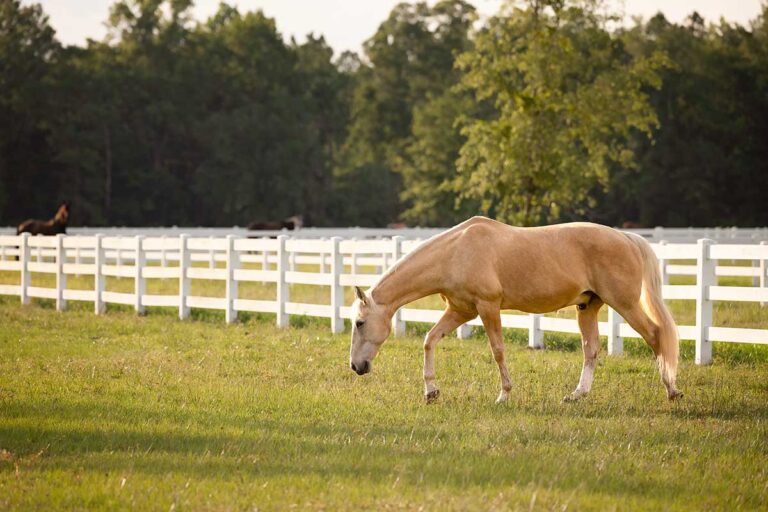
Palomino horse walking in pasture

Stay on top of the most recent Horse Health news with

FREE weekly newsletters from TheHorse.com

Weekly Poll

sponsored by:

Create a free account with TheHorse.com!

The Horse
Privacy Overview

This website uses cookies so that we can provide you with the best user experience possible. Cookie information is stored in your browser and performs functions such as recognising you when you return to our website and helping our team to understand which sections of the website you find most interesting and useful.