Spring Fevers

Respiratory problems are frequent health issues for horses, and are often associated with microbial infections. For horse owners preparing for spring competitions or the birth of foals, a review of respiratory diseases is timely. Owners need to

Read More

Sun Protection: Does Your Horse Need Sunglasses?

While sunglasses and sun screen might be the obvious solutions for fair-skinned humans, they’re impractical for horses. Protection from sun glare, however, is as important for horses as it is for humans, because horses with little or no pigment in th

Read More

Georgia Neurologic Case Highlights Difficulty of Rule-Outs

A 24-year-old pleasure mare in Brunswick, Ga., was recently diagnosed with concurrent infections of equine protozoal myeloencephalitis (EPM) and equine herpesvirus type-1 (EHV-1), both of which can cause clinical signs of neurologic disease

Read More

AAEP Convention 2005: Inflammatory Airway Disease

A racehorse running at top speed breathes about 120 times per minute, moving about 12-15 liters of air per breath or 1,400-1,800 liters per minute. With this amount of airflow, it’s not hard to imagine that any amount of airway inflammation can

Read More

AAEP Convention 2005: Upper Airway Obstructive Disease

“Before high-speed treadmill (HSTM) endoscopy, we did not recognize the complexity of maintaining a open airway under enormous pressure swings during inspiration and expiration (breathing in and out),” said Eric Parente, DVM, associate professor

Read More

AAEP Convention 2005: Infectious Neurologic Disease

Sometimes subtle and often dramatic, infectious neurologic disease cases are things veterinarians never want to see, although most would like to understand them better and more easily recognize them when they appear in clients’ horses. From

Read More

AAEP Convention 2005: Early Diagnosis of EPM with Biomarkers

A researcher has found a reliable way to diagnose equine protozoal myeloencephalitis (EPM) in the acutely affected horse by examining genetic markers in its blood. This technique could potentially be applied to detect evidence of other infectiou

Read More

The Respiratory System (Book Excerpt)

The respiratory system’s main goal is to transfer oxygen from the air we breathe to the red blood cells where the oxygen will be transported throughout the body and be available for all organs and tissues.

Read More

AAEP Convention 2005: Vaccine Efficacy and Controversies

“There are a huge number of (vaccine) choices out there and it’s hard sometimes to see our way through the forest,” said Julia Wilson, DVM, Dipl. ACVIM, associate professor in Veterinary Population Medicine at the University of Minnesota. “What

Read More

Hold Order at Additional Maryland Training Center

The Maryland Department of Agriculture placed an initial “Investigational Animal Hold Order” on Barn 1 at the Bowie Training Center in Bowie, Md., this afternoon (Feb. 1) after a horse showed clinical signs of neurologic equine herpesvirus type-

Read More

Skin Problems in Horses

There are many problems that can affect a horse’s skin–from insect allergies to fungal, viral, or bacterial infections. The skin is the body’s largest and most important organ; it protects the inner structures of the body from the outside

Read More

Inhalation Therapy for Equine Airway Disease

Editor’s Note: N. Edward Robinson, BVetMed, PhD, is the Matilda Wilson professor in large animal clinical sciences at Michigan State University. He is one of the world’s leading researchers in equine airway disease, and he has lectured on

Read More

More From The Horse

Pferd im herbstlichen Wald
hydroponic fodder system
Beautiful Arabian horse silhouette against morning sun shining through haze and trees
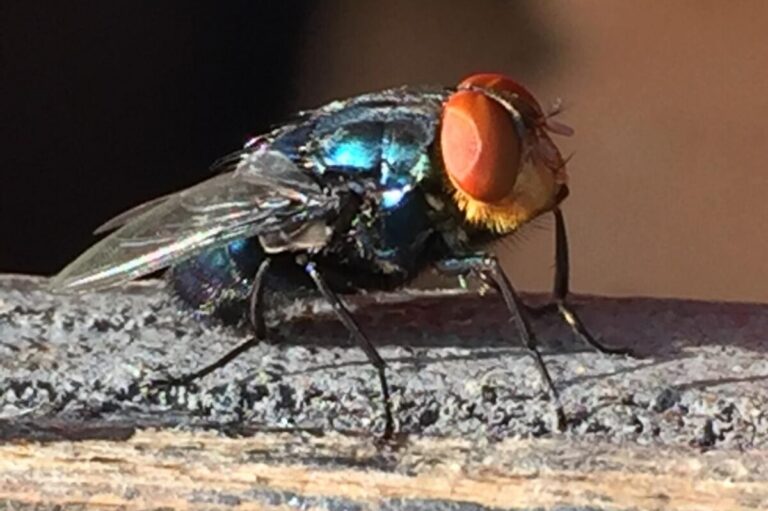
screwworm-fly-photo-by-usda_large

Stay on top of the most recent Horse Health news with

FREE weekly newsletters from TheHorse.com

Weekly Poll

sponsored by:

Create a free account with TheHorse.com!

The Horse
Privacy Overview

This website uses cookies so that we can provide you with the best user experience possible. Cookie information is stored in your browser and performs functions such as recognising you when you return to our website and helping our team to understand which sections of the website you find most interesting and useful.