Vets Discuss How They Use SAA in Equine Practice
An SAA test can identify illness in horses, and it can also ensure they’re healthy enough for other procedures, such as surgery. Here’s a look into how some vets use SAA in their practices.

An SAA test can identify illness in horses, and it can also ensure they’re healthy enough for other procedures, such as surgery. Here’s a look into how some vets use SAA in their practices.

A U.S. Equestrian Team veterinarian who has overseen the shipping of horses to six Olympic Games shares what steps to take before, during, and after a long-distance trailer ride.

Veterinarians often prescribe medications to control acute and chronic clinical signs of disease, along with recommending environmental changes to limit asthmatic horses’ exposure to inhaled allergens. What do owners think of these sometimes time-consuming and expensive suggestions?
The ongoing Equine Respiratory Biosurveillance Program revealed new information on infectious respiratory disease threats, including EHV-1 and EHV-4, influenza, S. equi, equine rhinitis A/B viruses, and more. Here’s what you should know.
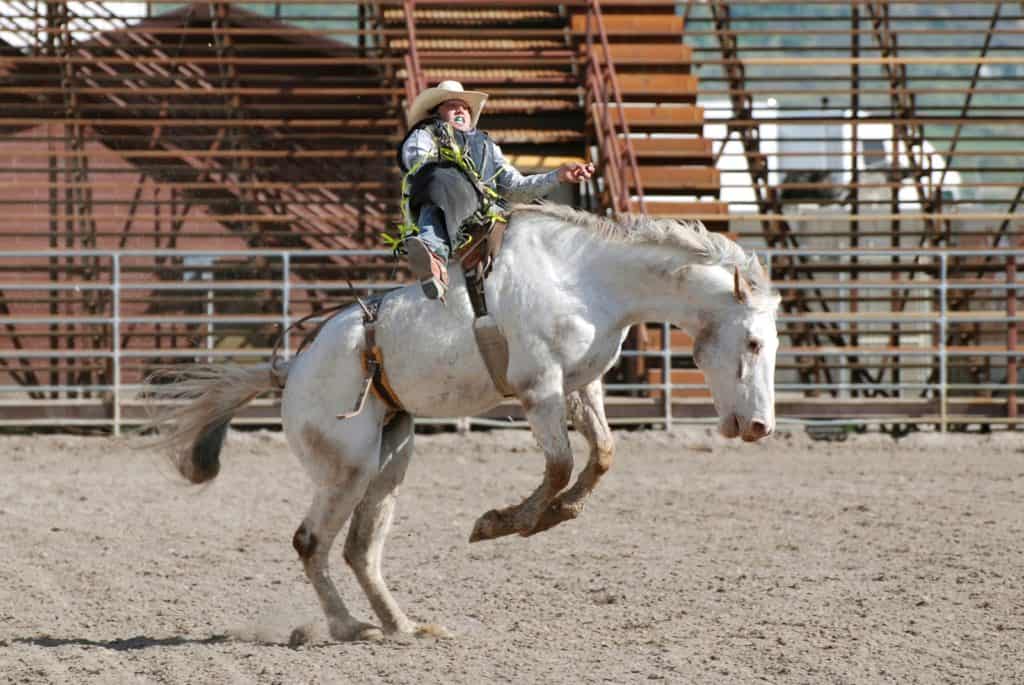
Learn more about the equine athletes that compete at rodeo events, the types of injuries they are prone to, and how veterinarians nurse them back to health.

Consider these tips to help protect your horse’s breathing zone and most effectively achieve optimal respiratory health this winter.

Researchers have suggested a link between DDSP and lower airway inflammation in racehorses, but the concept hadn’t been explored in sport horses. So, scientists in Belgium reviewed medical to identify instances and outcomes of DDSP treated medically.

A user in a wildfire-affected area asks if supplements can help support her horse’s respiratory system.

Are breathing issues slowing your horse down? Here are some surgical and management options that might help.

Look for equine respiratory health content during Respiratory Care Awareness Week, which takes place October 22-26, 2018.

Research on equine airway issues is important as almost all horses suffer from respiratory tract disorders, some performance-limiting, at some point in their lives, veterinarians say.

Many owners associate this disease with young or old horses, but horses of any age can get pneumonia.

By paying close attention to when and where it occurs and any additional clinical signs, you can help your veterinarian find the cause of and cure for your horse’s cough.
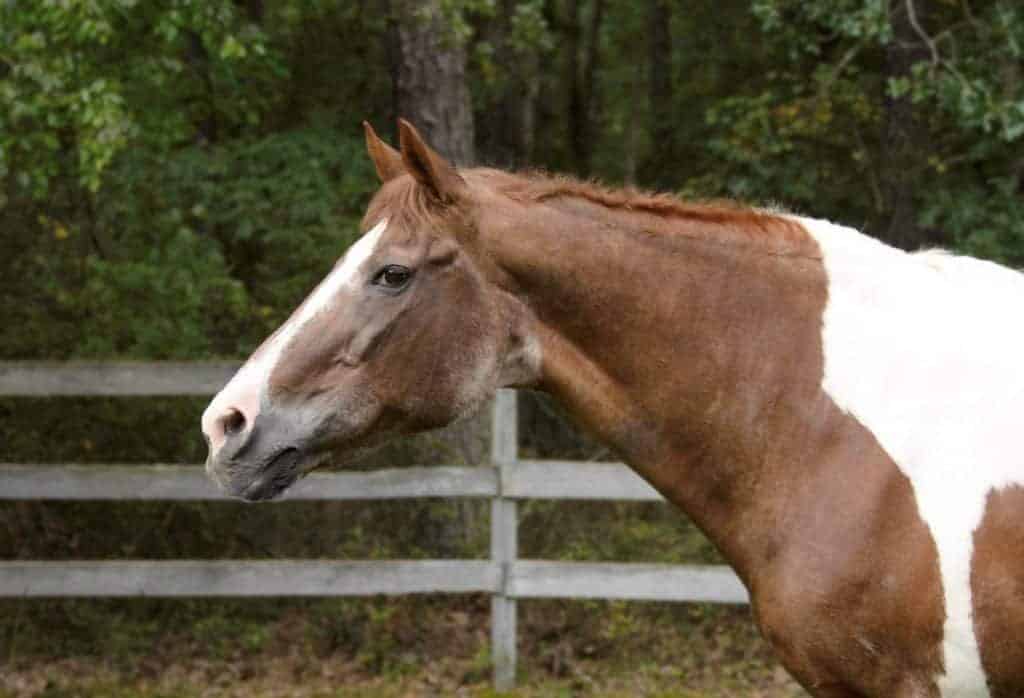
While every horse needs quality air to breathe, senior horses are particularly at risk for respiratory diseases.

Horses consuming crude protein at 12% of total dry matter intake excreted more nitrogen, which led to greater ammonia emissions.
Veterinarians have tools at their disposal, ranging from imaging to sample analysis, that can help pinpoint the cause of respiratory problems in sport horses.