Hay Soaking Tips
What’s the best way to soak horses’ hay to reduce dust and sugar content?

What’s the best way to soak horses’ hay to reduce dust and sugar content?

Acute respiratory distress syndrome (ARDS) causes rapidly progressive and severe respiratory failure and is associated with high mortality in affected patients.

Study: This corticosteroid was effective for treating horses with asthma and produced fewer side effects than current options.

Researchers designed the smartphone technology to rapidly identify equine viral respiratory cases. Now, they believe the same technology could help identify COVID-19 in humans.

Researchers found that owners of horses with severe asthma struggle to implement recommendations for a dust-free equine environment.
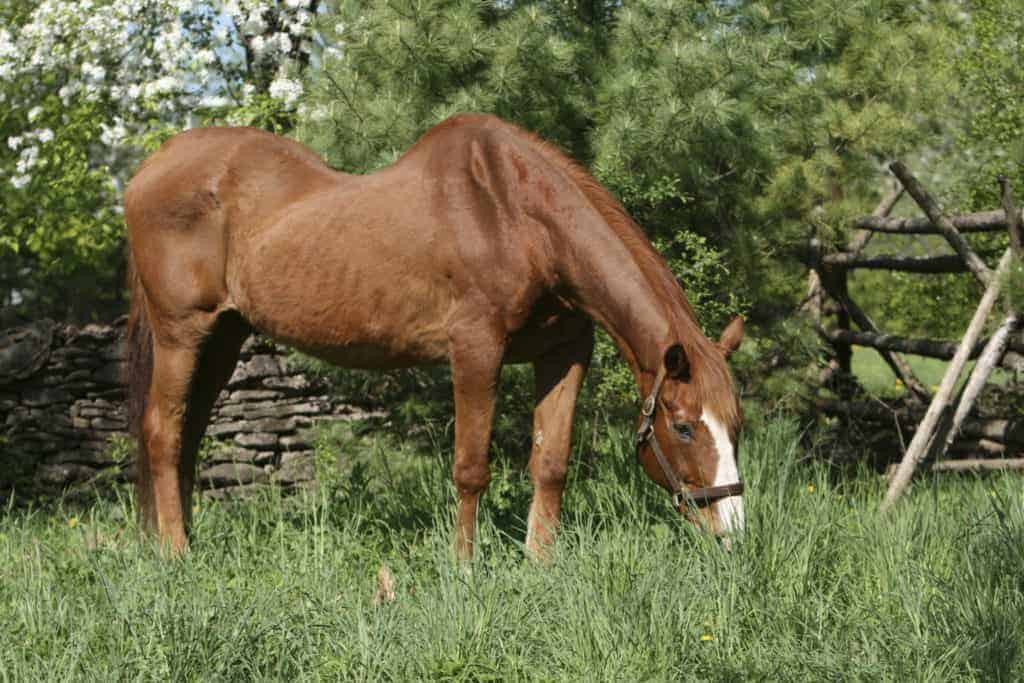
As horses get older, they face common age-related conditions and diseases that require management and care. Learn more about those conditions and diseases in this slideshow.

Have you walked into a barn and smelled a pungent, burning odor? That’s ammonia, and it’s hurting your horse.
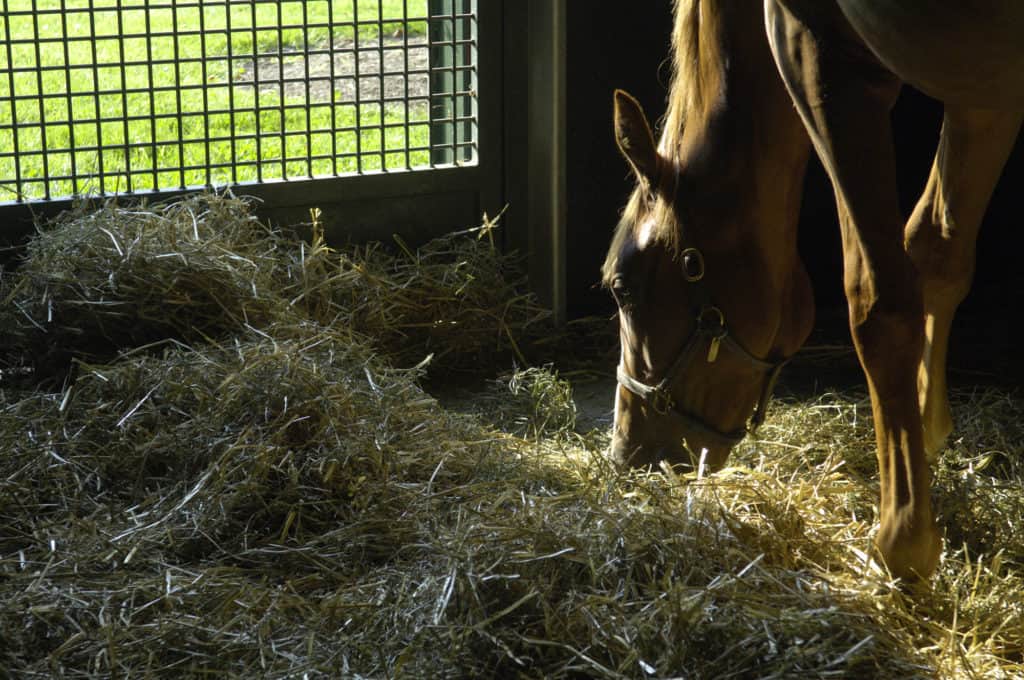
Management strategies include inhaled corticosteroids and environmental changes such as steaming hay.

Is the pungent smell of ammonia taking over your horse barn? Try a stall deodorizer or refresher.

Horses can experience more than one disease process at the same time, an occurrence known as comorbidity. In this article, we’ll take a look at equine diseases such as PPID and laminitis that veterinarians most commonly see in conjunction with other conditions.

A horse’s active competition schedule can make managing and treating respiratory problems challenging.
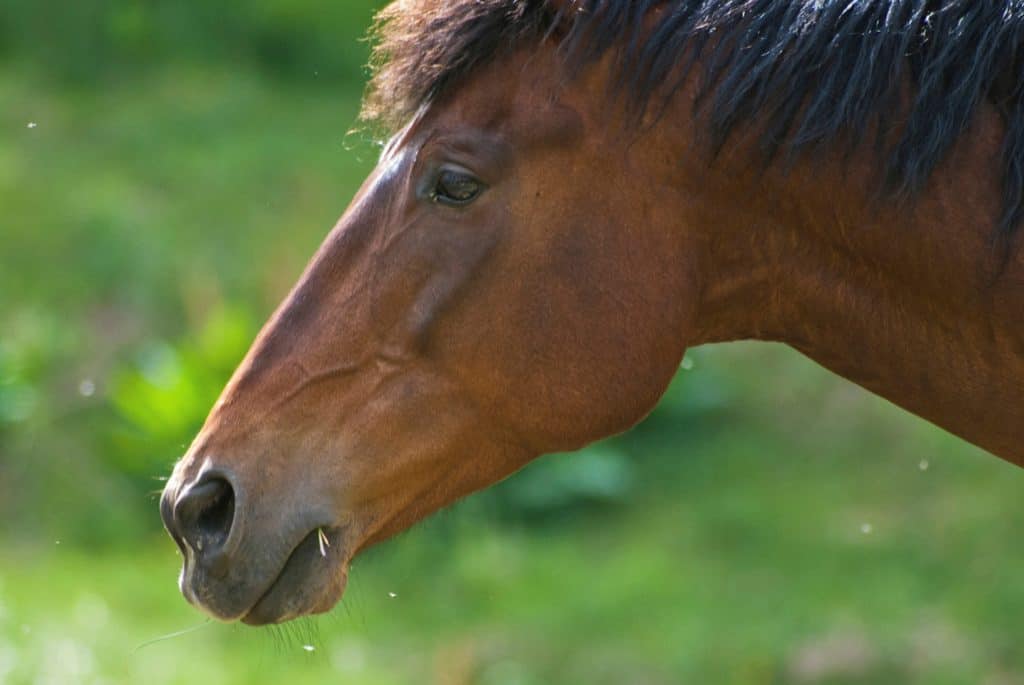
Researchers set out to determine whether these inhaled medications simply relieve airway constriction for horses with heaves or, more importantly, improve lung function. Here’s what they found.
For the first time, Australian researchers have confirmed 15 cases of chlamydial respiratory infection in neonatal foals. Scientists had previously only detected the bacterium in a few adult horses.
Guttural pouch mycosis (GPM) is a potentially life-threatening disease that may initially present as a simple nosebleed (epistaxis) or even poor performance in an equine athlete.

Smoke from wildfires can cause serious health problems for horses, as it can in people. Here’s how to protect your horses from smoke-related respiratory problems.
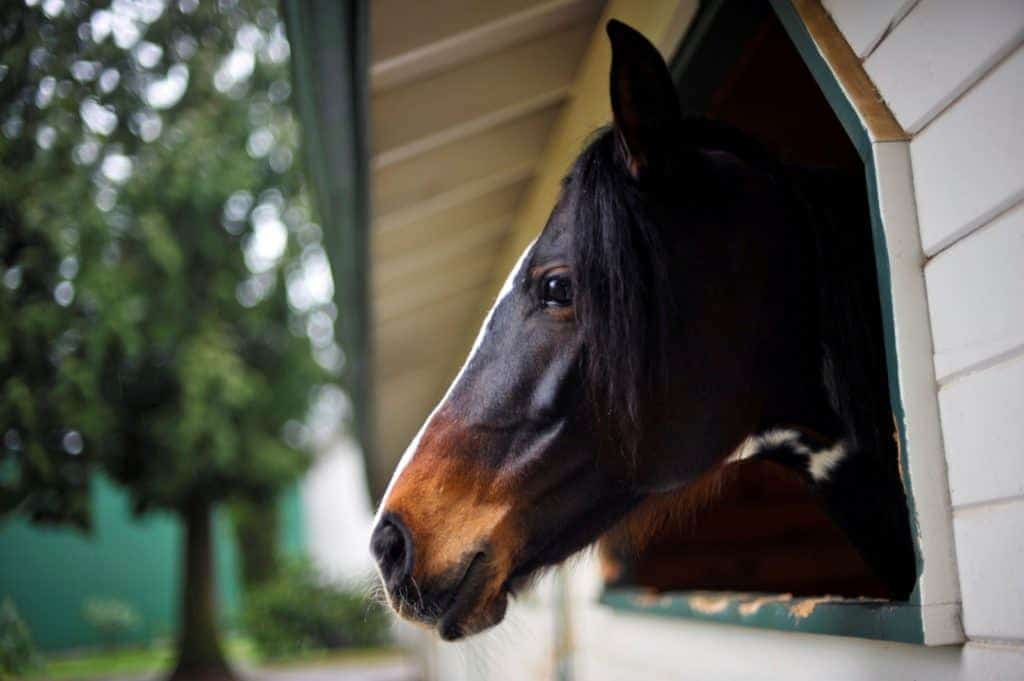
Researchers have discovered that breathing in various kinds of molds can cause a horse to develop IAD.