Inhaled Ciclesonide: Potential Help for Asthmatic Horses
Study: This corticosteroid was effective for treating horses with asthma and produced fewer side effects than current options.

Study: This corticosteroid was effective for treating horses with asthma and produced fewer side effects than current options.

Though it can, rarely, resolve on its own, airway noise always merits investigation. Learn about the three most common noise-making pathologies and how they’re treated.

Researchers designed the smartphone technology to rapidly identify equine viral respiratory cases. Now, they believe the same technology could help identify COVID-19 in humans.

Remember these pointers to help ensure your summer riding season is fun and safe.

Researchers found that owners of horses with severe asthma struggle to implement recommendations for a dust-free equine environment.
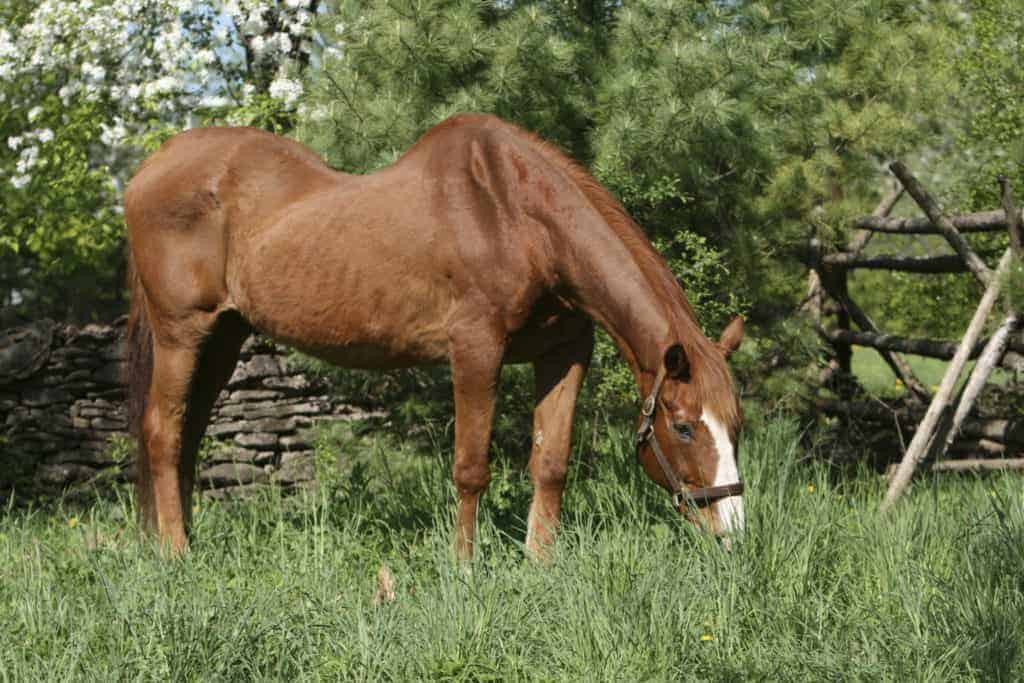
As horses get older, they face common age-related conditions and diseases that require management and care. Learn more about those conditions and diseases in this slideshow.

The guidelines make new recommendations for core and risk-based vaccines for horses. The committee further emphasizes that routine vaccinations are considered essential during the COVID-19 pandemic.
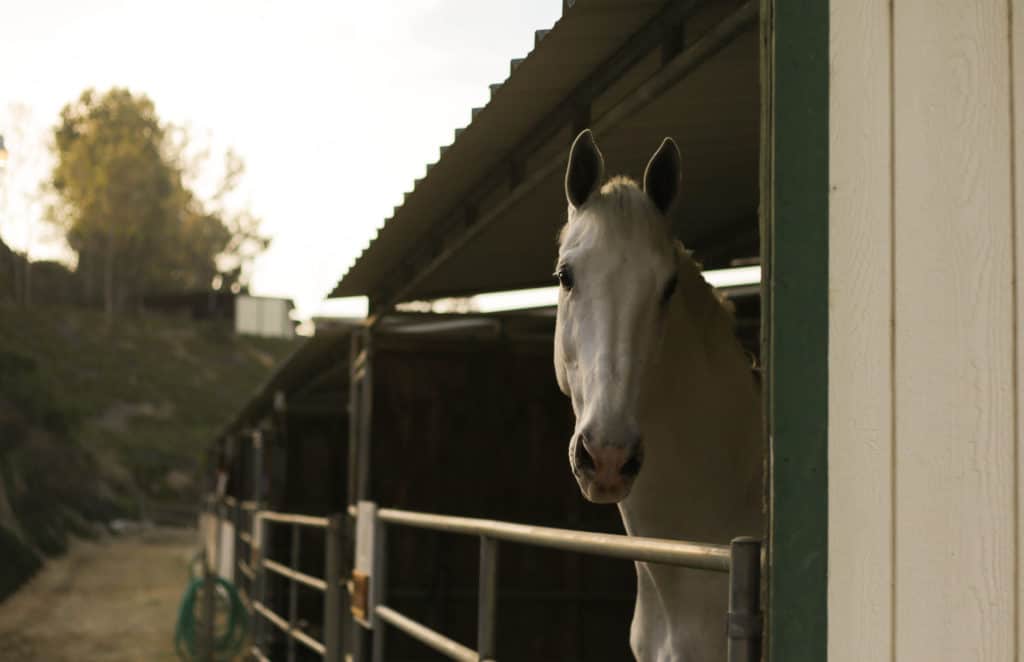
Adjusting a horse’s environment and administering medications as needed can help some asthmatic equids return to function.

Newborn foals are easy targets for every kind of bacterium, virus, and other pathogenic organism. Here are some steps you can take to maximize your foal’s immunity from gestation to weaning.

Have you walked into a barn and smelled a pungent, burning odor? That’s ammonia, and it’s hurting your horse.
Adult horses are at greatest risk of infection in late winter and early spring.
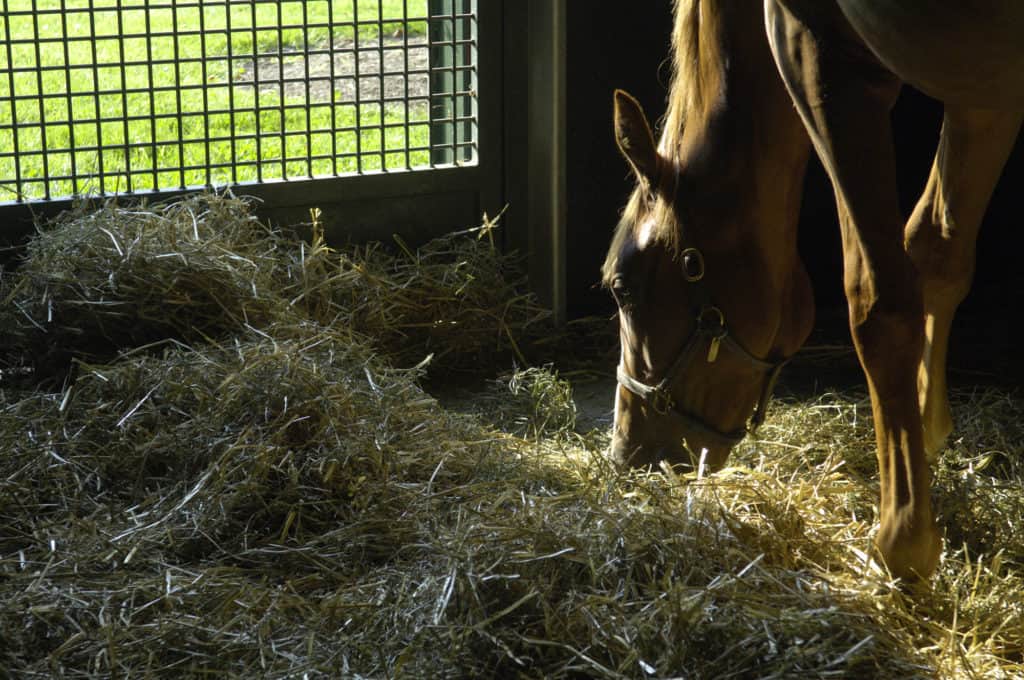
Management strategies include inhaled corticosteroids and environmental changes such as steaming hay.

All exposed horses remain under voluntary quarantine.

Is the pungent smell of ammonia taking over your horse barn? Try a stall deodorizer or refresher.

Eleven additional horses are suspected positive for infectious respiratory disease, and more than 50 exposed horses are under voluntary quarantine in Douglas County.

An additional 16 horses are under voluntary quarantine.