Feeding the Asthmatic Horse
Recurrent airway obstruction is a medical condition, but feed changes might help your horse breathe better.

Recurrent airway obstruction is a medical condition, but feed changes might help your horse breathe better.

Does alfalfa cause kidney or respiratory problems or make horses hyper? Specialists shed light on these myths and more.

Regular, strategic vaccination is a safe, effective method to greatly minimize the chances of deadly diseases impacting your herd.
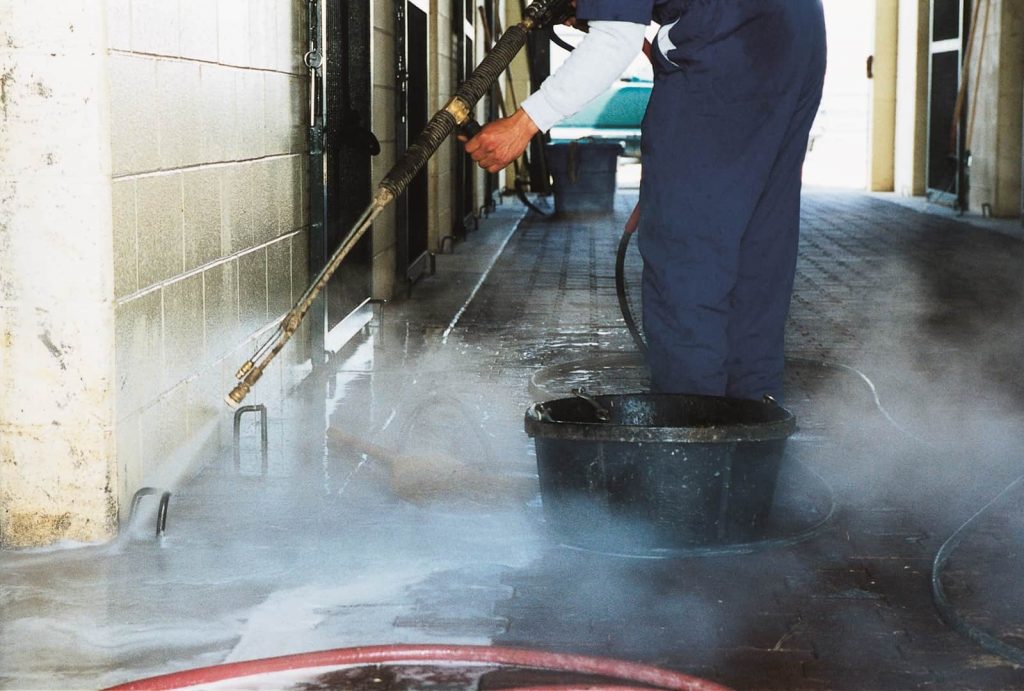
Taking these steps can help rid your barn of the strangles-causing pathogen.

Horses exposed to fire smoke can suffer respiratory injury; knowing what is normal can help you determine whether your horse might need veterinary attention.

Learn more about equine asthma, acute respiratory infections, and shipping fever in horses.

Cold, dry winter air can potentially leave horses susceptible to irritation, respiratory pathogens, and bronchoconstriction.

Use this visual guide to learn about lower respiratory problems that can affect your horse.

Several conditions can cause respiratory noise and distress in horses. Be vigilant, and have your horse evaluated if you notice signs.

After testing horses during a 2022 EHV-1 outbreak, researchers found even those showing no signs shed common respiratory pathogens.

Is your horse’s cough something to be concerned about?

Equine infectious respiratory disease and asthma projects receive $75,000 in Advancement in Equine Research Awards funding.

Standing surgery allows for treatment options that might not have been possible previously due to risks associated with general anesthesia.

An equine internist explains how she makes testing decisions and interprets results.

A wide range of conditions can cause poor performance, but many cases circle back to lameness with a behavioral component.

Keep dust to a minimum in arenas, barns, and paddocks for both aesthetic and health reasons.