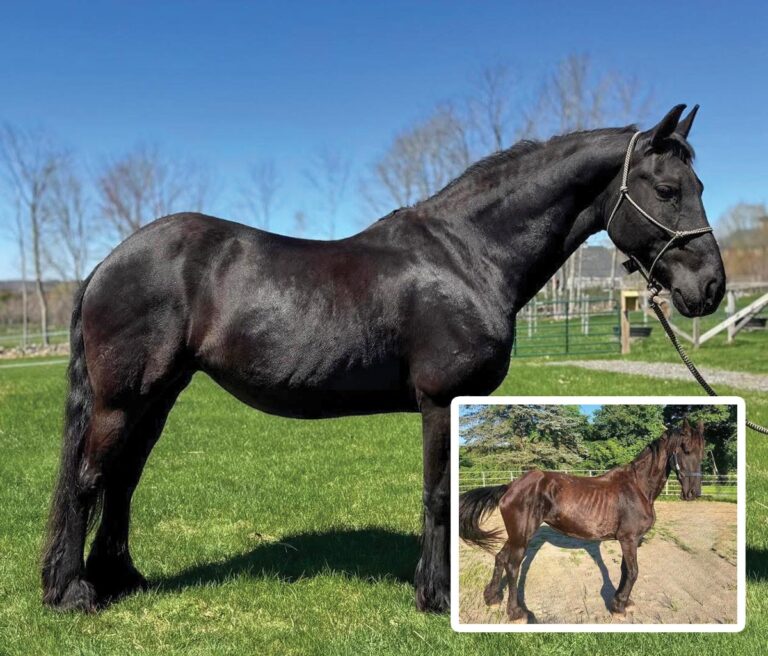
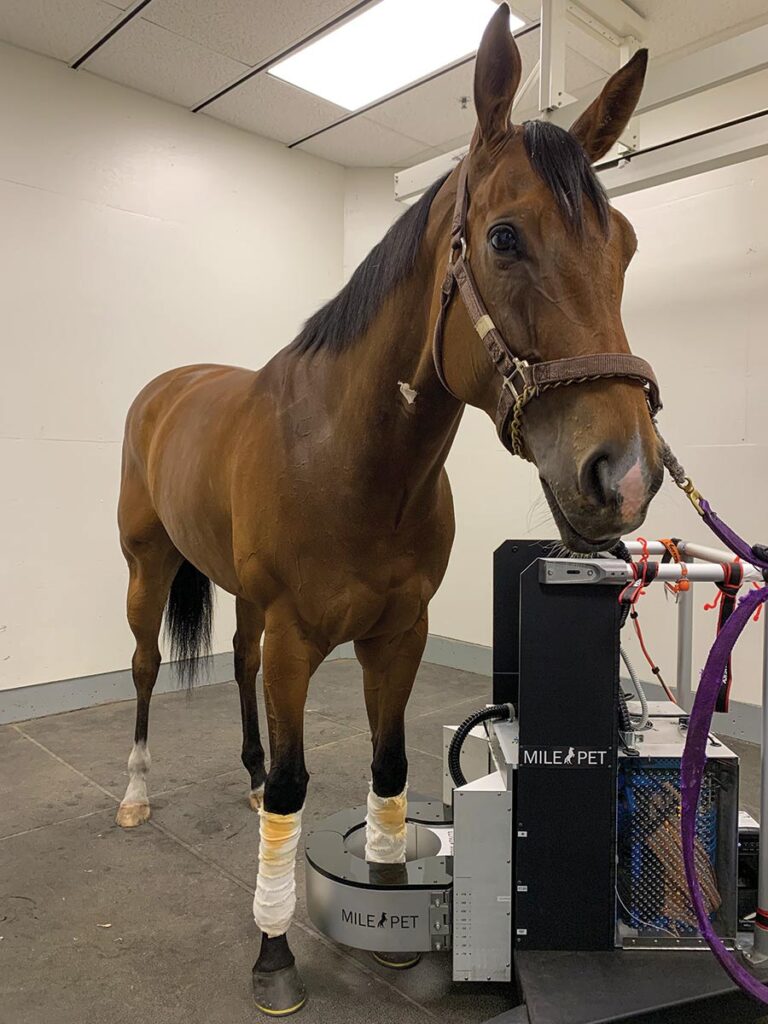
Horse Farm Biosecurity
Infectious diseases such as equine herpesvirus can be spread via exposed horses and on equipment. Here are the best ways to avoid this and keep your horses healthy.

Infectious diseases such as equine herpesvirus can be spread via exposed horses and on equipment. Here are the best ways to avoid this and keep your horses healthy.

Horse shows and events can act as petri dishes for infectious agents. Learn about the common pathogens horses encounter and how to protect your horse from them.

Horses with asthma have more nerves in their airways than unaffected horses. Researchers believe these new findings could lead to improved equine asthma treatments.

Veterinarians must consider certain factors when performing diagnostics to identify the source of respiratory disease.

What should and shouldn’t horses with heaves (or equine asthma) eat? A nutritionist offers advice.

Find out what conditions, beyond lameness, a veterinarian might uncover during a prepurchase exam.
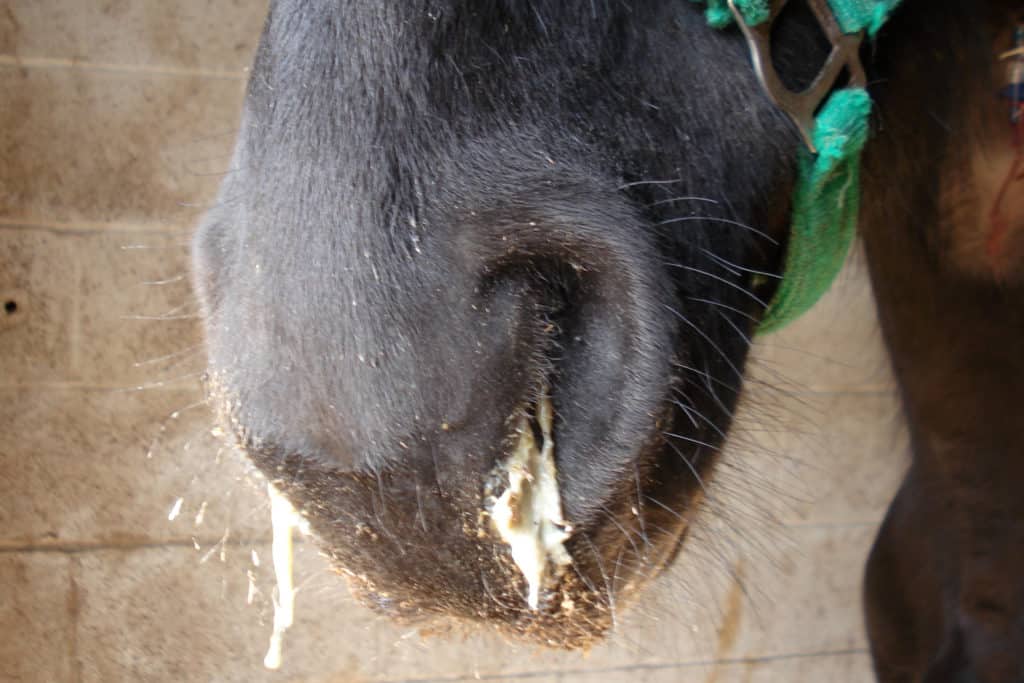
Here’s how to handle a strangles outbreak in your barn and prevent the disease in the future.

If your horse is living in an area with poor air quality, he might benefit from wet or steamed hay and omega-3 supplementation.
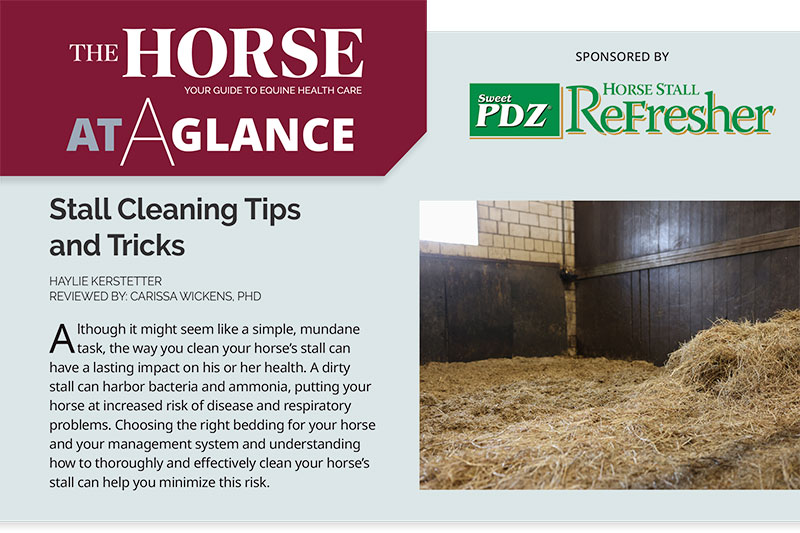
Learn how to choose the right bedding, effectively clean your horse’s stall, and protect his airways from ammonia. Sponsored by Sweet PDZ.

One expert explains why closing your barn doors and windows during the winter might not be ideal for your horse’s health.

Poor air quality from wildfire smoke can be very dangerous for horses. An equine internal medicine specialist offers advice.
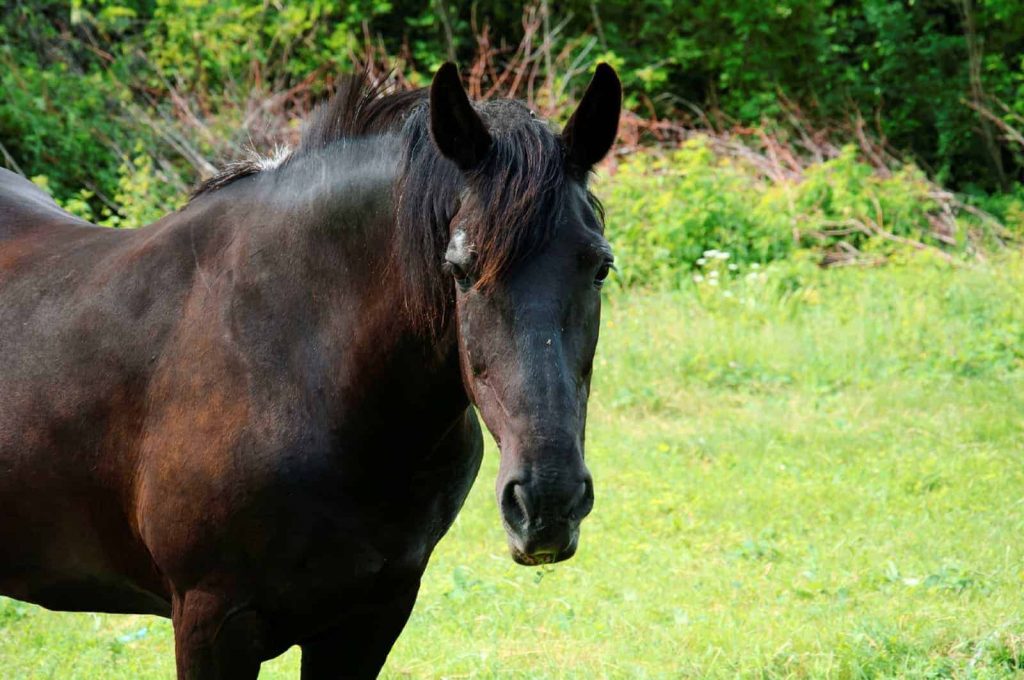
Dr. Aja Harvey explains why an old horse might suddenly become very itchy, and how owners can prevent it.

Veterinary intervention can make itchy horses more comfortable and keep allergies under control. Sponsored by Kinetic Vet.
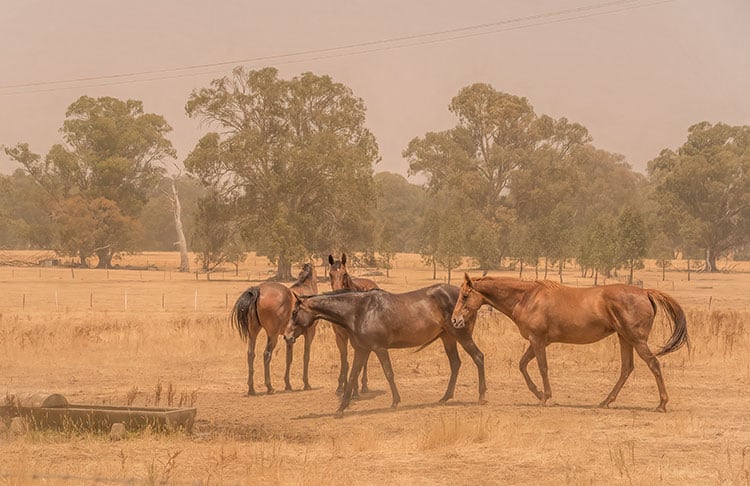
Smoky air makes breathing difficult and can exacerbate equine asthma. Learn how to support your horse’s respiratory health via nutrition and reduce airway irritants during fire season.

Since 2008 the University of California, Davis, School of Veterinary Medicine and Merck Animal Health have worked to cultivate a strong biosurveillance program.

Researchers have determined that testing bronchoalveolar lavage fluid might be the most accurate way to diagnose horses with equine asthma.