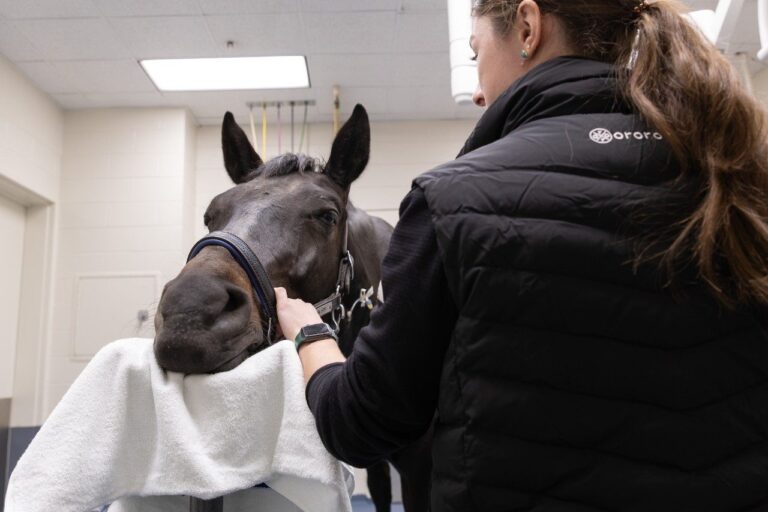
Short-Term, Specific Sweet Itch Antibody Treatment in the Works
Researchers in Germany are testing the therapeutic antibody, which might provide effective relief from IBH discomfort.

Researchers in Germany are testing the therapeutic antibody, which might provide effective relief from IBH discomfort.

The key to keeping your allergy-prone horse comfortable is figuring out the causes of his reactions and avoiding them. Learn more about allergic reactions in horses with this step-by-step visual guide.

Hives in horses presents as localized, raised bumps on the skin, and they can vary in number, severity, and frequency of occurrence. Here’s what you should know.

Insect-bite hypersensitivity can become a serious issue for horses that react to fly and midge bites.

Lumps, bumps, coughs, wheals, and wheezes: a basic overview of equine allergies.

Equine pastern dermatitis is a potentially painful condition that can spread between horses if not treated properly.

Boots and wraps might help prevent scratches, but only when used properly and with other management techniques.
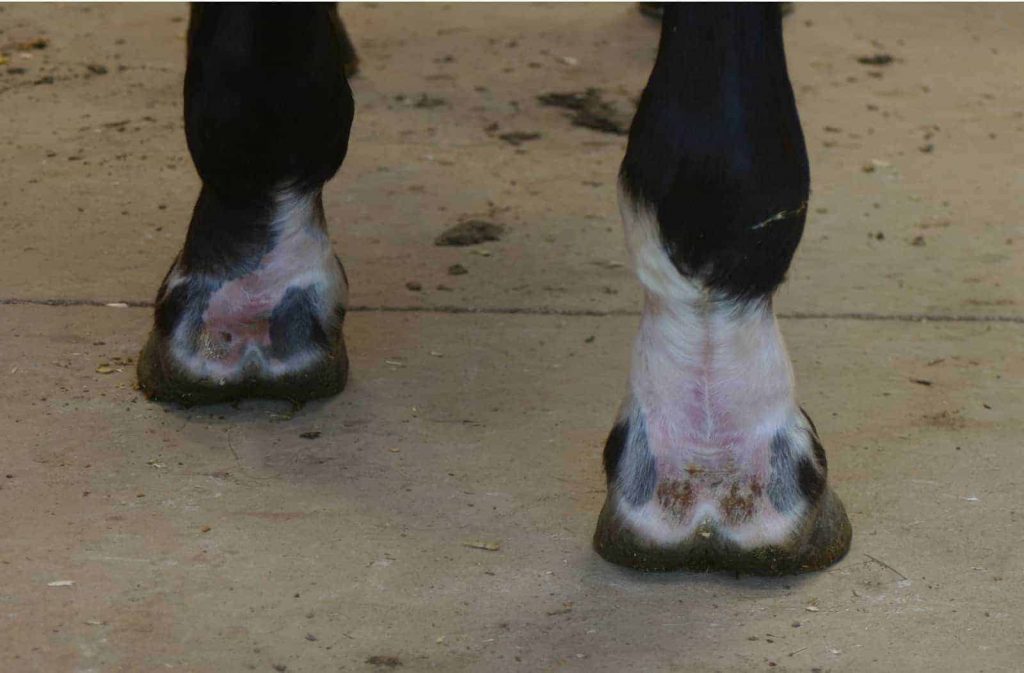
Look for educational information about scratches in horses on TheHorse.com.

My horse is turned out to pasture for at least part of each day. Every winter he gets scratches. Is there anything I can do nutritionally that might help prevent this?

Allergy tests can help veterinarians identify possible allergens for inclusion in a horse’s immunotherapy program.

Learn how to control this rapidly progressive infection within the horse’s subcutaneous skin layer.
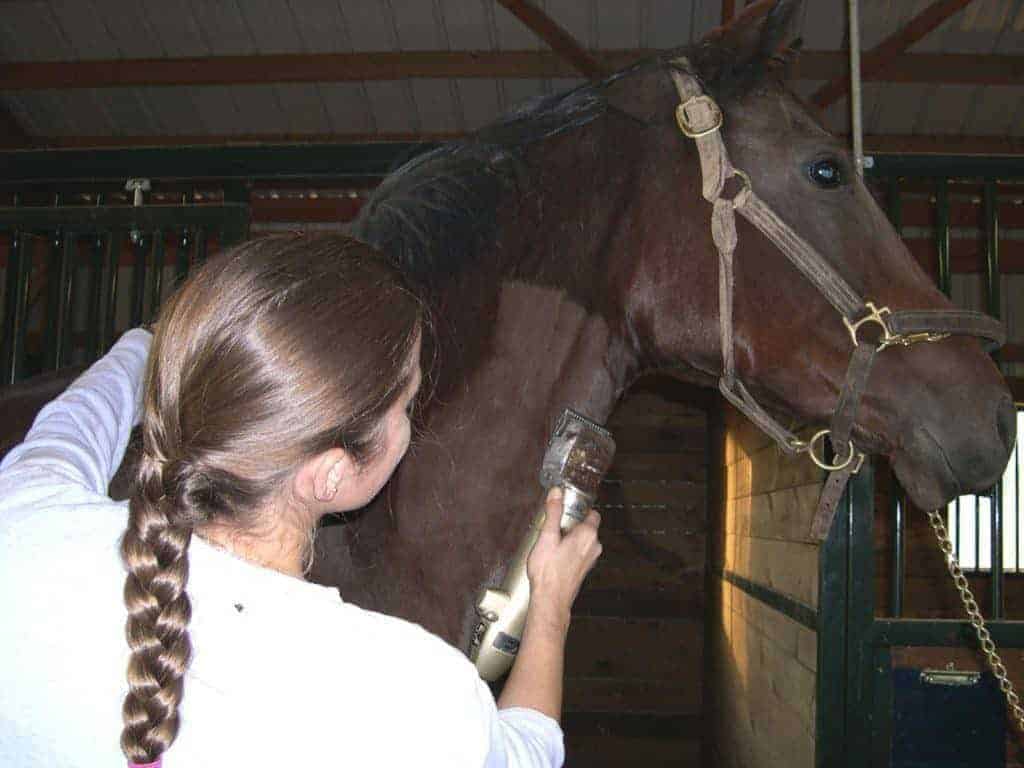
A veterinarian offers tips to keep horses with sensitive skin comfortable when clipped.

The guidelines can help veterinarians make a diagnosis, recognize clinical signs and risk factors, and provide treatment.

Stephen White, DVM, Dipl. ACVD, shares some lesser-known facts about equine dermatology.

Differentiating between ringworm and other skin conditions is important when determining treatment.

Lara Tomich, DVM, Dipl. ACVD, says reducing pine in the affected horse’s immediate environment is key to preventing allergies.