Sweet Itch: Itching for a Cure
There’s nothing appealing about this seasonal skin condition. Here’s what experts know about managing, treating, and preventing sweet itch in horses.

There’s nothing appealing about this seasonal skin condition. Here’s what experts know about managing, treating, and preventing sweet itch in horses.
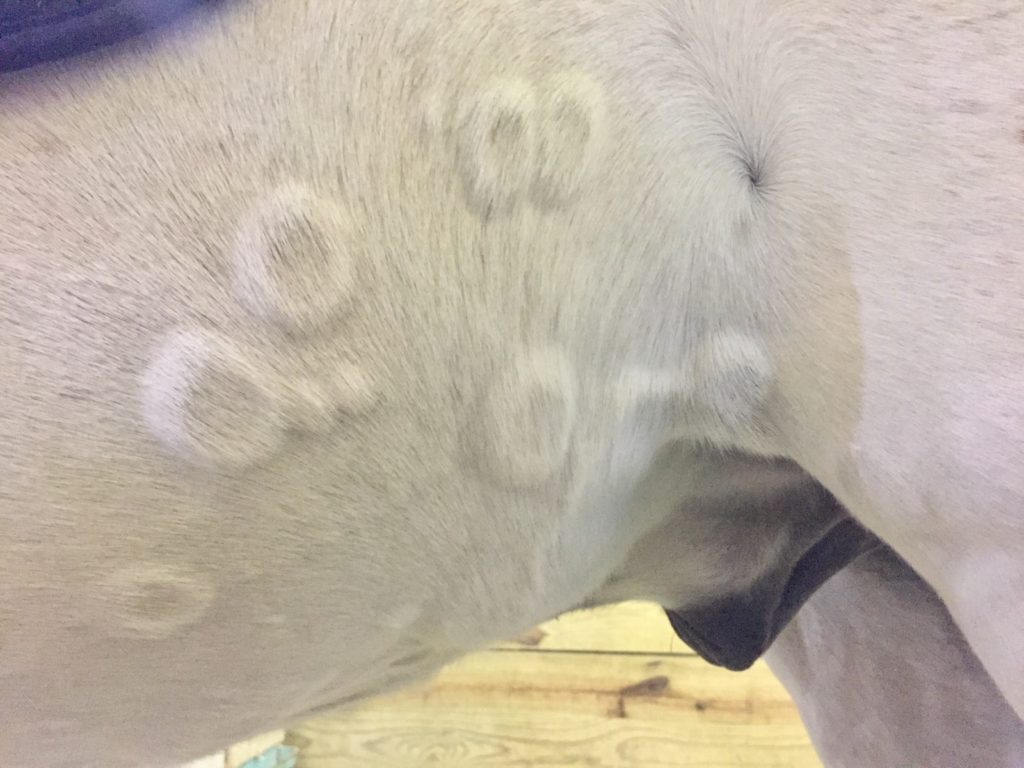
One expert explains why horses get hives and how they can be treated.

Do you have a horse with insect bite hypersensitivity, contact dermatitis, or respiratory allergies? Learn how to make him more comfortable. Sponsored by KineticVet.

Horse show environments can put sport horses at risk for developing skin problems. Learn what causes common skin issues and how to return horses to top form.

Look for educational information about equine skin infections all week on TheHorse.com.

Horses are very adaptable and typically can handle significant temperature changes; however, when we alter their natural condition, they might struggle.

Learn about the 4 stages of wound repair and the steps you can take to help your horse’s wounds heal.
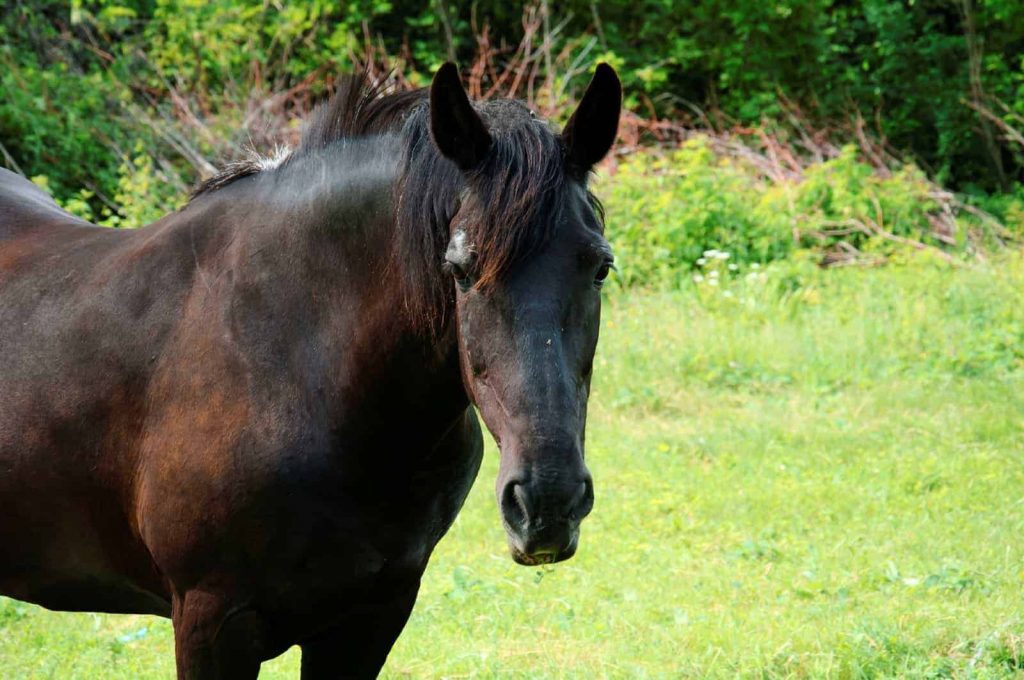
Dr. Aja Harvey explains why an old horse might suddenly become very itchy, and how owners can prevent it.

Miniature Horses with allergies can be challenging to manage and might have different dietary needs than their larger counterparts.
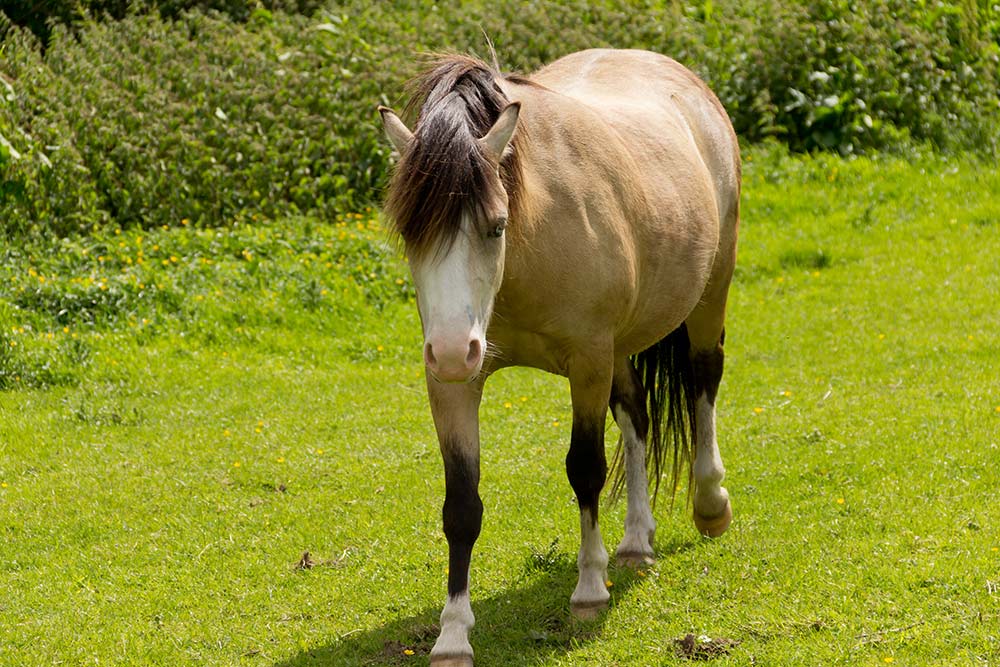
Dr. Susan White describes options for treating laminitis-prone EMS horses that also suffer from allergies.

Dr. Aja Harvey explains why a horse might rub his tail and what owners can do to stop it.

Veterinary intervention can make itchy horses more comfortable and keep allergies under control. Sponsored by Kinetic Vet.

In this episode learn about treating sweet itch, dealing with hair loss in itchy horses, and managing EMS and allergies, among other topics. Sponsored by KineticVet.

Scratches, also known as pastern dermatitis, is a multifactorial infection commonly seen on a horse’s lower legs. Get tips for recognizing and managing this condition in our visual guide.

This omega fatty acid supplement helped two horses with different pain points maintain healthy skin and hair coats.

Alleviating these unsightly skin lesions proves challenging in many cases. Sponsored by KineticVet.