Winter Horse and Barn Care
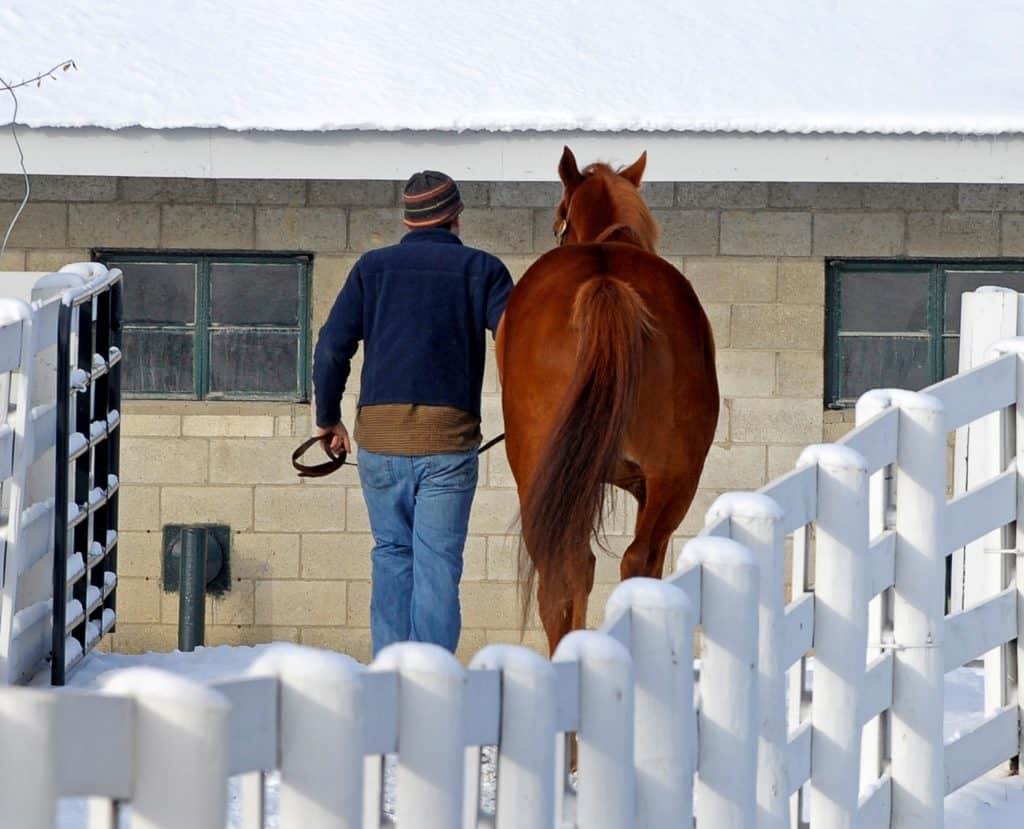
Cold weather presents special challenges when it comes to managing horses. Learn about keeping your horses healthy and barn safe during the winter months.

Cold weather presents special challenges when it comes to managing horses. Learn about keeping your horses healthy and barn safe during the winter months.
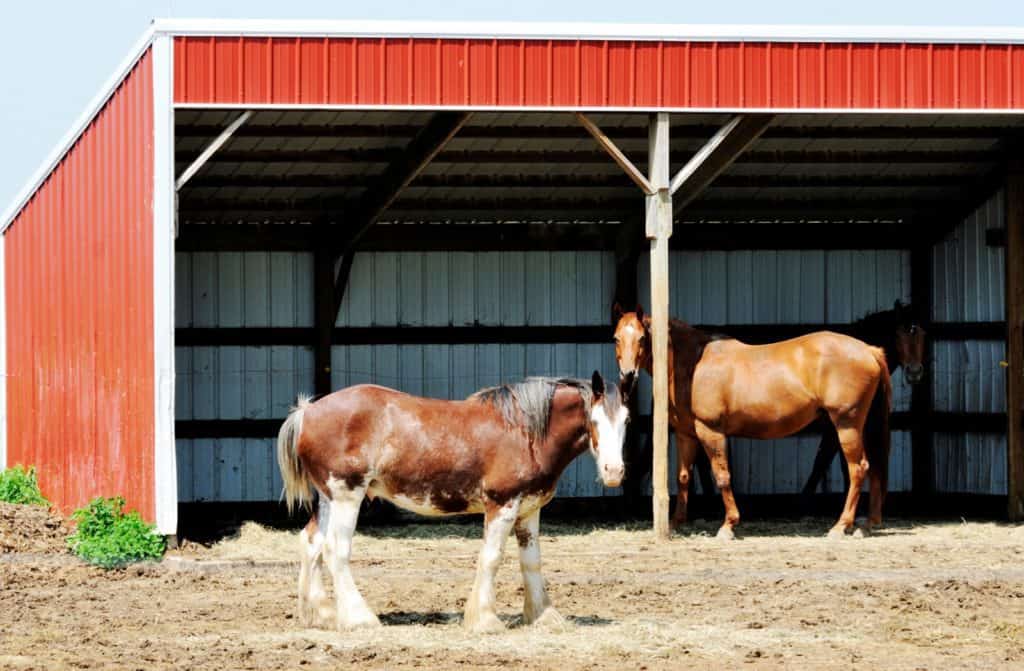
When given the option, horses often use behavioral thermoregulation to protect themselves from inclement weather.

Do you have a round pen on your horse property? Here are some things to consider when selecting a round pen.

By maintaining a clean facility, instituting several simple biosecurity precautions, and regularly disinfecting your barns and stalls, you will be better able to prevent and control disease on your farm.

Disease-harboring mosquitoes and flies top most horse owners’ list of bugs to beware of, but don’t forget these other horse and barn-harming pests.

What safety concerns do you look for when selecting a new stable for your horse?

Which were the most accessed videos, slideshows, reports, and podcasts in 2013? Here’s a list of the top 10.

Researchers sought to investigate horses’ preferences when it comes to standing in shade or in the sun.

Of the 1,013 voters, 581 (57%) indicated they use shavings or wood chips in their horses’ stalls.

Chronic stress could lead to an increased susceptibility to disease due to the activation of certain genes.
Sift through these bedding choices that will absorb moisture, control odor, and give your horses a soft place to sleep.

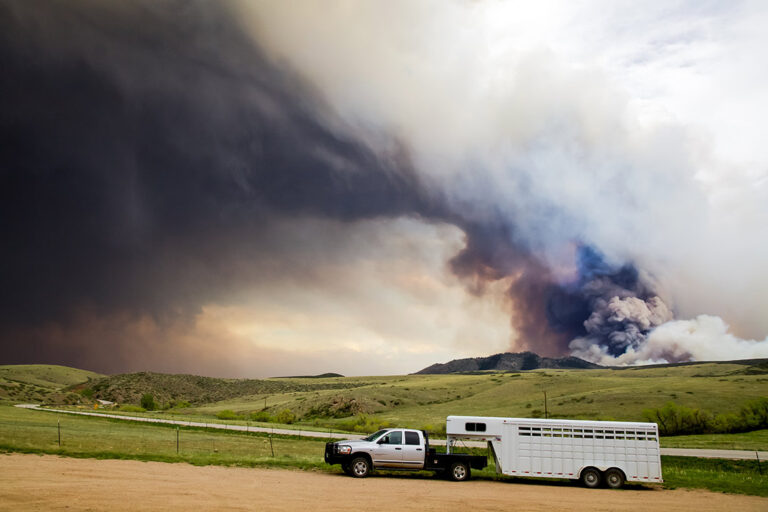
Here are a few points to help you identify wildfire risks for your horse property along with the appropriate actions to minimize those risks.

Outdoor wash racks are a wonderful way to hose off or bathe your horse while allowing water to recharge the natural system. Alayne shares some tips to keep in mind when setting up your outdoor wash area.
Barn fire prevention requires a strategy like no other. Use this checklist to protect both horses and humans in your facility.

Ergovaline levels over 200 ppb (parts per billion) in mature hay can cause fescue toxicity in pregnant mares.

Equine nutrition, hydration, exercise, blanketing, and respiratory health can be concerns as temperatures dip.