Effectiveness of On-Farm Biosecurity Measures Studied
The Australian equine influenza outbreak provided a unique opportunity to evaluate some biosecurity measures.

The Australian equine influenza outbreak provided a unique opportunity to evaluate some biosecurity measures.
State animal health officials quaratined three premises in early to mid-January after confirming EHV-1.
A two-week Equine Biosecurity e-Session will be available April 16 – 29 for $75 (plus HST) per person.
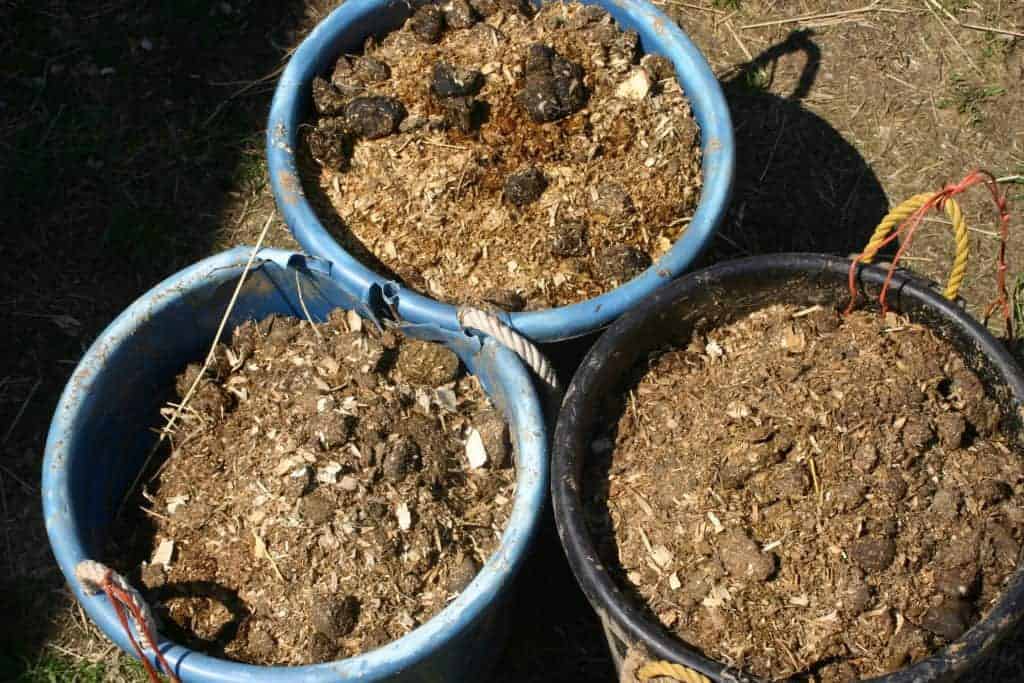
Turn your mismanaged manure pile into an asset with these new technologies.
It’s important that elected leaders understand and appreciate the United State’s $102 billion horse industry.
The new Orange County case brings the California total to 16 positive horses.
The CDFA does not believe the two situations are related and is investigating both outbreaks.
Necropsy results indicate that it is highly unlikely one horse’s recumbency was due to the EHV-1 infection.
The multistate outbreak in 2011 illustrated the need for infectious disease control in the equine community.
Two more cases of equine herpesvirus-1 (EHV-1) have been confirmed today, with the two horses displaying
An additional horse was confirmed EHV-1-positive and another was euthanized in connection with the outbreak.
The goal is to identify factors associated with the outbreak in order to prevent and control outbreaks.

Only one of the eight horses has displayed neurologic signs consistent with EHV-1 thus far.
All affected horses are quarantined on their home property and are receiving veterinary care.
It’s never too late to implement biosecurity protocol to help protect horses from potentially fatal diseases.
The horses are currently quarantined on their home premises and are receiving veterinary treatment.