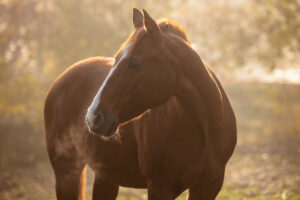
Feed Charts: Not Just for Pony Clubbers
Our nutritionist just helped Pony Club kids with their feeding charts. Here’s why she thinks you should review yours, too.

Our nutritionist just helped Pony Club kids with their feeding charts. Here’s why she thinks you should review yours, too.

While using goldfish to help clean water troughs is popular among horse owners, one researcher shows it’s ineffective.
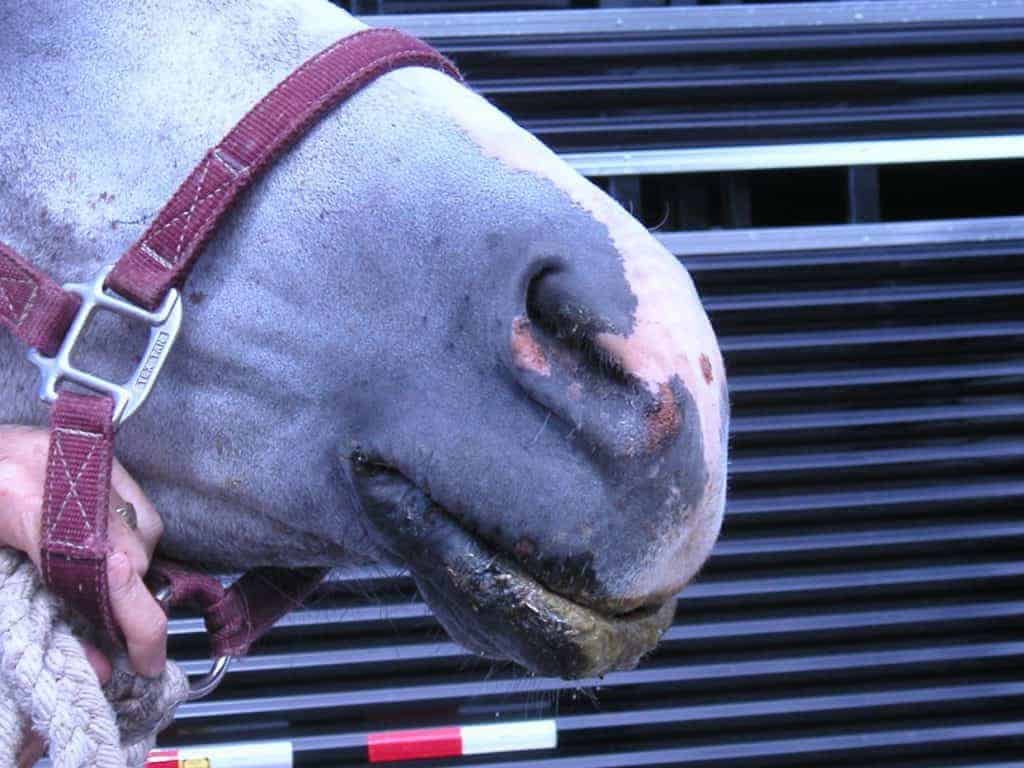
A veterinarian who examined the affected herd found no additional animals with clinical signs of VS.
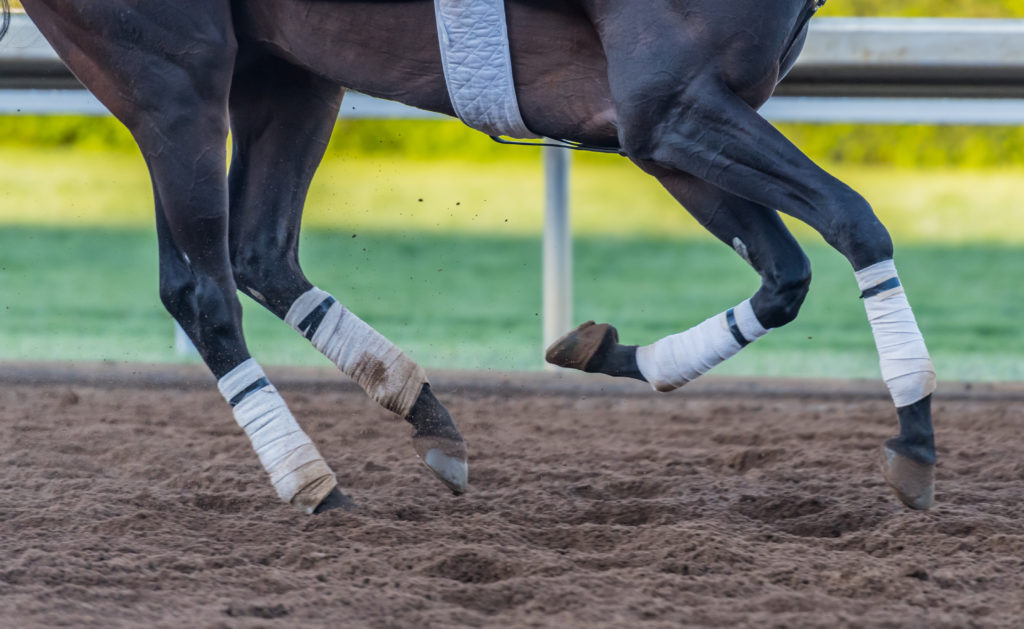
The choice of track surfaces during racehorse training could affect the chances of horses getting seriously injured on race day.

Here are some biosecurity practices you can put into place at the clinic and on the farm to prevent salmonellosis.

A University of Minnesota graduate student investigated types of bale wrap and their effects on alfalfa baling time, dry matter losses, nutrient values, moisture levels, cost, and bale value. Here’s what she found.
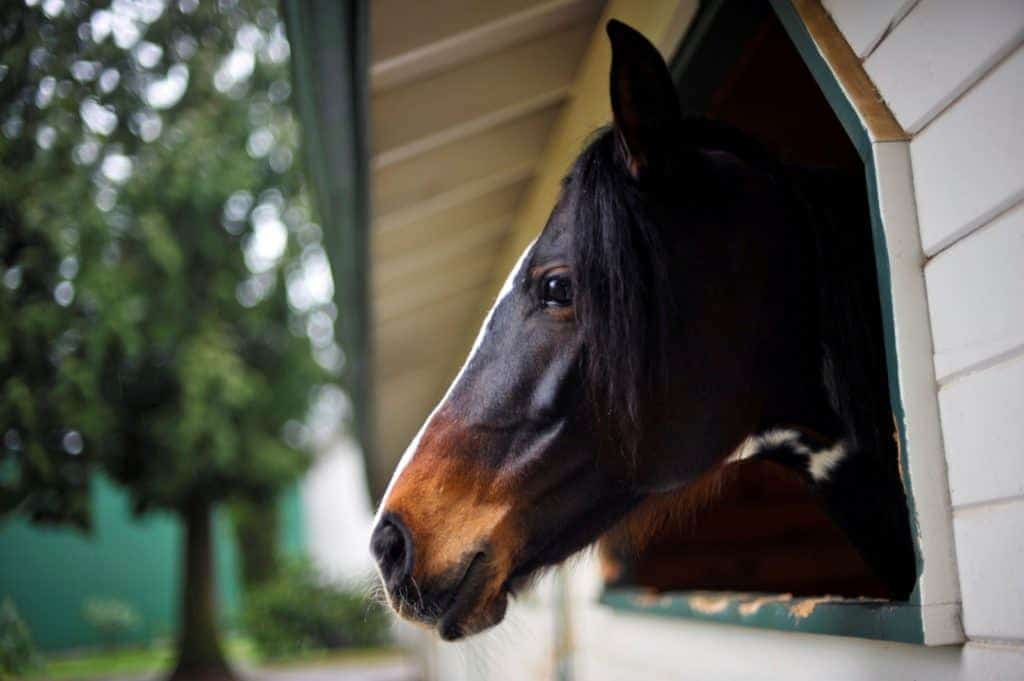
Researchers have discovered that breathing in various kinds of molds can cause a horse to develop IAD.

Can decreasing pasture size also decrease your horse’s weight even if turnout time doesn’t change? A researcher investigated and offers management tips based on her results.

Dr. Jeanette Mero shares the benefits of night turnout to help horses beat the heat.

Out-of-control critters can pass along pathogens, damage property and structures, and create unhygienic messes. Find out how to deter unwanted visitors such as birds, raccoons, skunks, and other rodents on your horse farm.

Dr. Erika Machtinger gives an overview of how stable flies are different than houseflies and offers strategies for a (nearly) fly-free barn.

Find out what characteristics might attract more flies than others in horses from Dr. Erika Machtinger.

Staff from the UK Horse Pasture Evaluation program recently observed ergot bodies in tall fescue pastures on several Central Kentucky horse farms. Here’s what to watch for.

Dr. Erika Machtinger offers help for owners looking for the right fly spray to protect their horses.

Buttercups in horse pastures can cause problems, but their acrid taste usually deters livestock from grazing. Here’s what to know.

These pests can transmit a variety of dangerous pathogens, depending on certain factors in your region.