Ammonia: Out of My Barn!
Ammonia buildup can affect a horse’s respiratory health and performance, but it is preventable with sound management practices. Download this free report to learn more.

Ammonia buildup can affect a horse’s respiratory health and performance, but it is preventable with sound management practices. Download this free report to learn more.
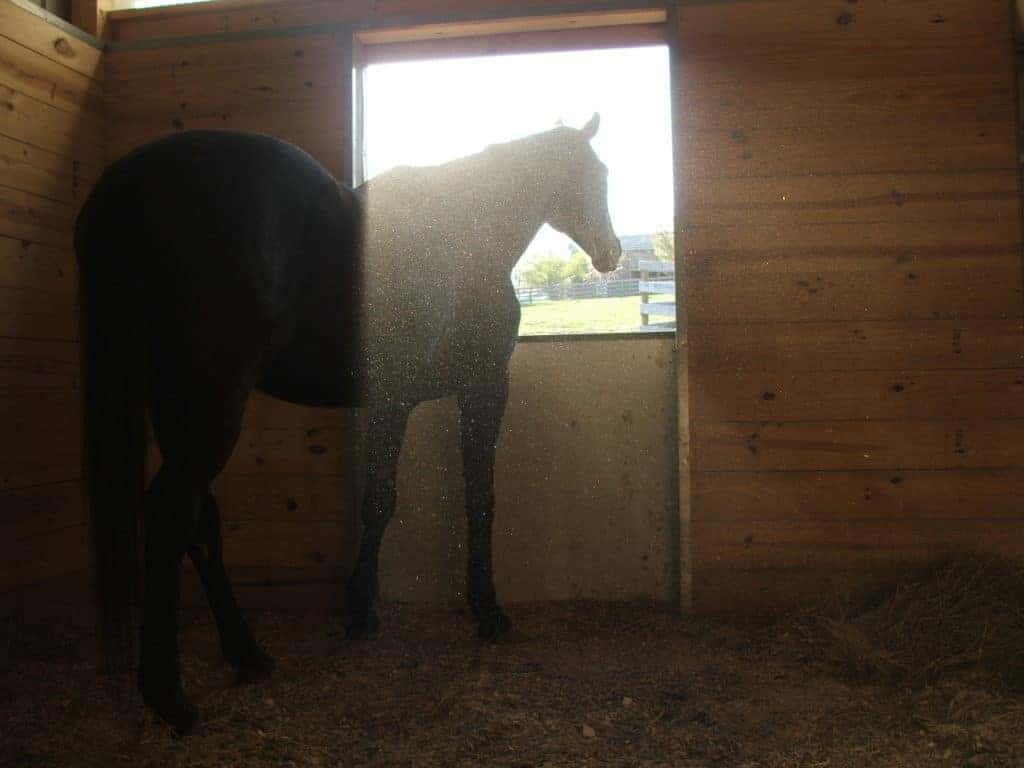
Study results revealed that box stalls have much higher concentrations of potentially disease-causing pathogens in the air compared to run-in sheds.
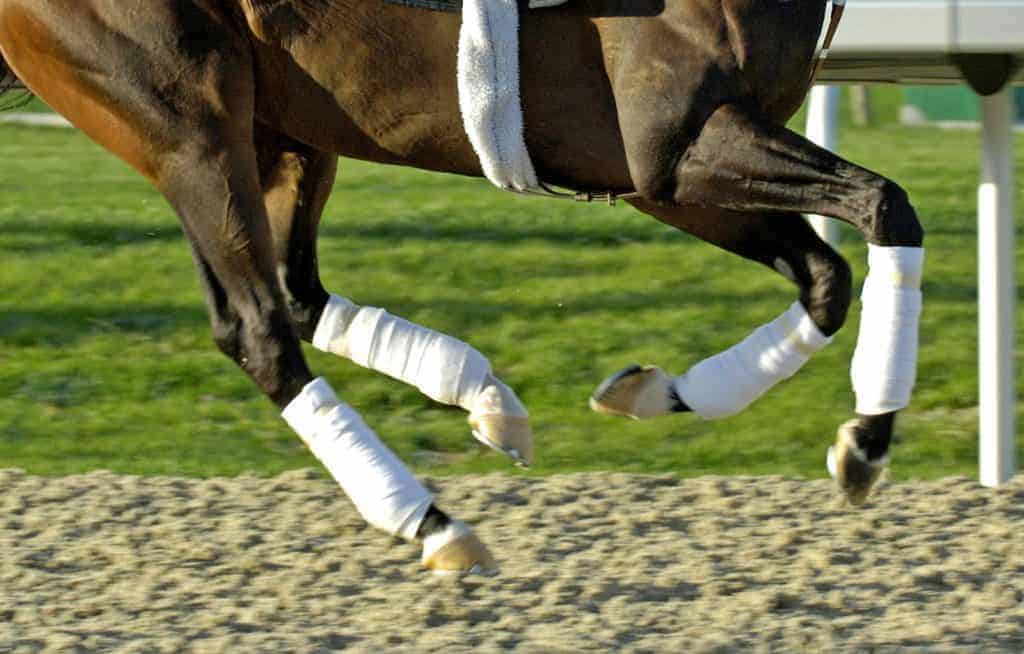
Drs. Mick Peterson and Wayne McIlwraith weigh in on what we’ve learned about racing surface safety, issues currently at hand, and what the future could bring.

Veterinarians often prescribe medications to control acute and chronic clinical signs of disease, along with recommending environmental changes to limit asthmatic horses’ exposure to inhaled allergens. What do owners think of these sometimes time-consuming and expensive suggestions?

Find out how you can set up a farm-friendly recycling system, as well as reuse common materials around the barn.

Here’s a brief look at “green” horse keeping techniques you can implement on your farm this summer.

How you represent a horse for sale to potential buyers is serious business. What you say could inadvertently create liability for you, so choose your words carefully.
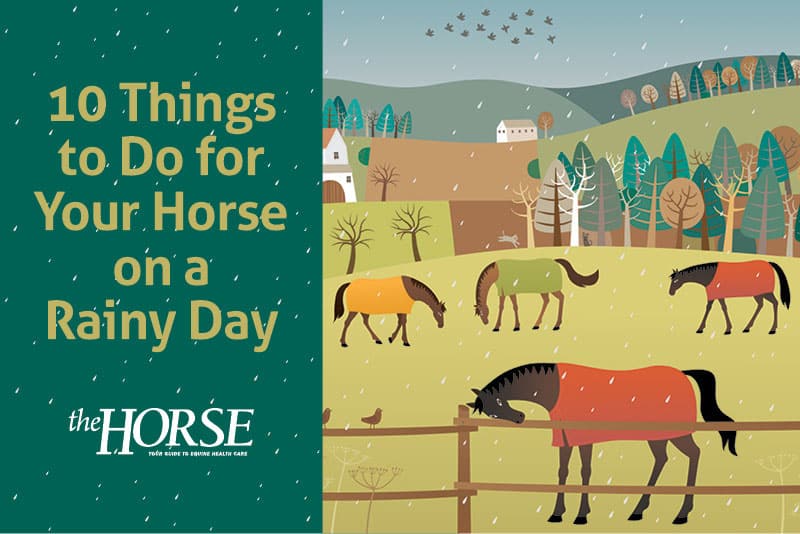
Don’t let dreary weather keep you away from the barn! Here are 10 things you can do for your horse on a rainy day.
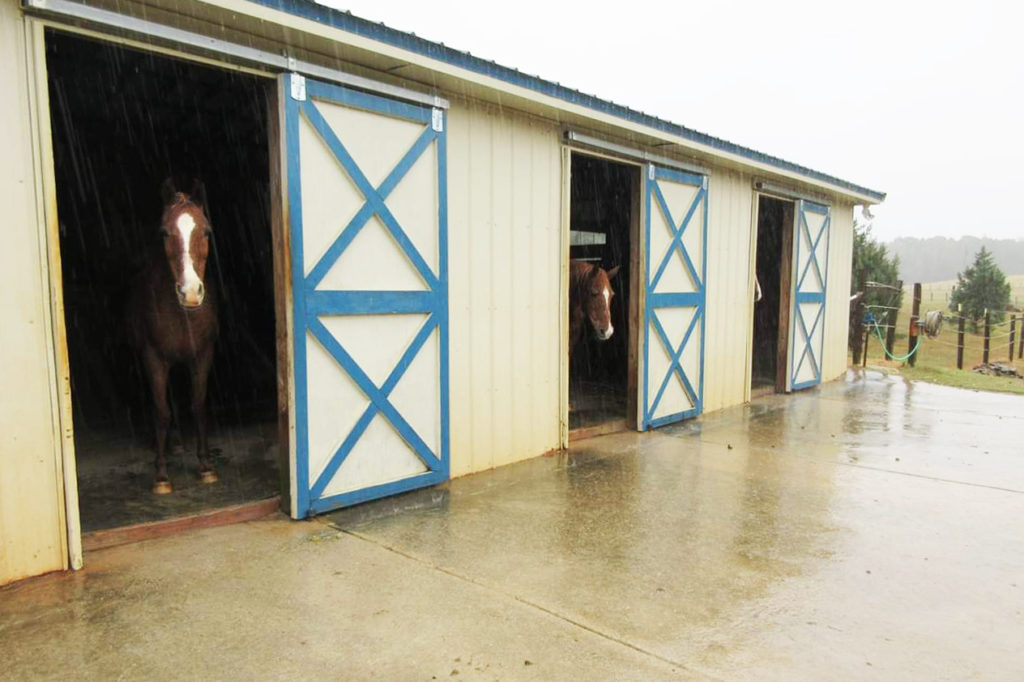
Identifying risks and reducing and mitigating a disaster’s effects start with a well-written, all-hazards plan for sheltering in place and/or evacuating. Here are some keys to remember.

Tack and other horse supplies aren’t cheap, but there are ways to protect your investments. Insurance agents familiar with the horse industry share their tips.

Find out which flowers, shrubs, and trees you should avoid when sprucing up your barn this spring.

Does your horse’s drinking water have high iron levels? If so, he might be at risk for chronic illness or even death, researchers found.
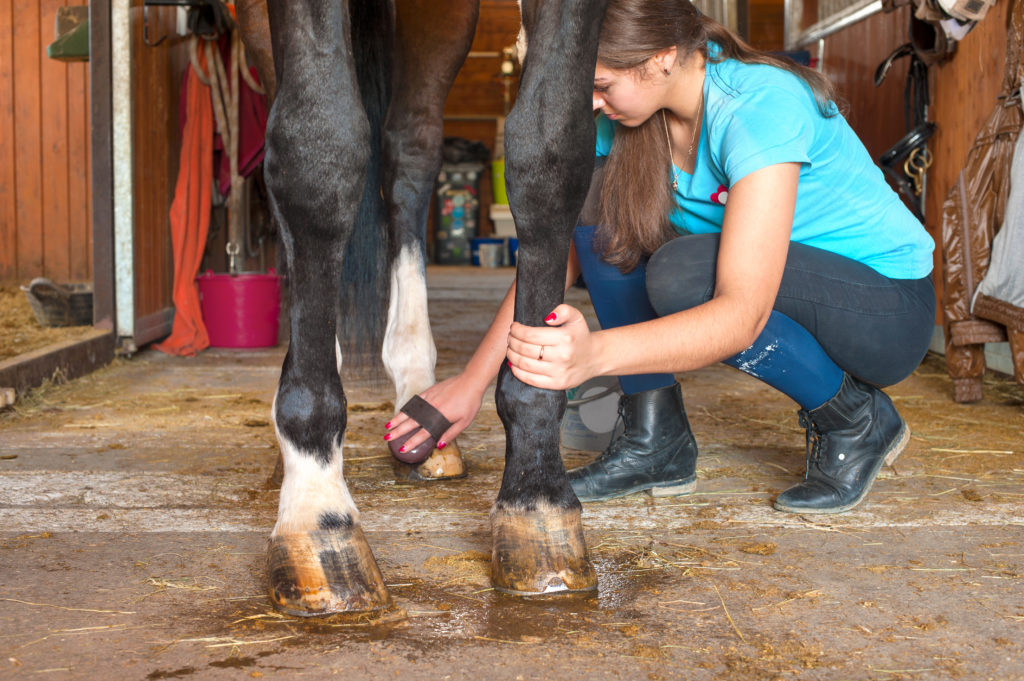
Boarding your horse at a communal barn can be both fun and stressful. Here are some tips on how to make the most of boarding from one owner with decades of experience.

Stay safe when you’re on the road with your horse with these tips for trailering and working around a rig.
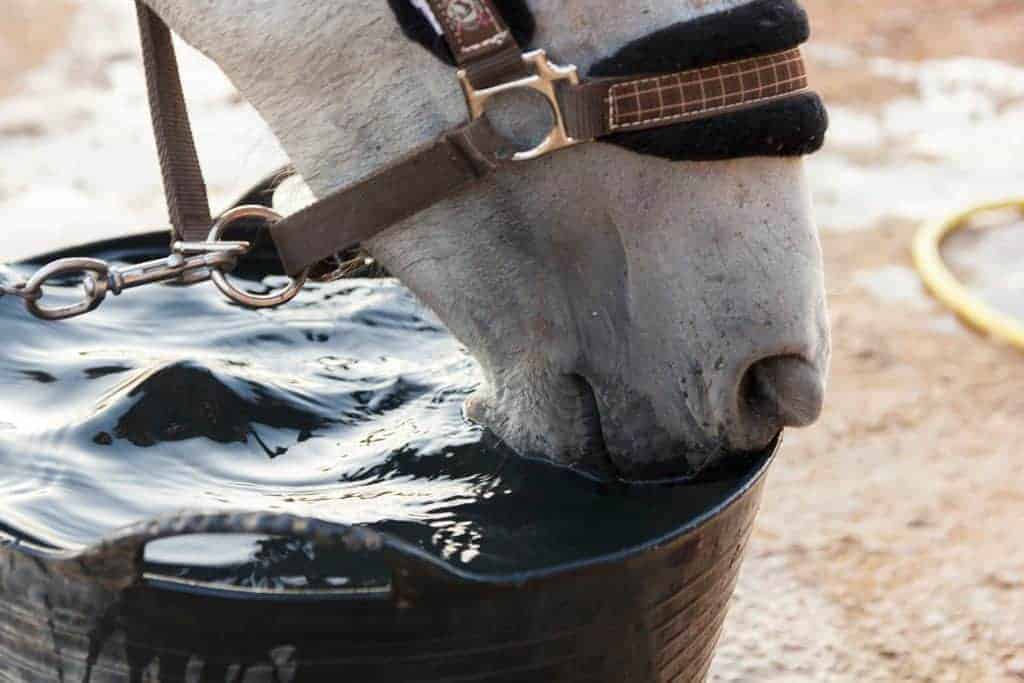
If a water utility issues a boil-water notice for humans, are horses at risk for disease if they drink unboiled water? Dr. Peter Timoney shares his thoughts.
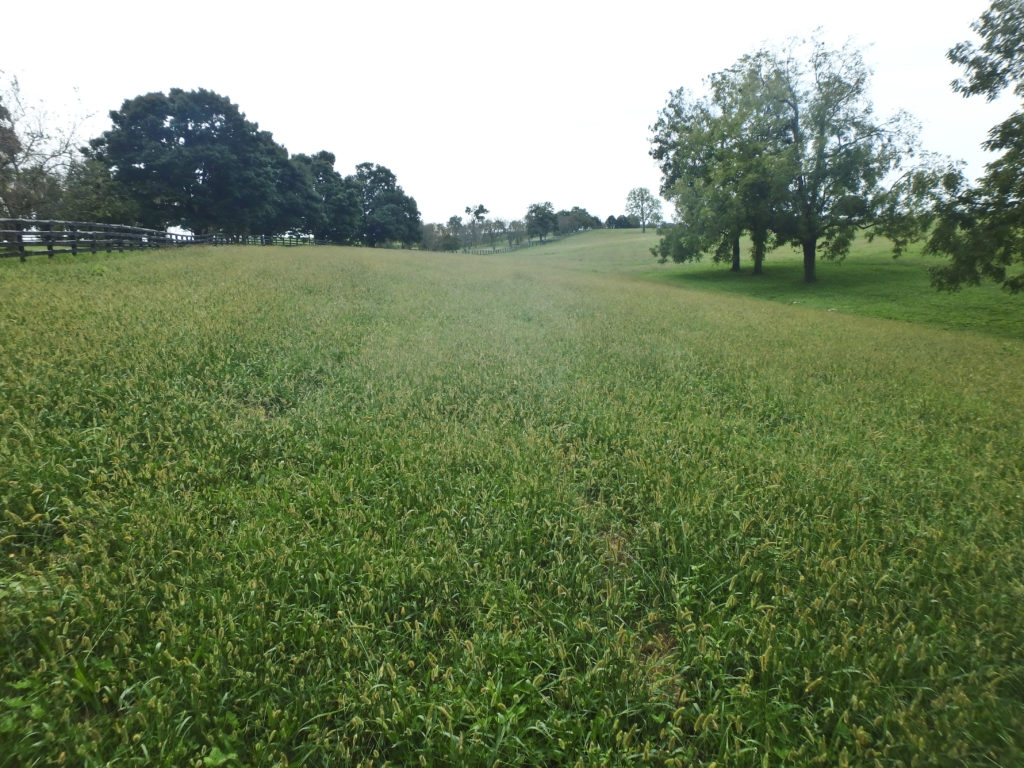
Broadleaf plants, such as dandelions and ragweed, aren’t the only weeds that can infiltrate pastures. Here’s how to control grassy weeds that can be prominent in summer pastures, including crabgrass, yellow foxtail, and nimblewill.