Disaster Preparedness for Horse Farms
From wildfires to floods, proactive disaster planning can help horse owners protect horses, staff, and farms before emergencies strike.

From wildfires to floods, proactive disaster planning can help horse owners protect horses, staff, and farms before emergencies strike.

Learn how to store hay and grain properly—keeping nutrients in and mold, rodents, and spoilage out.
If you spend any time with horses, eventually you will run into some type of emergency, and it’s best to be prepared.
Insecticides and repellents can’t do all the work of controlling insects. Instead follow these simple guidelines to protect your horse from flies and other pests.

Read about 9 physical and behavioral reasons your horse might be kicking up his heels.

Varying the surfaces on which you exercise your horse can help produce a strong, well-rounded equine athlete.

Barn air quality can shape a horse’s respiratory health. Good ventilation and thoughtful management help reduce airborne irritants and protect the lungs.
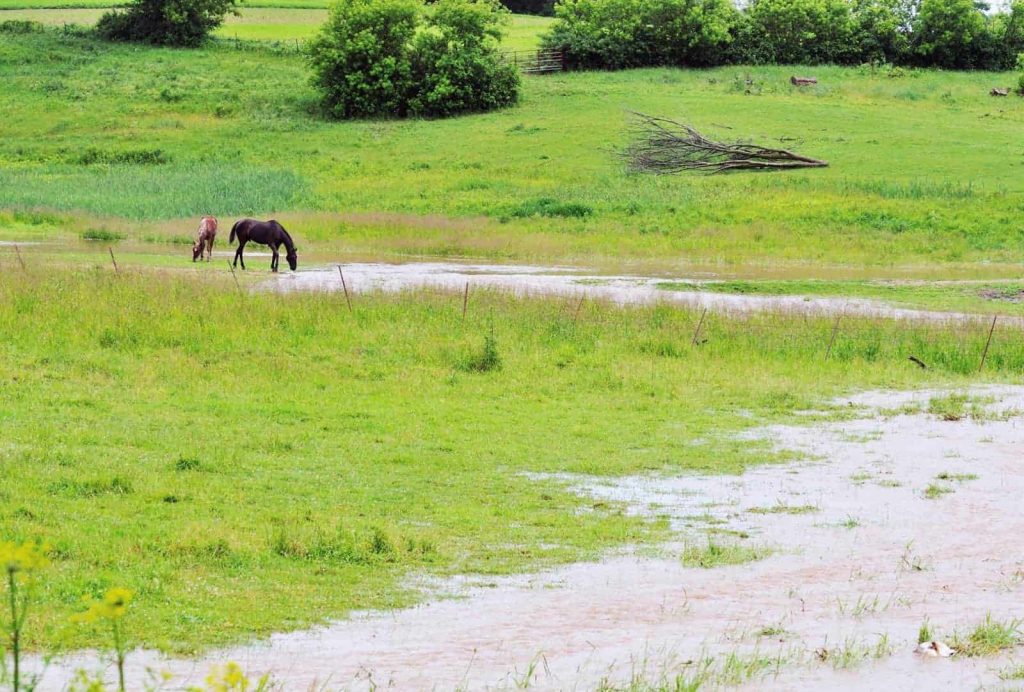
These practical strategies can help property owners manage runoff, reduce mud, and avoid common horse health issues in wet, flood-prone conditions.

Moisture meters can help you determine when to bale and store your horses’ hay and can protect against barn or storage building fires.

Discover why this common pasture grass is good for grazing but bad for broodmares.
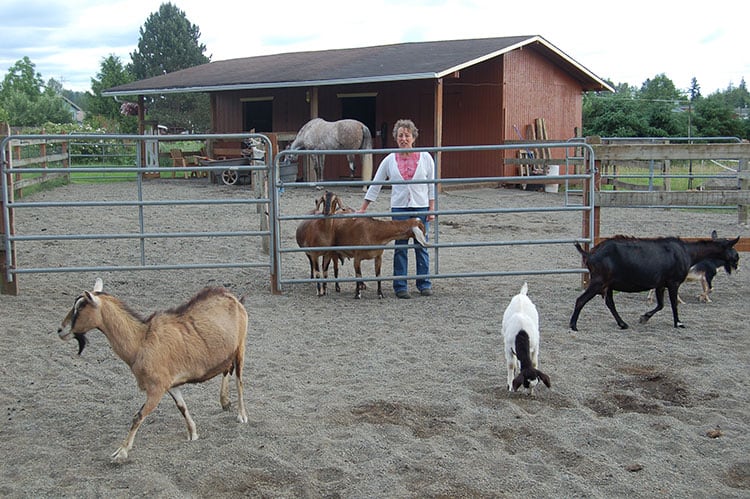
Are your horses bored during the winter and early spring months? One farm owner offers ideas to keep them entertained.

Read the pros, cons, and surprising facts about slow feeders, including haynets, haybags, and hayboxes.

Standardized, multilevel surface testing is helping racetracks improve consistency, fairness, and ultimately horse and rider safety.

Use these tips to make smart mealtime decisions when feeding many types of horses.

Learn why your horse might benefit from a slow hay feeder and how to choose the right one.

Use winter downtime to declutter your horse barn and promote chore efficiency.