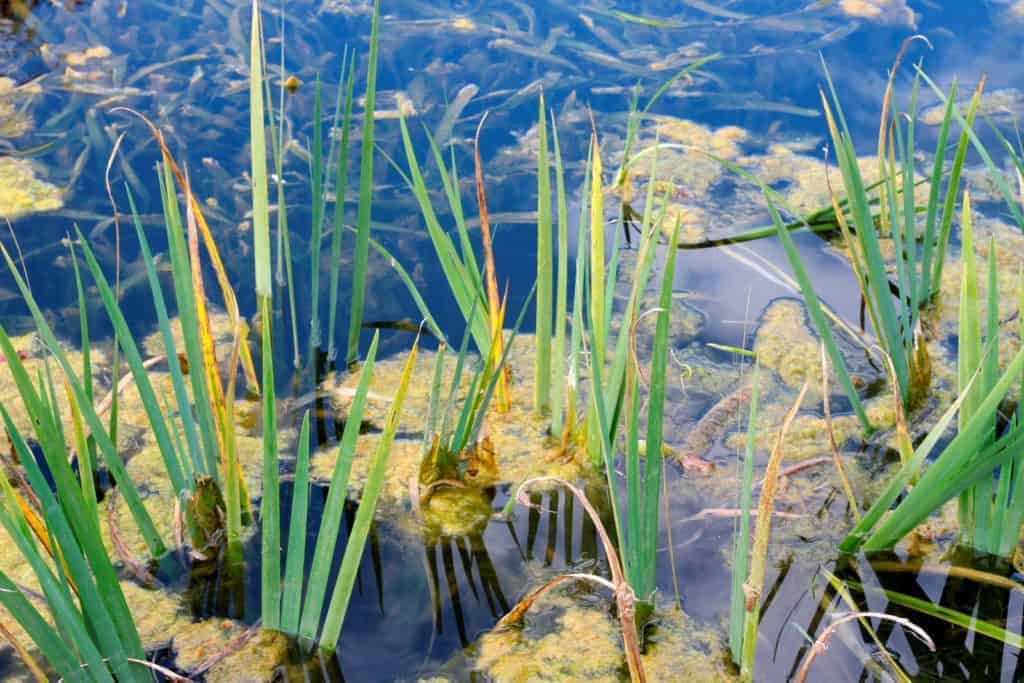
Blue-Green Algae Poisoning in Horses
Many animals that ingest blue-green algae toxins die suddenly, but some can recover.

Many animals that ingest blue-green algae toxins die suddenly, but some can recover.
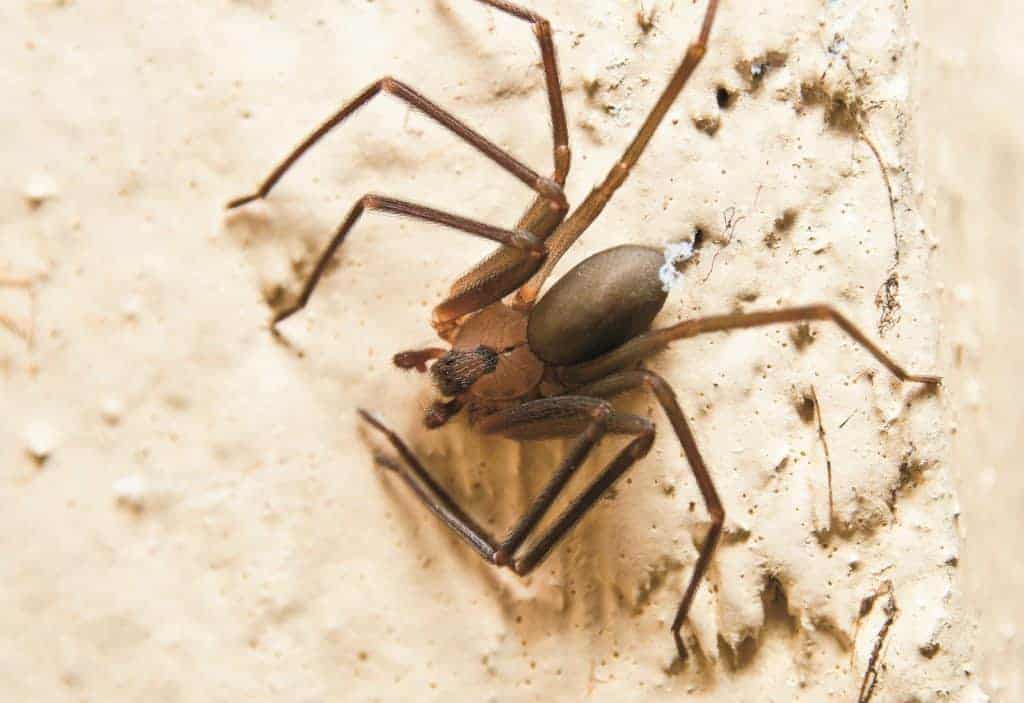
Here’s how to handle snake or spider bites should your horse have a run-in with one of these critters.
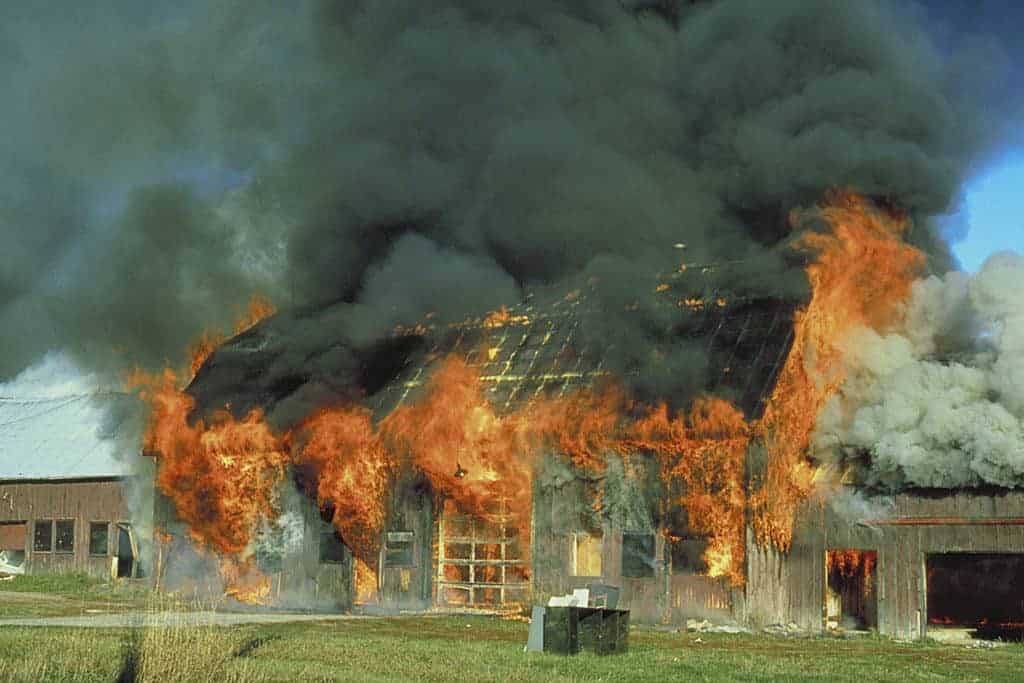
The most reliable approach to fire safety is to plan for the worst by having solid procedures in place for fire prevention and adhere to them daily.

Dr. Cynthia Gaskill of the University of Kentucky’s Veterinary Diagnostic Lab shares important things mare owners need to know about fescue toxicosis.

Whether you’re heading south for a winter show circuit or relocating permanently, preparation is key.

By maintaining a clean facility, instituting several simple biosecurity precautions, and regularly disinfecting your barns and stalls, you will be better able to prevent and control disease on your farm.
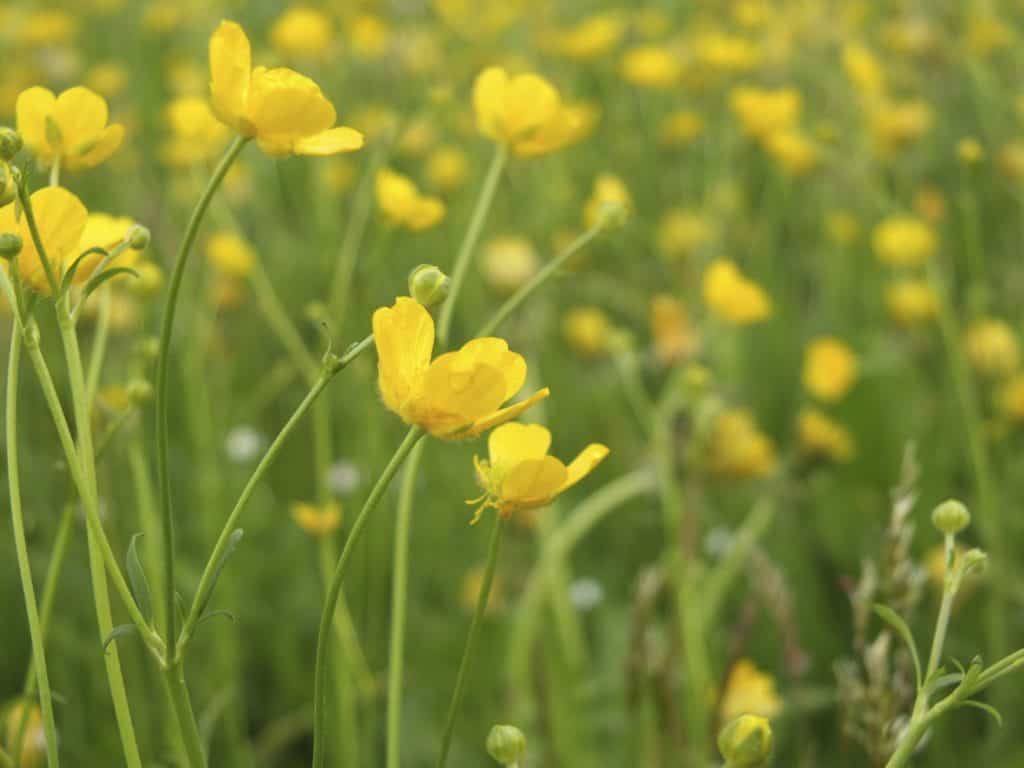
Buttercups can be poisonous to horses, but the plants are not palatable and animals usually do not eat them.

Now is the optimal time for Kentucky forage producers to cut hay to ensure they get good quality and yield.

Knowing the production potential and limitations of the soil under your farm is key to reducing feeding costs when managing horses and being a good land steward.

Tips on keeping your horse trailer ready to roll with Peter Matheson of Performance Trailer Service.

Finding the right saddle for your horse is a mix of high-tech and hands-on approaches.

Disease-harboring mosquitoes and flies top most horse owners’ list of bugs to beware of, but don’t forget these other horse and barn-harming pests.

Chicory is not as common as many weeds in horse pastures but occurs in more abundance in unmowed pastures.

Property managers often test their pastures to evaluate the risk of fescue toxicity; however, how you test can produce drastically different results. Here are some things to remember when testing horse pastures for infected tall fescue.
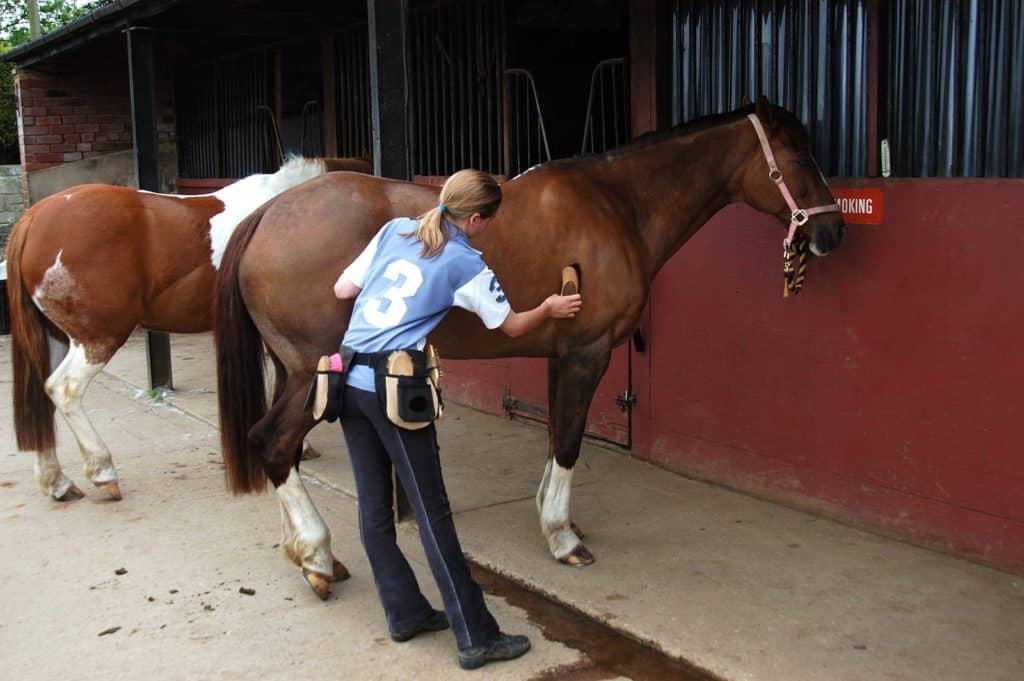
Halters are used for leading, tying, and handling horses when you’re not riding. Learn the basic options you have for outfitting your horse in a halter.
Many states, including Oregon, require that horse facilities have posted signs outlining the state’s equine activity statute. Photo: Michelle Anderson In the equine context, warning