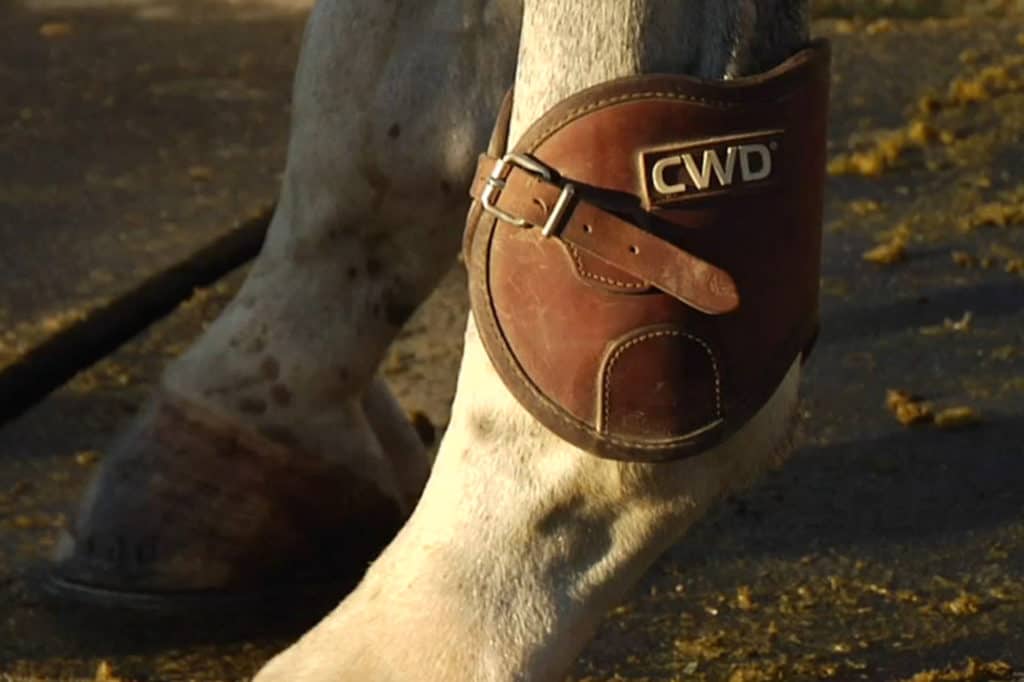
How to Choose Hind Leg Protection for Your Horse
Get tips on choosing hind leg protection for your horse from Nicole Carroll of Walnut Creek, California.

Get tips on choosing hind leg protection for your horse from Nicole Carroll of Walnut Creek, California.

Use these drawings and step-by-step instructions to build a simple manure composting bin.
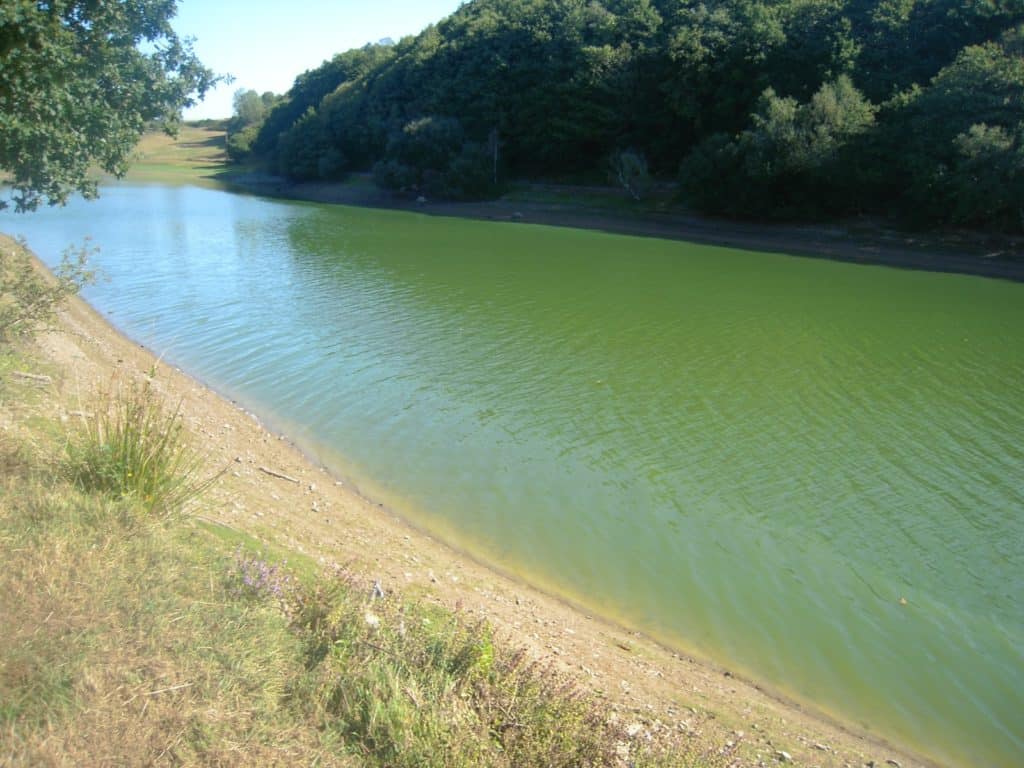
Animals that consume water with some types of algal blooms can die suddenly or suffer from weakness, staggering, or photosensitization depending on the type of toxin and how much they ingested.

Wild parsnip foliage can cause skin photosensitivity and rashes in both humans and horses.
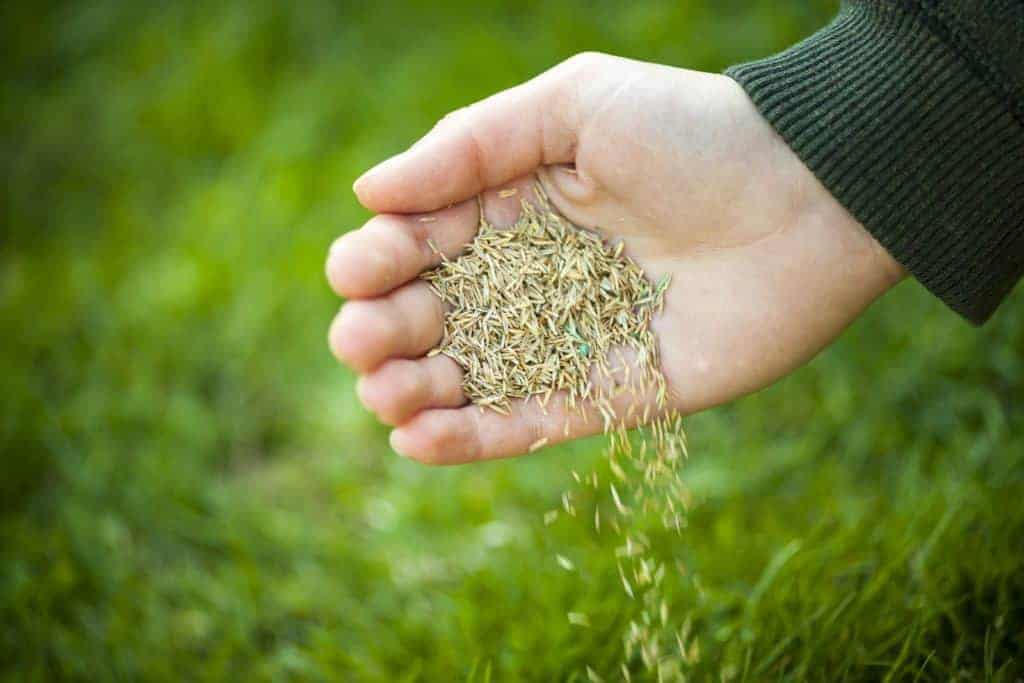
Overseeding horse pastures can help improve pasture production, forage quality, and ground cover. Here’s what to know.

No one wants to encounter an emergency when hauling horses. However, we all know problems can arise. This trailer-safety checklist will ensure you’re prepared to deal with emergencies if they do come up when you’re hauling horses.
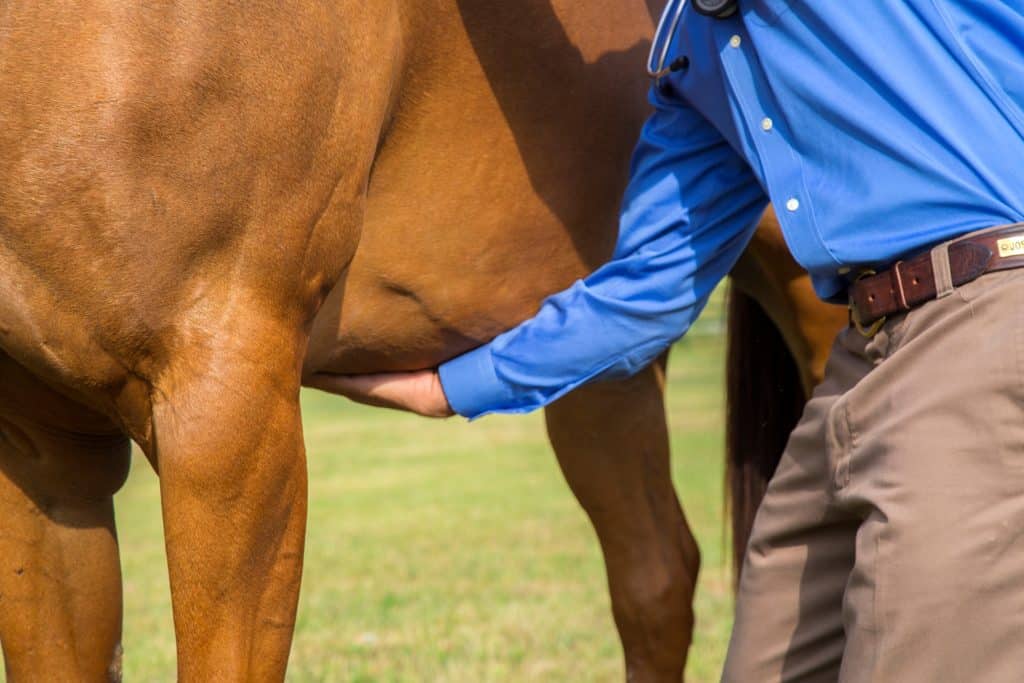
Horses don’t pass or fail prepurchase exams. Instead, the exam is intended to give you a snapshot of the horse’s overall health and provide information so you can make a sound buying decision about whether the horse is suitable for your needs.

Do you have a round pen on your horse property? Here are some things to consider when selecting a round pen.

While at a conference I learned about a quick way to see if your saddle fits your horse, and I put it to the test.

Horses and other animals rarely consume nimblewill, so the plant often persists in pastures.
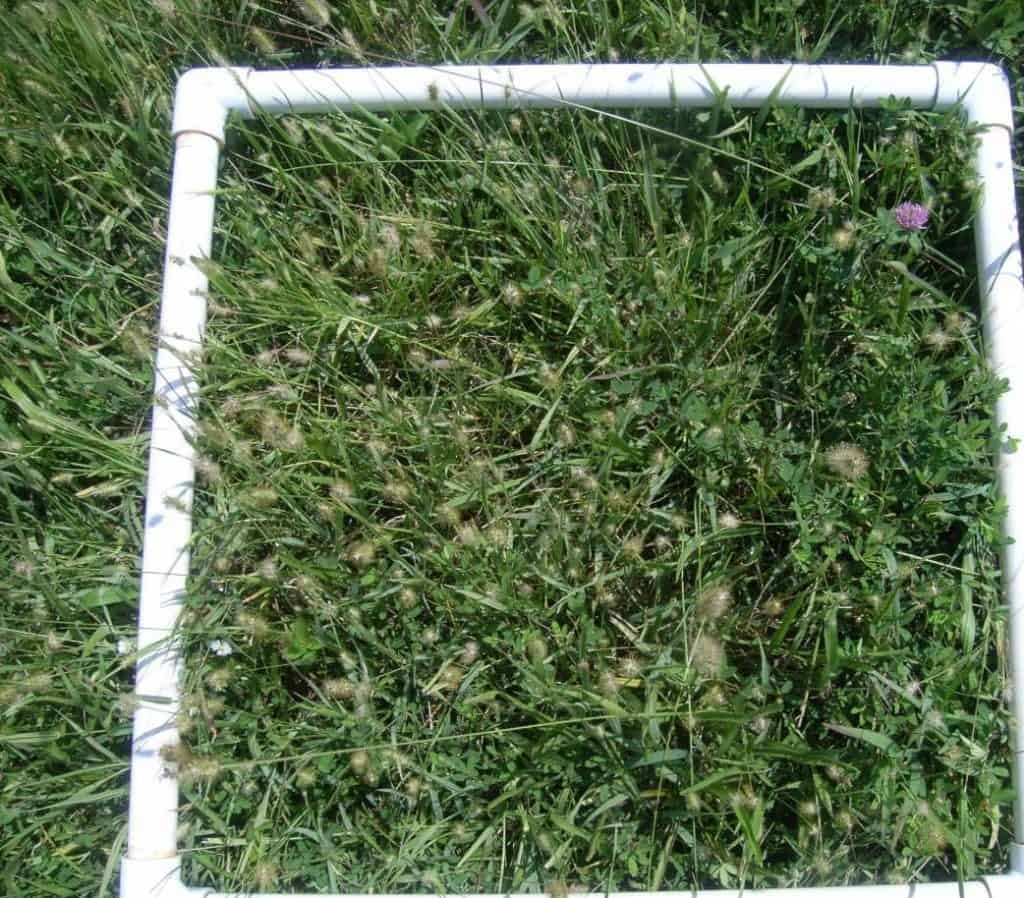
What types of grass are growing in your horse’s pasture during the summer? Here’s a look at which ones are desirable and which ones aren’t.

The toxins that cause this potentially fatal neurologic disease could be lurking in your horse’s environment or hay. Learn how to recognize and prevent botulism with this visual guide.

Remember these important steps if you’re faced with an infectious disease outbreak, regardless of what condition is at the center of the issue.
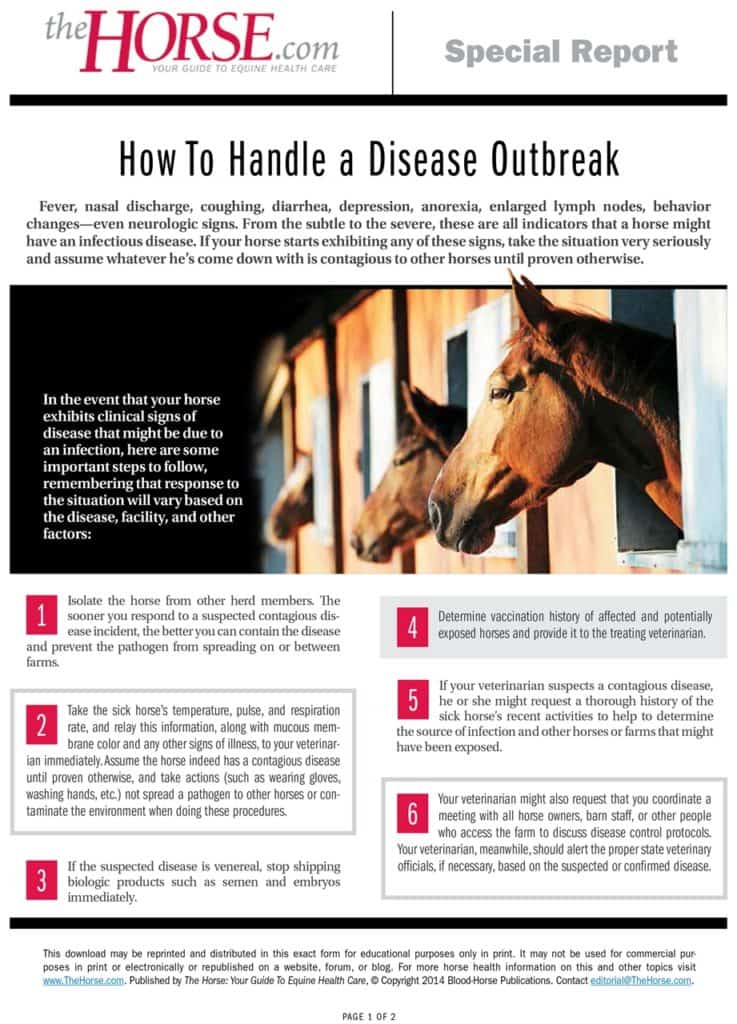
If your horse starts exhibiting signs of infectious disease, assume whatever he’s come down with is contagious to other horses until proven otherwise, and follow these important steps to halt disease spread.

Common ragweed is distributed widely across the United States and occurs in pastures and cultivated crops. Infestations in pastures are usually more of a problem during periods of drought or when overgrazing occurs.
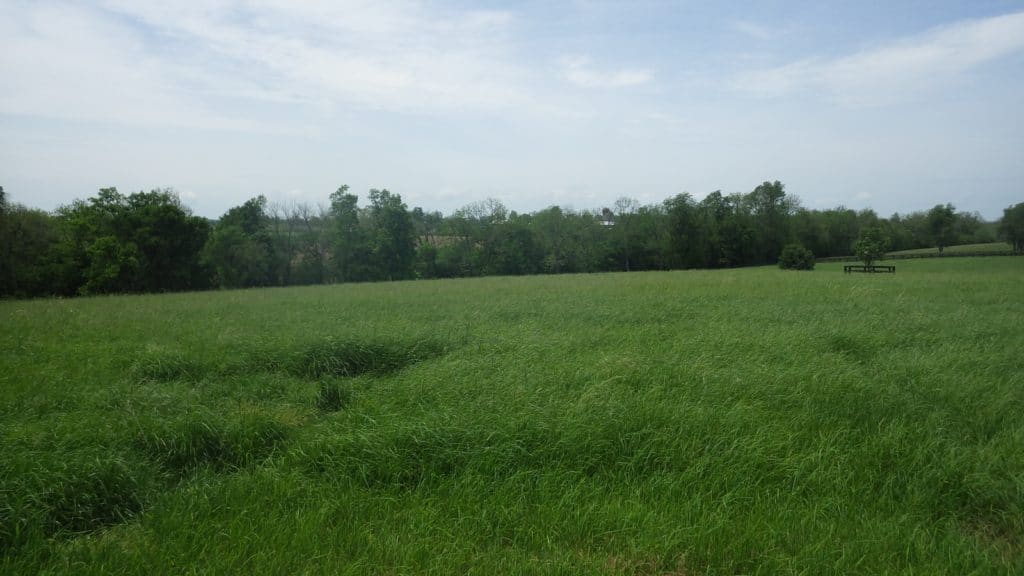
When the majority of a field becomes unsuitable, it might be time to start over. Here’s what to consider before you begin and how to re-establish your pastures.