California Horse Confirmed EHV-1 Positive
A new case of neurologic EHV-1 was confirmed in California on September 12.

A new case of neurologic EHV-1 was confirmed in California on September 12.
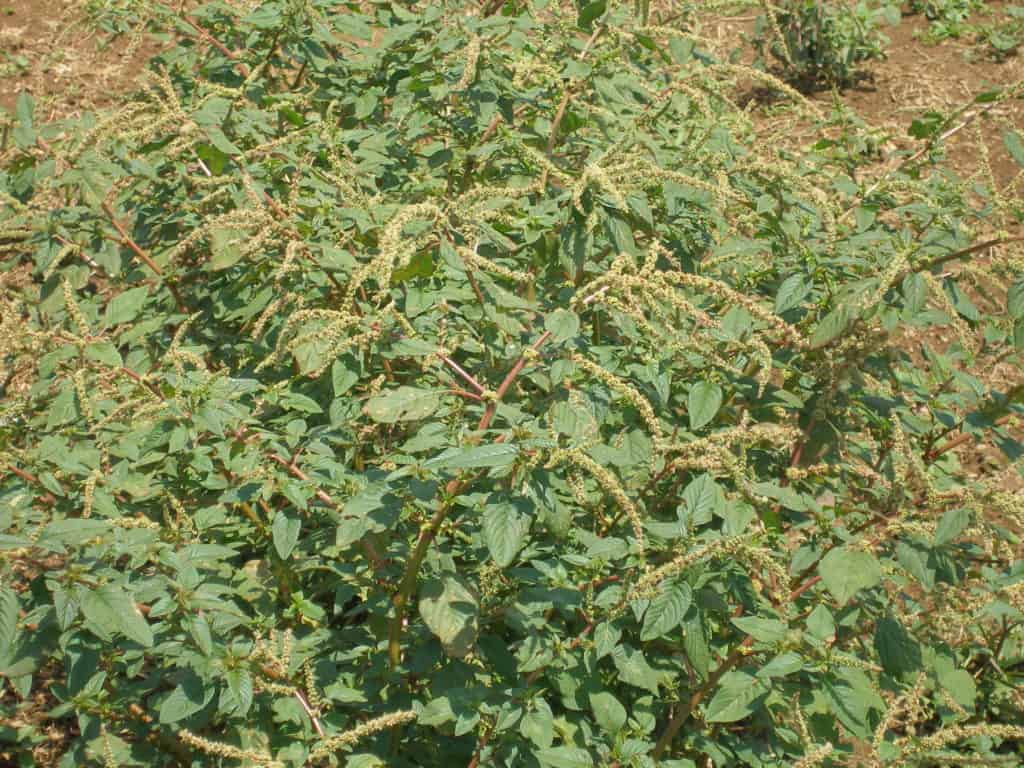
Spiny pigweed control is accomplished easily by applying herbicides to plants shorter than 12 inches tall.
A Dutch girl recovered after having supposedly acquired an antibiotic-resistant staph infection from her foal.

Here are the steps to take when introducing a new horse to your farm, and to reduce disease spread within your herd.

When a horse is sick, good biosecurity could mean the difference between an isolated infection and an epidemic
The recording of our Ask the Vet LIVE Q&A event on Avoiding Respiratory Problems in the Barn is now online!

Tips for horse owners caught in the lines of wildfires when evacuation is not an option.
The MSU Extension grazing school will take place Sept. 12-13 in Lake City, Mich.

Choosing the right mats and/or bedding for your barn will help keep horses comfortable and stalls clean.

A number of air quality factors in barns can make it harder for your horse to breathe, compromising his health and performance.

Two additional California horses tested positive for neurologic equine herpesvirus-1 (EHV-1) on Aug. 24.
A tenth horse in New South Wales has tested positive for hendra virus, bringing the national total to 21.
Especially in the summer months, odor smells in gravel or sand paddocks can get pretty intense–a real concern if you have neighbors close by. Plus,

Forty horses from one Clarksville, Ark., farm have died or been euthanized after testing positive for EIA.

Mapping airborne particles in horse barns could help minimize the risk and/or prevalence of airway disease.
Tune in on September 1 for an Ask the Vet LIVE online Q&A about Avoiding Respiratory Problems in the Barn.