EHV-1 Quarantine Lifted at University of Tennessee
The EHV-1 quarantine at the UTVMC was lifted today (Sept. 30).

The EHV-1 quarantine at the UTVMC was lifted today (Sept. 30).
The guidelines were released in response to Australia’s deadliest hendra virus season in history.
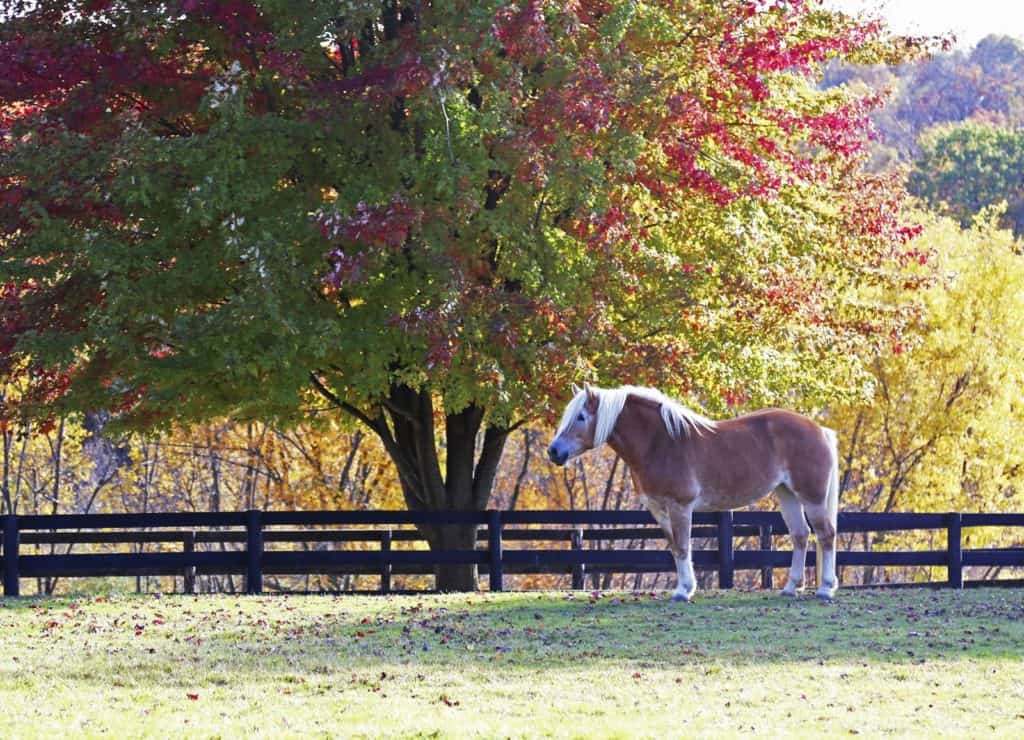
You can greatly improve the health and productivity of your pastures by creating and using a winter paddock or “sacrifice area” to confine your horses.
No new horses have been confirmed EHV-1 positive since Sept. 21 in connection with the Tennessee cases.

Researchers found the frequency of intestinal contractions was lower in stabled horses than pastured horses.
Twenty-five cases of Eastern equine encephalitis have been confirmed in Wisconsin horses since mid-August.
No new EHV-1 cases have been confirmed in California or Tennessee, statements from the CDFA and the UTVMC say.
Five additional horses at the index case’s home premises have tested positive for EHV-1 and are being treated.
TheHorse.com’s Ask the Vet LIVE event on Horse Adoption and Rescue is now archived for repeat listening.
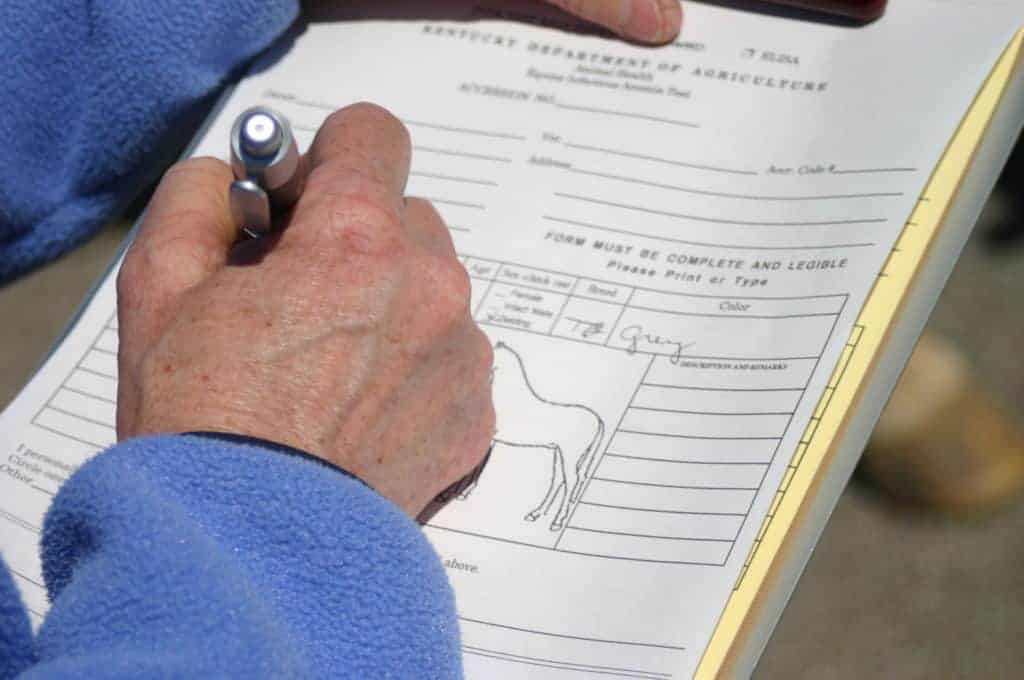
Find out what veterinary documents you’ll need to secure before you travel with horses.
No new EHV-1 cases have been confirmed at UT. The informational forum will take place Sept. 21 at 7:00 p.m.

An EHV-1 positive horse was admitted last week. No new cases have emerged at the medical center to date.
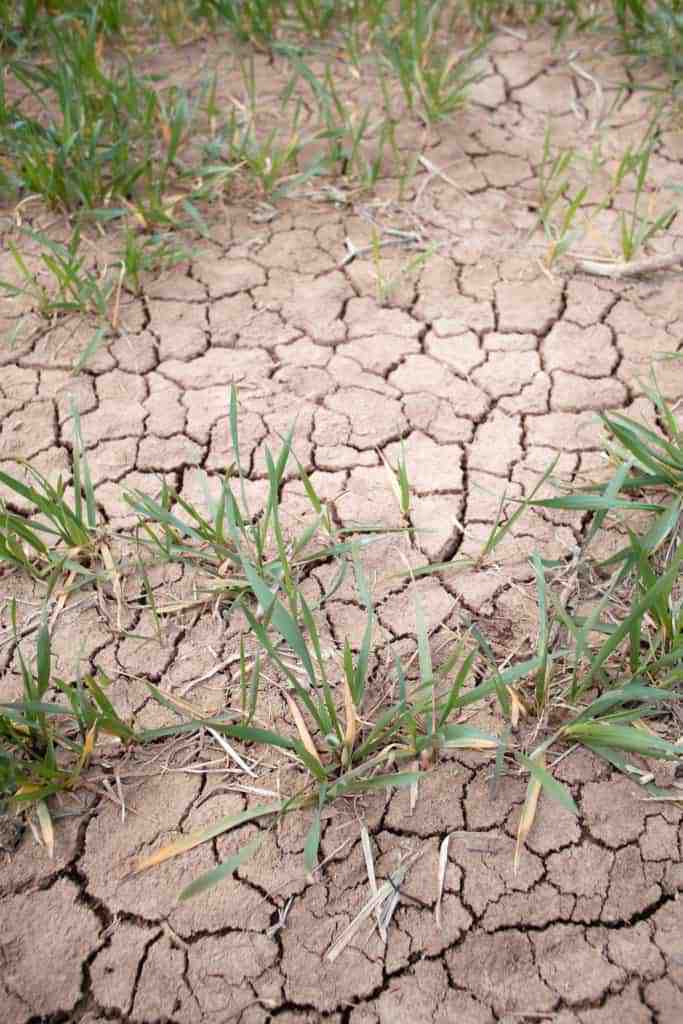
Horse owners in the South are faced with “exceptional” droughts and high hay prices as the drought continues.
Seven horses from one farm and two residing on another premises have tested positive for neurologic EHV-1.

Reducing your risk of wildfire begins with properly landscaping your property, called firewise landscaping, which is something most of us need to consider and plan for.
Eight additional horses in Tuolumne County are displaying clinical signs consistent of EHV-1.