Weed of the Month: Wild Violet
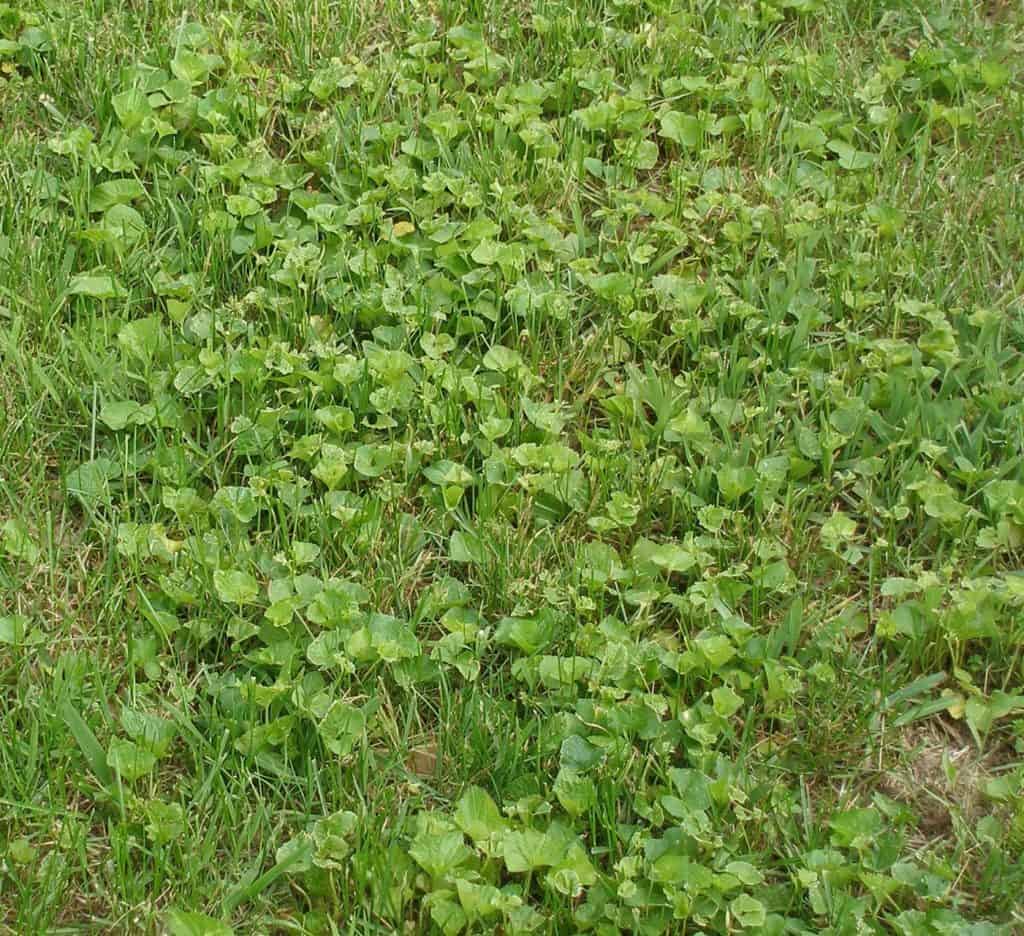
Wild violet is distributed widely throughout the eastern United States and occurs most frequently in highly maintained pastures, turf grass, and landscapes.

Wild violet is distributed widely throughout the eastern United States and occurs most frequently in highly maintained pastures, turf grass, and landscapes.

Even when you have a lot of pasture it’s very challenging trying to use it in the winter and still maintain its integrity.

Curly dock grows well in alfalfa, disturbed sites, cultivated fields, ditches, and especially in compacted, overgrazed pastures.


Researchers found the muzzles reduced horses’ grass consumption by 30% but did not impact the animals’ forage choice.

Does your horse drool like a dog? Here are some reasons why, from the benign to the life threatening.
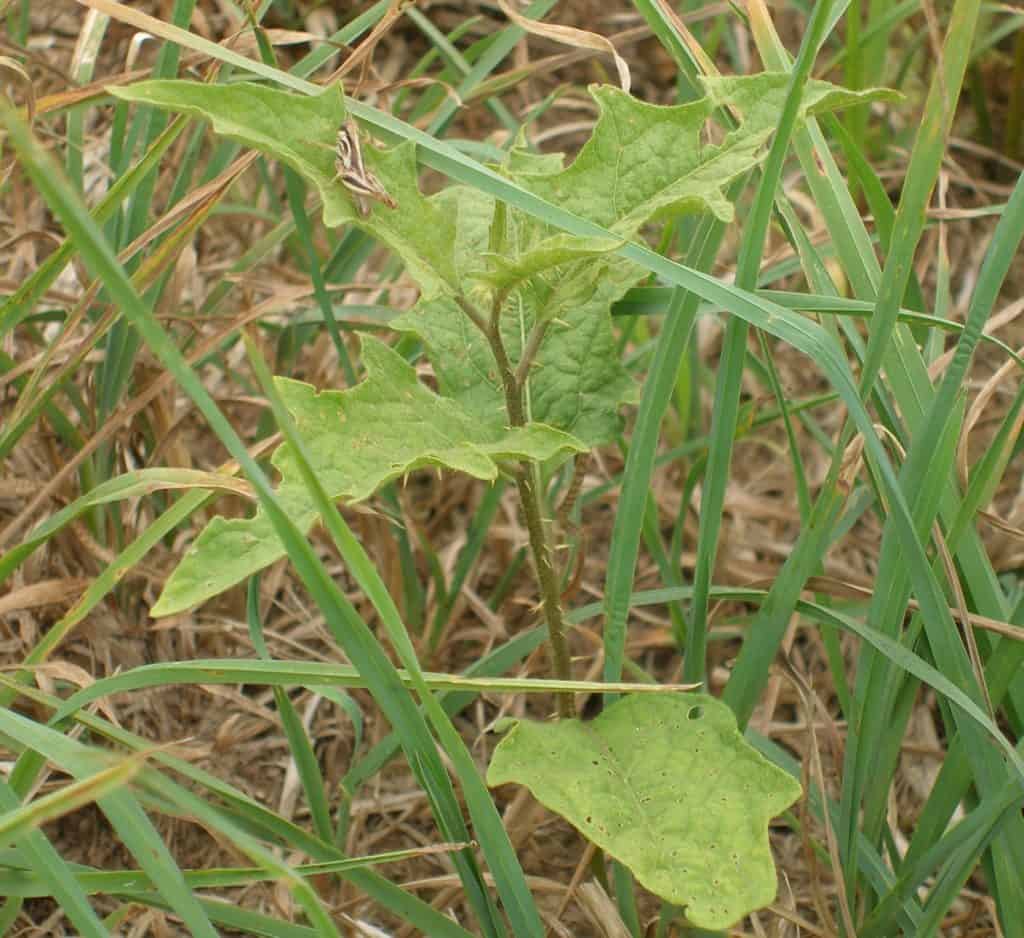
Horsenettle is distributed widely across most of the United States, especially in the eastern half and the western coastal states.

Managing and monitoring pastures properly can result in the safe production of quality hay or bedding for all classes of livestock.

A veterinarian and horse behavior expert addresses a senior horse’s bad experience with an electric fence.

Wild parsnip foliage can cause skin photosensitivity and rashes in both humans and horses.
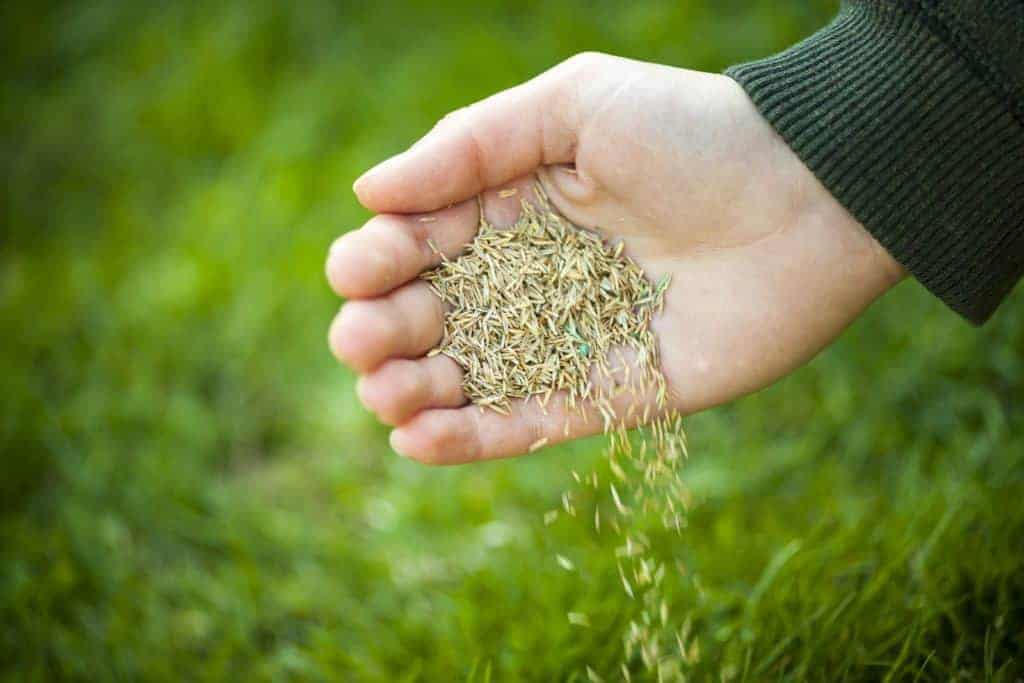
Overseeding horse pastures can help improve pasture production, forage quality, and ground cover. Here’s what to know.

Horses and other animals rarely consume nimblewill, so the plant often persists in pastures.
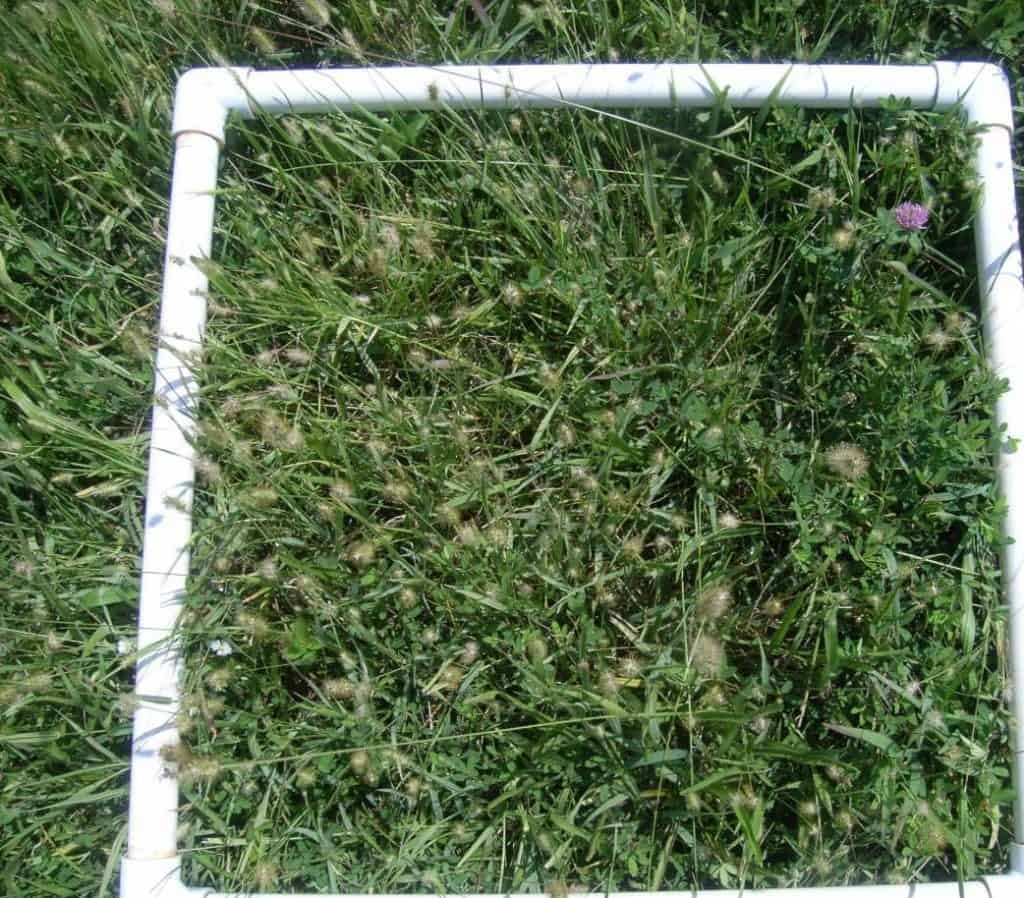
What types of grass are growing in your horse’s pasture during the summer? Here’s a look at which ones are desirable and which ones aren’t.

Common ragweed is distributed widely across the United States and occurs in pastures and cultivated crops. Infestations in pastures are usually more of a problem during periods of drought or when overgrazing occurs.
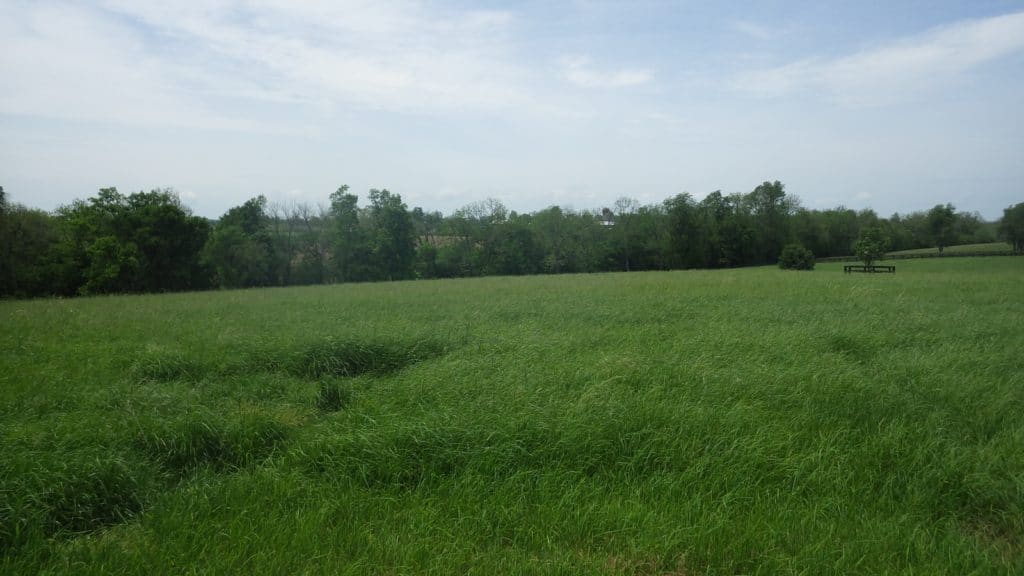
When the majority of a field becomes unsuitable, it might be time to start over. Here’s what to consider before you begin and how to re-establish your pastures.

Dr. Cynthia Gaskill of the University of Kentucky’s Veterinary Diagnostic Lab shares important things mare owners need to know about fescue toxicosis.