Weed of the Month: Common Ragweed
Common ragweed is distributed widely across the United States and occurs in pastures and cultivated crops. Infestations in pastures are usually more of a problem during periods of drought or when overgrazing occurs.

Common ragweed is distributed widely across the United States and occurs in pastures and cultivated crops. Infestations in pastures are usually more of a problem during periods of drought or when overgrazing occurs.
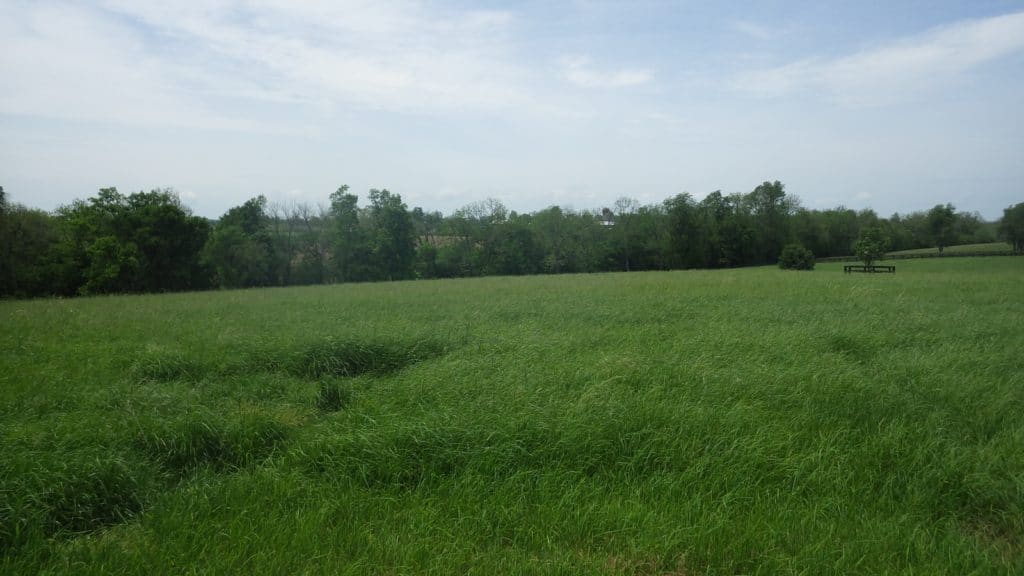
When the majority of a field becomes unsuitable, it might be time to start over. Here’s what to consider before you begin and how to re-establish your pastures.

Dr. Cynthia Gaskill of the University of Kentucky’s Veterinary Diagnostic Lab shares important things mare owners need to know about fescue toxicosis.
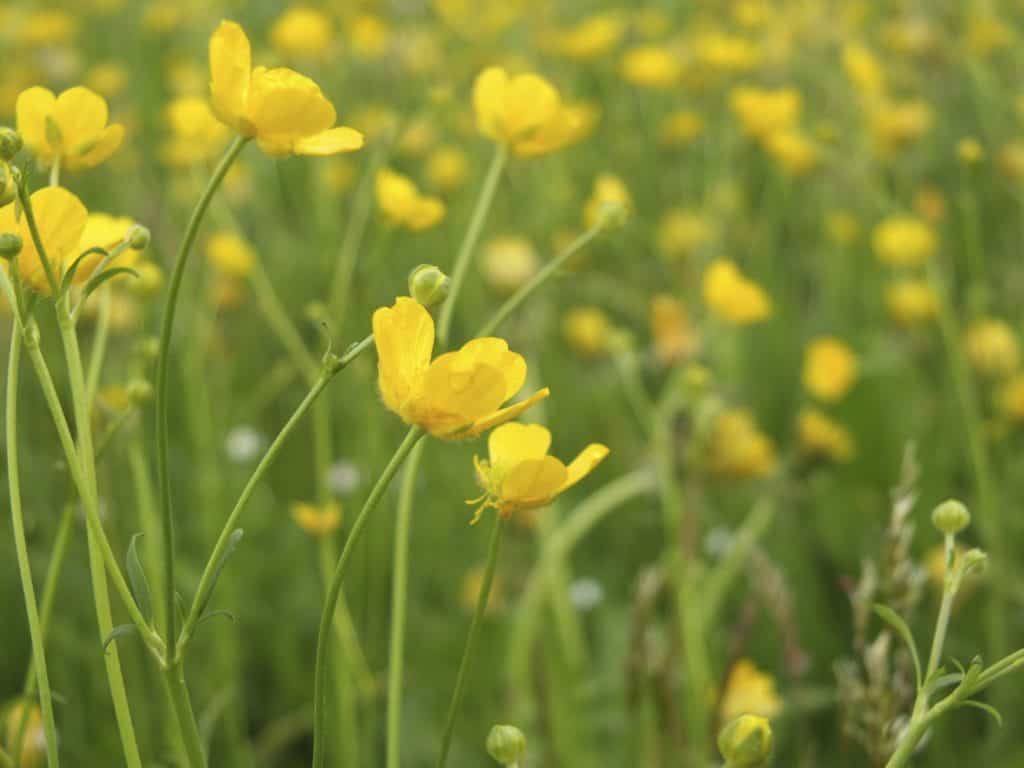
Buttercups can be poisonous to horses, but the plants are not palatable and animals usually do not eat them.

Now is the optimal time for Kentucky forage producers to cut hay to ensure they get good quality and yield.

Chicory is not as common as many weeds in horse pastures but occurs in more abundance in unmowed pastures.

Property managers often test their pastures to evaluate the risk of fescue toxicity; however, how you test can produce drastically different results. Here are some things to remember when testing horse pastures for infected tall fescue.

After a long, cold winter in much of the United States, many farms and their fields will need some work come spring. The following guidelines will help ensure your pasture management efforts are both beneficial and economical for your farm.

What safety concerns do you look for when selecting a new stable for your horse?
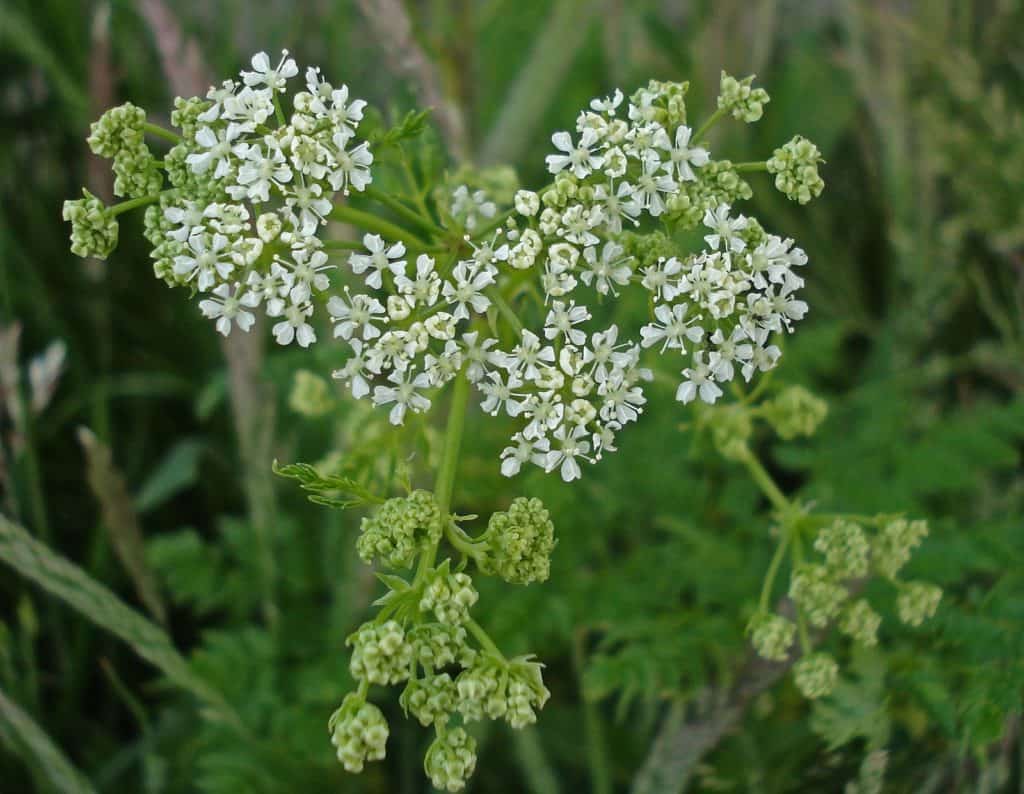
Poison hemlock is extremely poisonous to horses and humans, however horses rarely eat this plant because of its low palatability.

Mud prevention requires long-range planning and a balance between managing horses and managing pastures.

Animals such as cats, dogs, and horses are not sensitive to poison ivy, but can transfer the irritating urushiol oil to humans.


Here’s a look back at TheHorse.com’s 10 most popular blog posts in 2013. Did your favorites make the list?

Which were the most accessed videos, slideshows, reports, and podcasts in 2013? Here’s a list of the top 10.
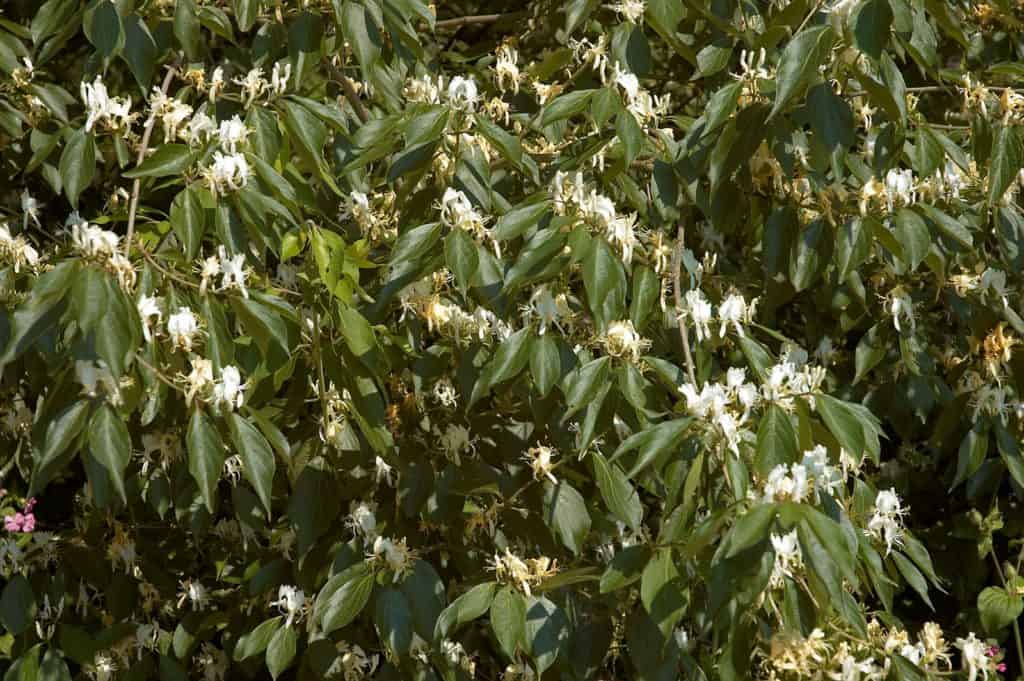
Most horse farms sport trees along paddock fencerows, near barns, and in pastures. While many trees are planted for shade or aesthetics, other woody (and often undesirable) plants frequently encroach from surrounding fields.