Study: Some Mares Find Rectal Ultrasounds Stressful
Nonlactating Thoroughbred mares perceived transrectal ultrasound exams as modest temporary stressors.

Nonlactating Thoroughbred mares perceived transrectal ultrasound exams as modest temporary stressors.
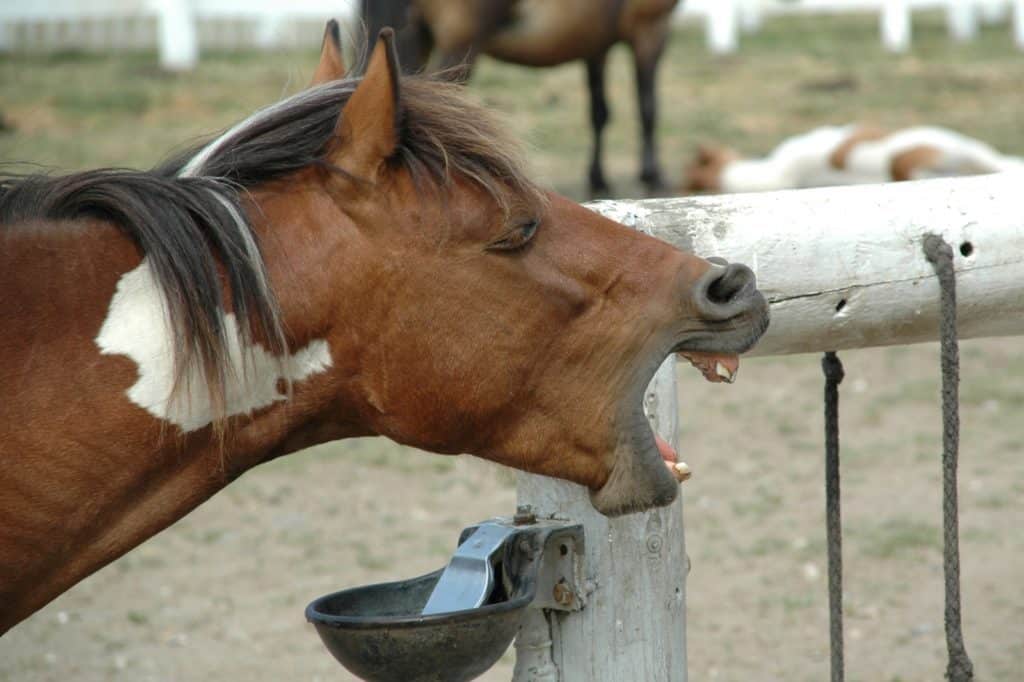
From behavioral changes to yawning, signs of neurologic problems in horses can be challenging to decipher.

Find out why a horse might start weaving and what, if anything, you can do about this stereotypy.

Touch-screen computers could remove the risk of human influence in research on equine decision-making and actions.

For the first time horses have been shown to be able to distinguish between angry and happy human facial expressions.
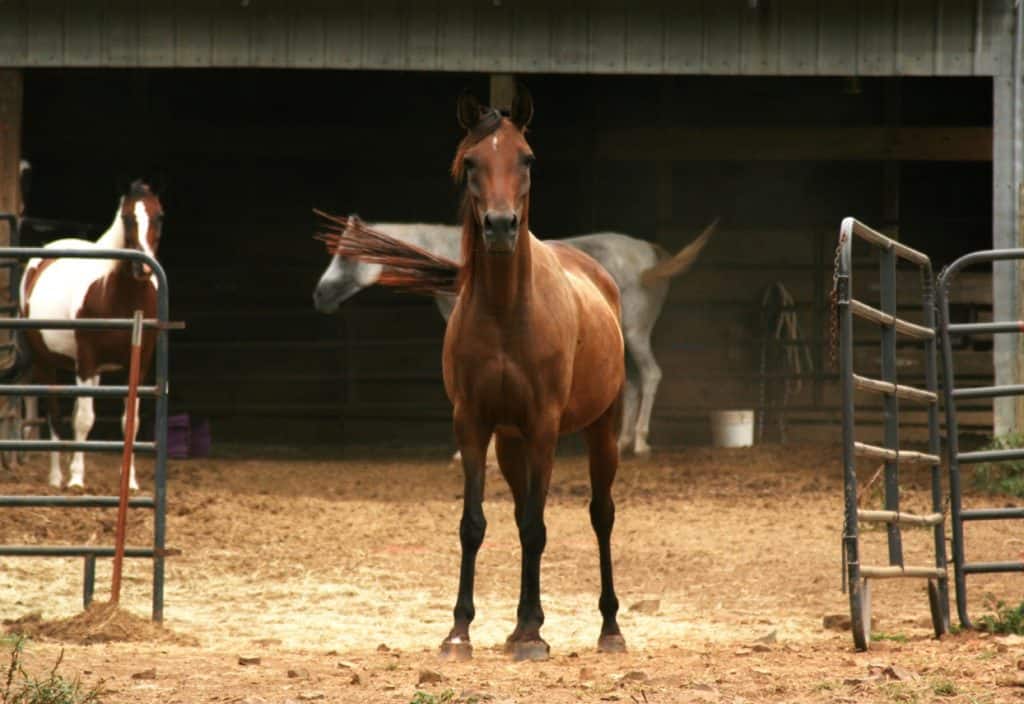
While equine social learning might be possible in some situations, it doesn’t seem to work with spatial detour tasks.

Studies focused on ophthalmology, gastrointestinal disease, foal medications, pain management, and more.
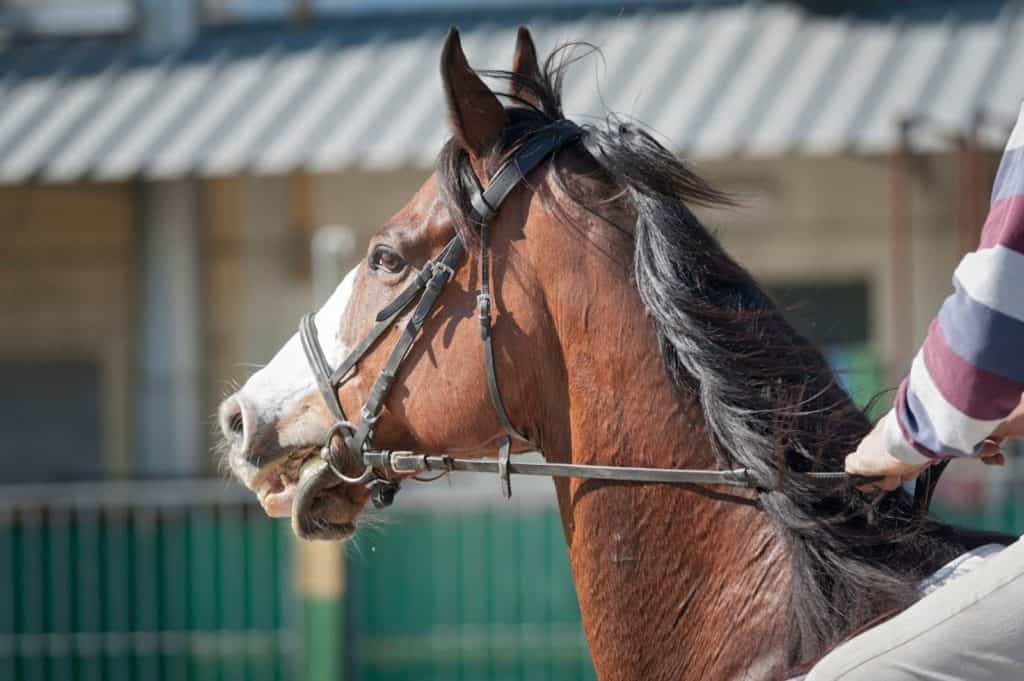
Does it feel like your horse hangs on the reins? A behaviorist offers possible causes and solutions to the problem.
Speakers will discuss how horses learn and how that knowledge can be applied to training.

An equine lawyer addresses buyer options after purchasing a horse with an unknown or undisclosed behavioral issue.

How can I teach my horse to let me put her blanket on over her head so I don’t have to unbuckle it each time?
As an attorney for Equine Legal Solutions, I frequently help unhappy horse buyers decide whether they have a viable legal case against the seller, and

Horses trained with ground work learned to recognize finger pointing faster than those trained with other methods.
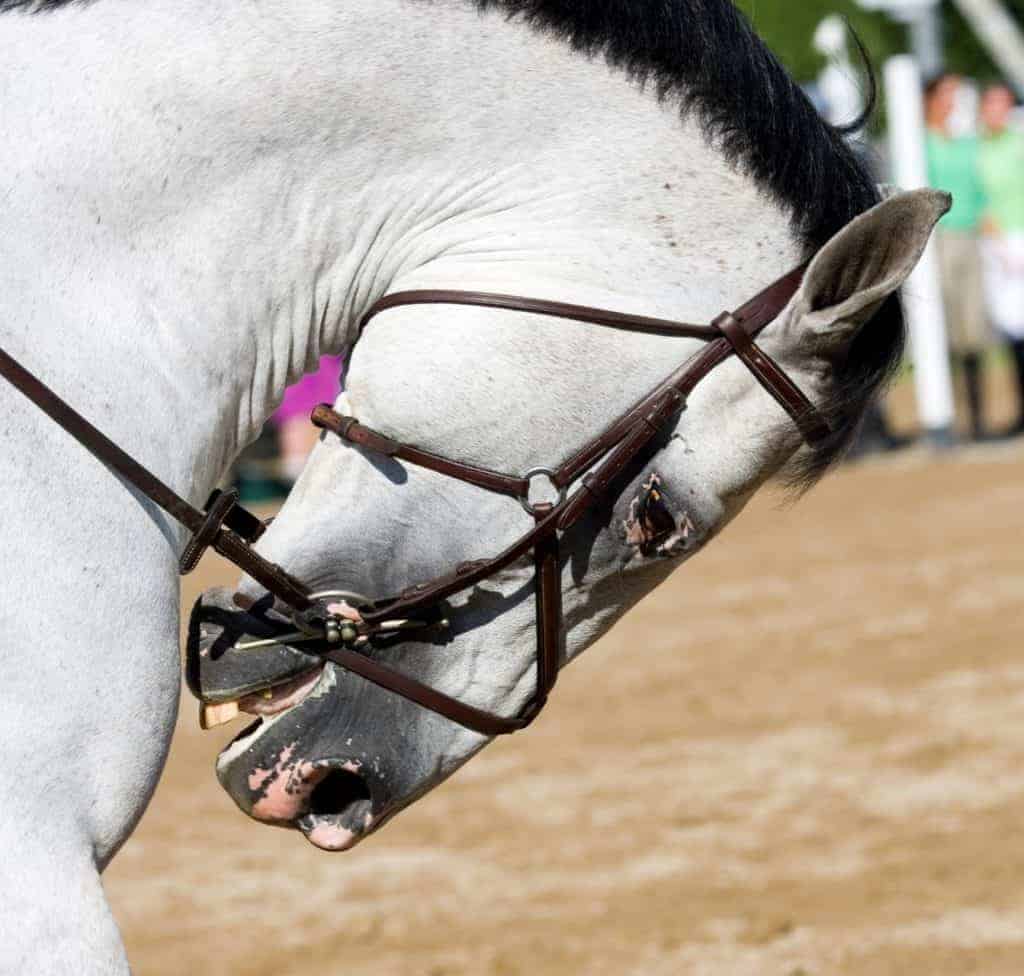
Hyperflexion was more common in the 2008 World Cup than the 1992 Olympic Games in dressage classes, researchers found.

In many cases, a good shelter with adequate food is enough to keep horses warm during winter weather, researchers found.
Have you ever wondered if your horse is getting enough sleep? Here’s what you need to know.