Blood Tests and Balanced Equine Diets
Dr. Clair Thunes shares information about how blood tests can help ensure your horse is getting the nutrition he needs.

Dr. Clair Thunes shares information about how blood tests can help ensure your horse is getting the nutrition he needs.
Oxidation is a normal process a horse’s body uses to transform nutrients such as carbohydrates, fats, and proteins into energy, but it also results in oxidative damage. Fortunately, antioxidants can help. Here’s what you need to know about the important damage fighters.
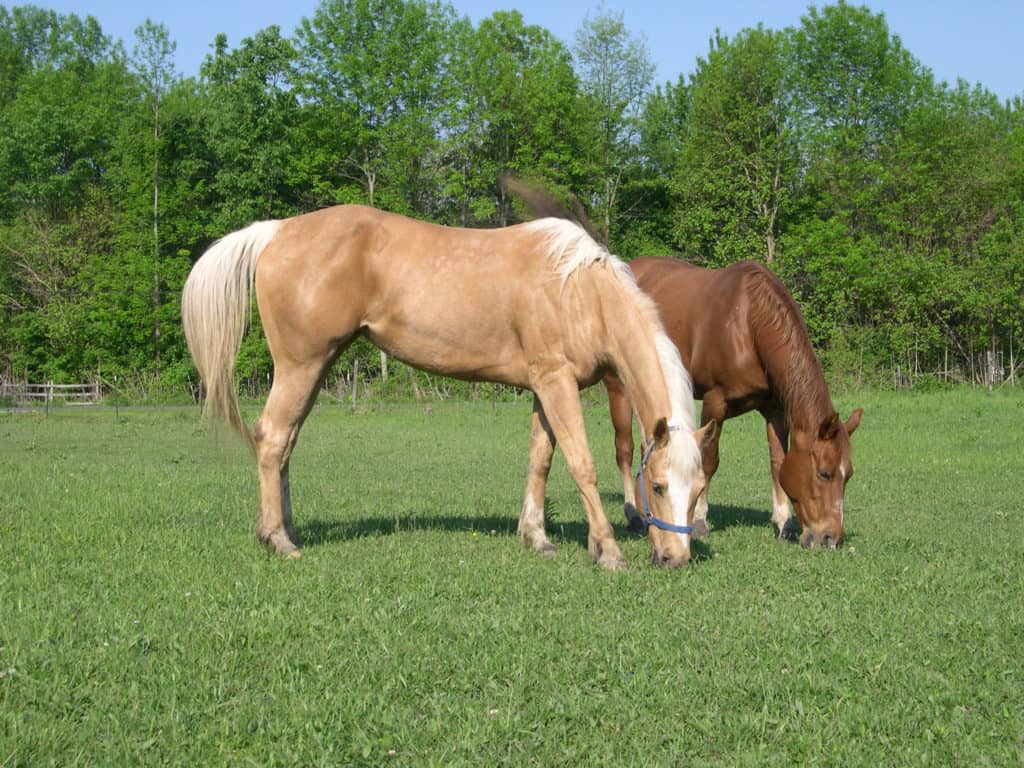
An owner gives her two horses the same feed and is happy with the results with one horse but is concerned about the other. Dr. Clair Thunes discusses what causes horses to respond differently to the same diet.

Independent equine nutritionist Dr. Clair Thunes shares basic guidelines for feeding horses enough calories and what factors might influence your horse’s caloric needs.

Proper nutrition is critical for growth and development. Learn the right way to feed your foal.

Veterinarians often prescribe medications to control acute and chronic clinical signs of disease, along with recommending environmental changes to limit asthmatic horses’ exposure to inhaled allergens. What do owners think of these sometimes time-consuming and expensive suggestions?

Managing horses with PPID is an ongoing commitment and requires careful veterinary observation. By monitoring both clinical signs and endocrine values, many affected horses can return to athletic function and/or maintain a good quality of life.

Many factors affect your horse’s ability to mount an effective immune response, one of which is his age. Learn more about the horse’s immune system and how it functions at every stage of his life.

Sweat contains electrolytes (including sodium and chloride), so heavily exercising horses have significantly higher dietary requirements for both minerals than their idle counterparts. Here’s what to know.

Moving north for the summer or south for the winter with horses can make feeding them a consistent diet challenging. An equine nutritionist offers tips to ease the transition.

Dietary restriction plus a low-intensity exercise program helped improve overweight horses’ insulin sensitivities, which could help reduce their risk of developing laminitis.
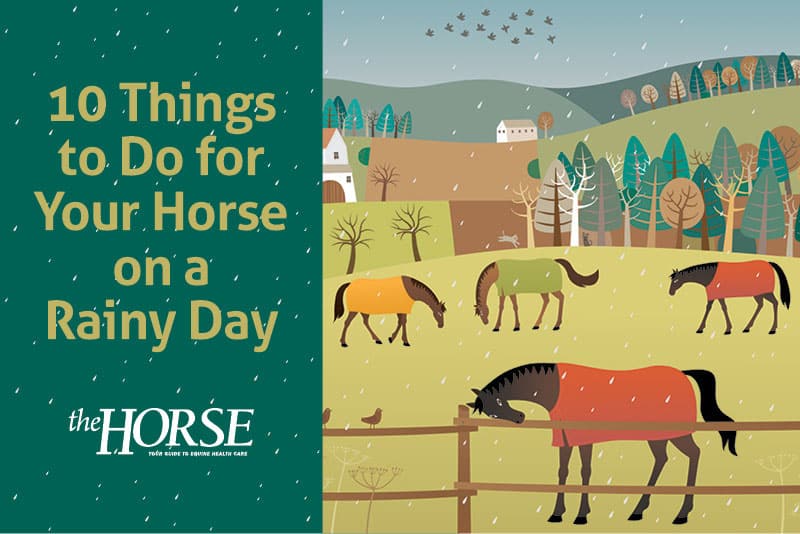
Don’t let dreary weather keep you away from the barn! Here are 10 things you can do for your horse on a rainy day.

An independent equine nutritionist answers horse owner questions on forage, feed concentrates, fats, supplements, and more.

Experts share information about the steps needed to identify PSSM, how to distinguish between the types, and recommendations for managing affected horses.

Horses and ponies that gain weight are more than twice as likely to develop laminitis than if they lose or maintain their weight, a recently published study revealed.
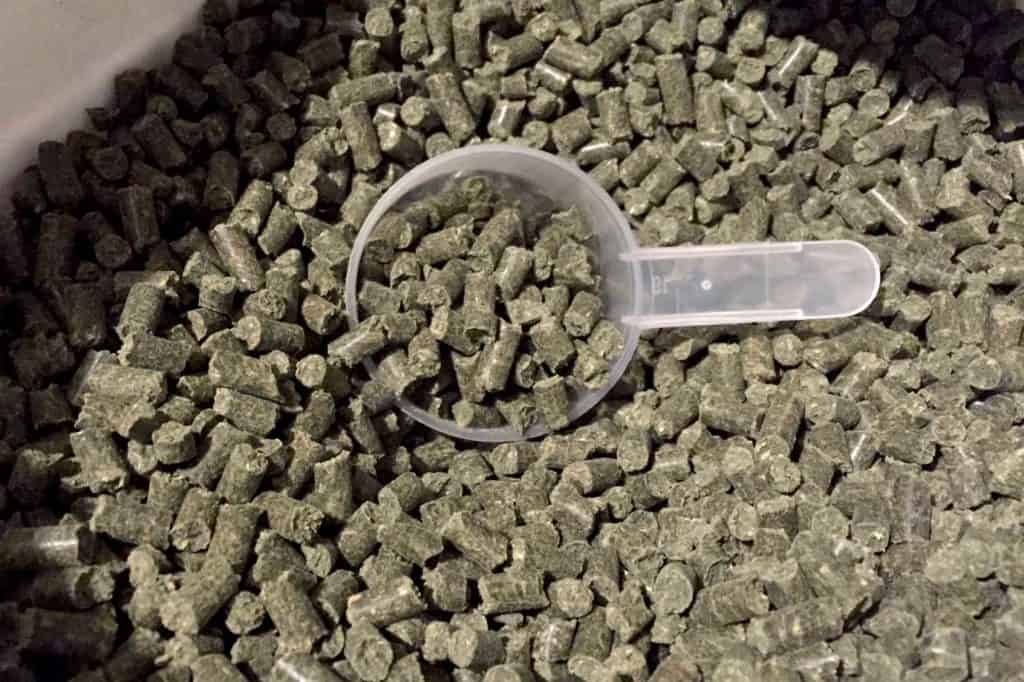
Combination supplements claiming to support joints, gut health, coat quality, and more might make feeding time easier, but do they work?