Study: Therapeutic Shoes Might Impair Circulation in Horses’ Feet
Researchers reported thermography showed lower temperatures in the heels and toes of horses wearing egg bar shoes or wedge pads; the findings remain inconclusive.

Researchers reported thermography showed lower temperatures in the heels and toes of horses wearing egg bar shoes or wedge pads; the findings remain inconclusive.

Researchers, veterinarians, and farriers discuss the barefoot sport horse trend.

Snow and ice during winter can cause footing problems for horses, especially those called upon to do something other than loaf in the pasture or paddock.

Researchers found horses on regular four- to six-week trim and shoe cycles didn’t have significant gait changes after their hoof care appointments, even on a finely measured level.

Going barefoot can benefit many horses, especially during the cold months when snow can pack onto steel. But pulling shoes requires planning to ensure horses’ continued comfort.

Dr. Scott Morrison describes the issues low heels can cause and the mechanical tools farriers and veterinarians can use to address them.

Using sensors, scientists found hoof breakover lasts a shorter amount of time in certain gaits when the horse has wedges, rolled-toe shoes, or palmarly placed shoes compared to normal shoes.

Meet Tokyo Olympic Head Farrier Ben Benson of Great Britain, and learn what it takes to keep high-performance horses shod during the Games.
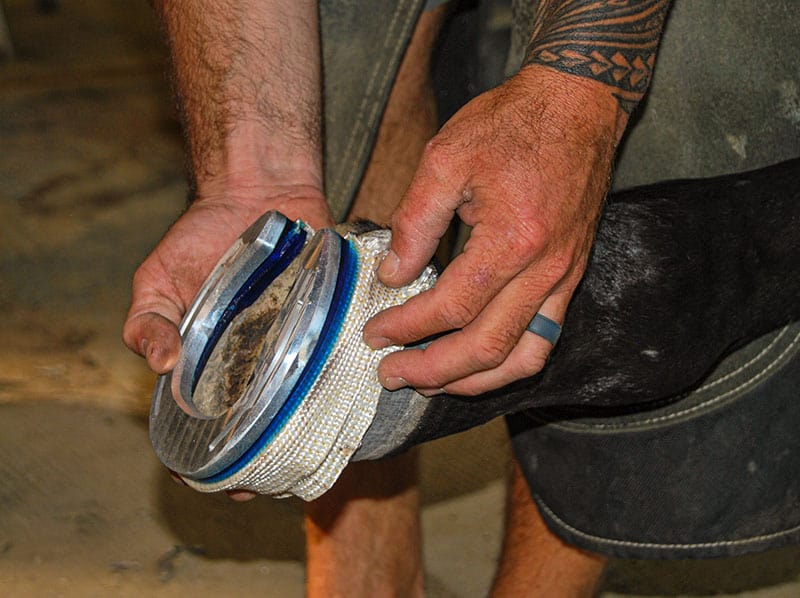
Today’s hoof protection options include a variety of glue-on shoes, hoof boots, and even orthotics. Learn about the pros and cons of each.

Lame horse? Advanced diagnostic and management strategies for navicular syndrome have improved long-term outcomes.

Researchers observed horses taking more steps and spending more time in a relaxed position after their hoof care appointments.

Does your horse have thin soles? Here’s how to manage his feet to help keep him sound.
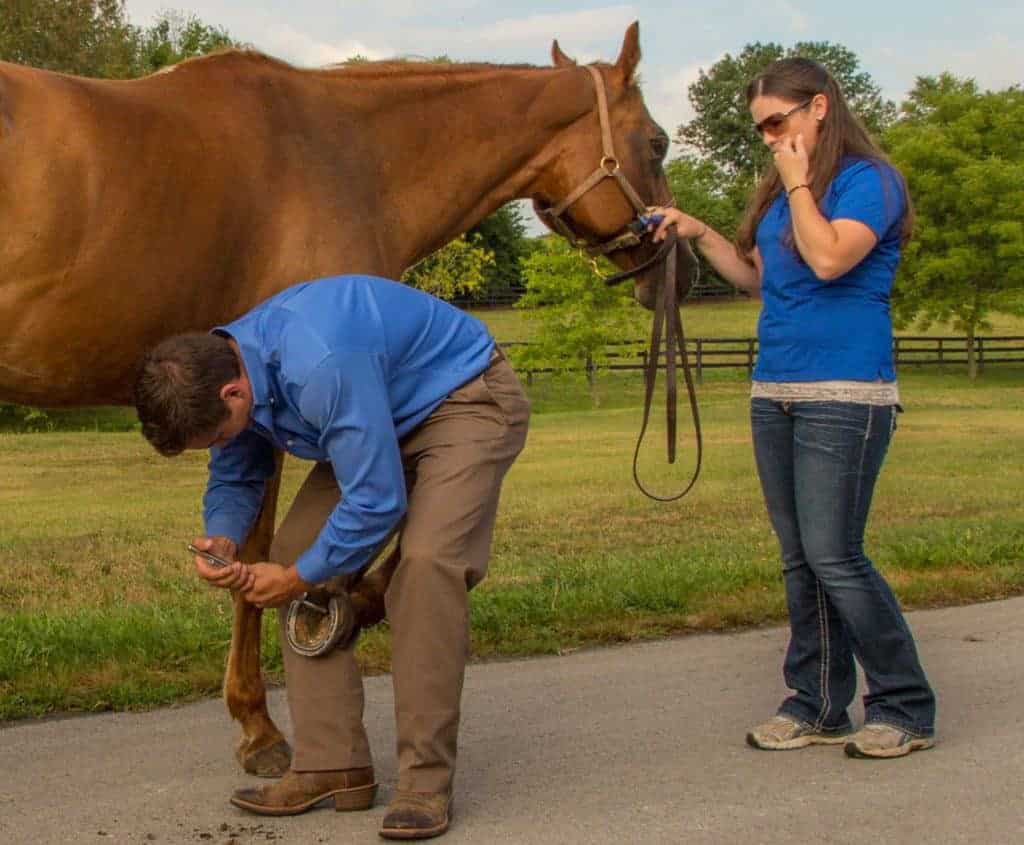
Find out what hoof problems you can safely manage yourself and when to call in your farrier and/or veterinarian.

A nearly lost shoe should stop a rider cold because it can expose horses to foot injuries ranging from nail punctures to sole bruising. Having the right tools and knowing how to use them can help you remove a shoe safely when a farrier isn’t available.

A farrier is part of a team that also includes the horse, owner, trainer, grooms, and veterinarian. This team approach is never more necessary than when a horse has an injury or disease.
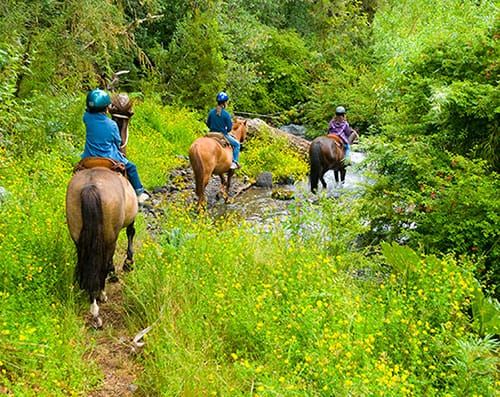
Trail riding season is in full swing, and our sources answered 17 questions about keeping your horse sound and healthy.