Health Conditions to Consider When Trying a Horse
Watch for signs of these 5 health conditions when you’re trying a horse to buy, and talk to your veterinarian about any concerns.

Watch for signs of these 5 health conditions when you’re trying a horse to buy, and talk to your veterinarian about any concerns.
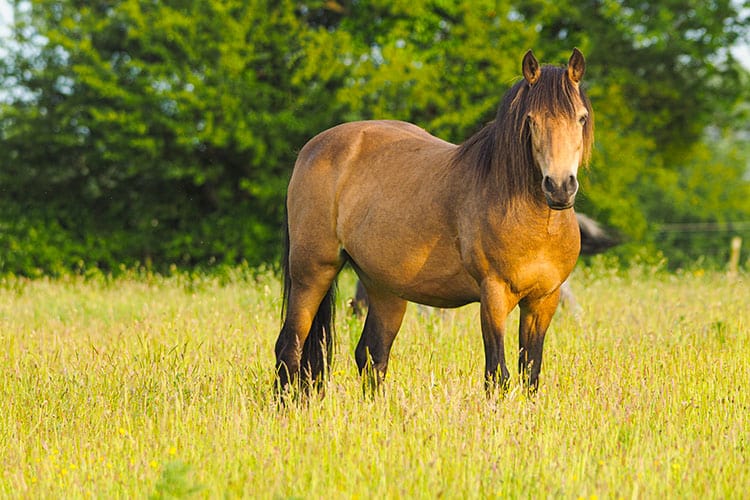
Early recognition and identification of the underlying cause give veterinarians the best opportunity to improve outcomes for horses with laminitis.

Why do some hoof abscesses heal quickly while others linger? Why do some keep coming back? Two horse hoof experts answer these questions and more.

A detailed guide on whether hoof boots are suitable for your horse, covering reasons for use, selection, fitting, maintenance, and potential issues.
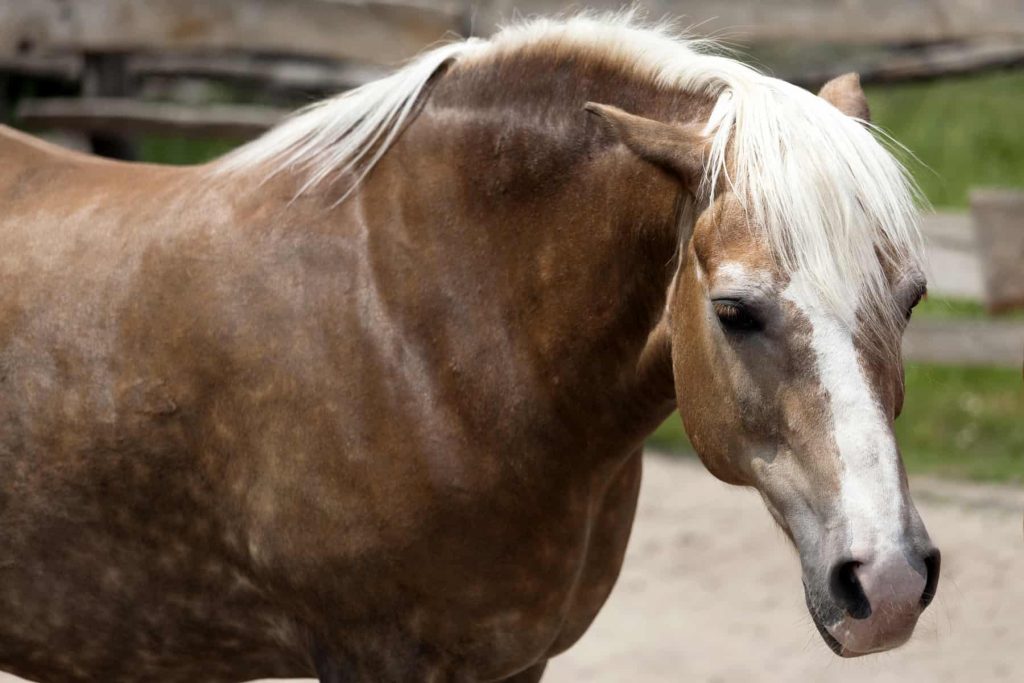
Early metabolic screening, low-sugar diets, and targeted medication can help protect at-risk horses from laminitis before lamellar damage within the hoof begins.
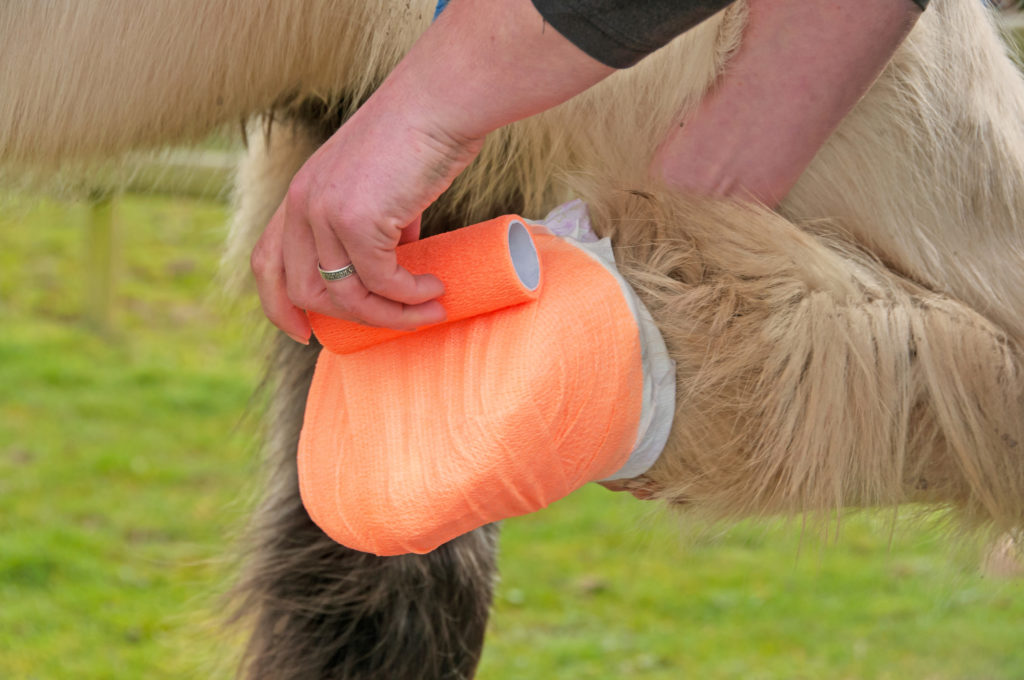
Resolving hoof wounds requires working closely with your veterinarian to manage lesions until they heal. Learn about 4 common wounds and how vets treat them.
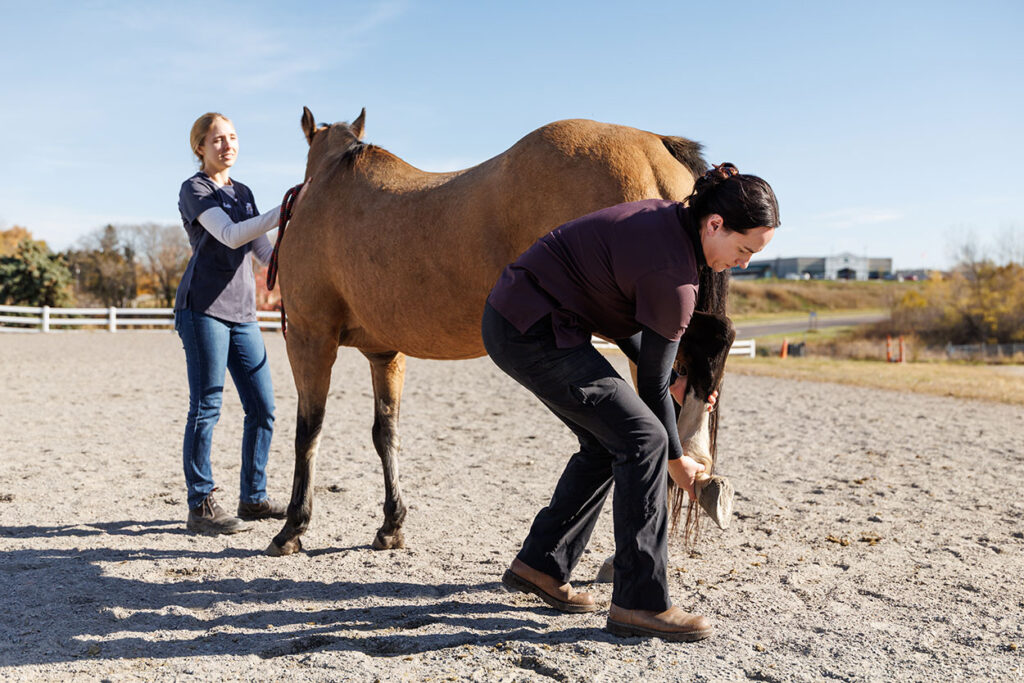
Delaying treatment, letting horses get overweight, and other common mistakes can contribute to arthritis progression and affect comfort and performance over time.

Horses can (and will) find unique ways to injure themselves. In this article we’ll highlight 4 of the most common causes of sudden lameness.

For some horses, overingesting certain grasses can lead to laminitis. Learn more about managing these horses and their pastures.
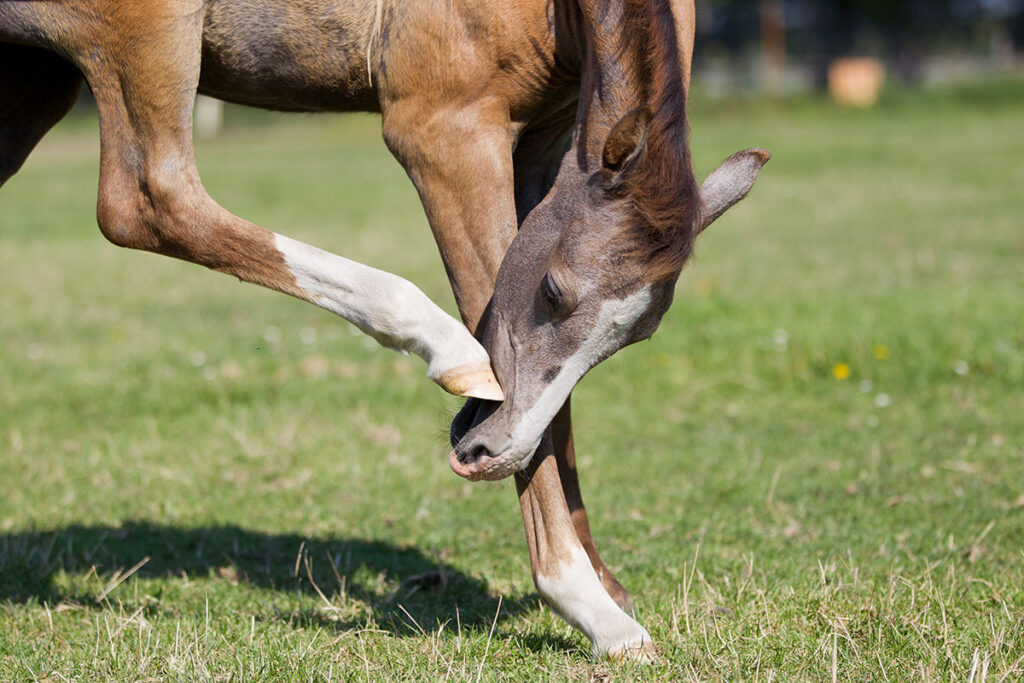
A youngster’s hoof care lays the foundation for his future. Here’s what you need to know about the first exam, mistakes to avoid, and common foal hoof and limb issues.

Find out what commonly applied practices horse owners and caretakers tend to overdo.

Two equine hoof care professionals share examples of how they diagnosed, treated, and maintained horses suffering from hoof-related lamenesses.
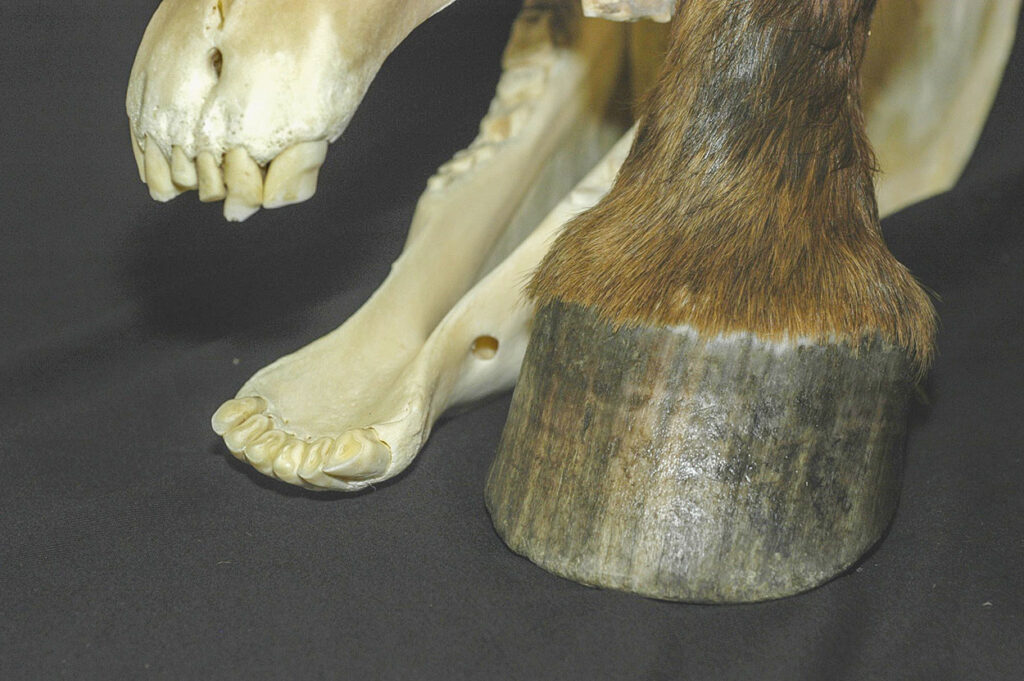
Healthy, well-maintained hooves can stay strong for decades—supporting horses from their first steps to their final years.
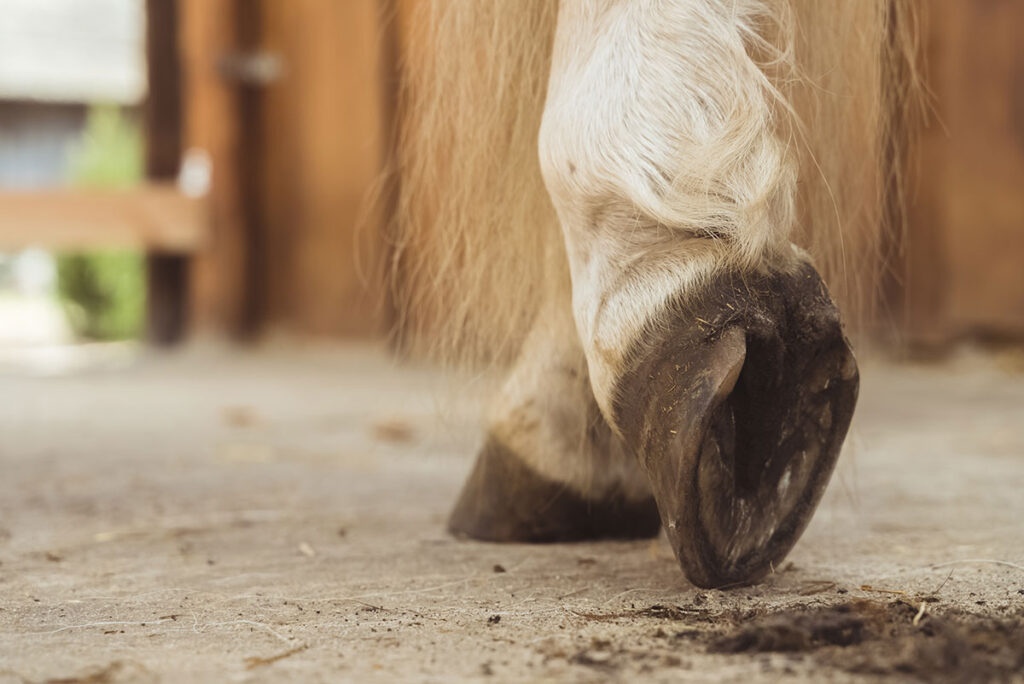
Learn about this common hoof condition from farriers and horse owners who have managed it.
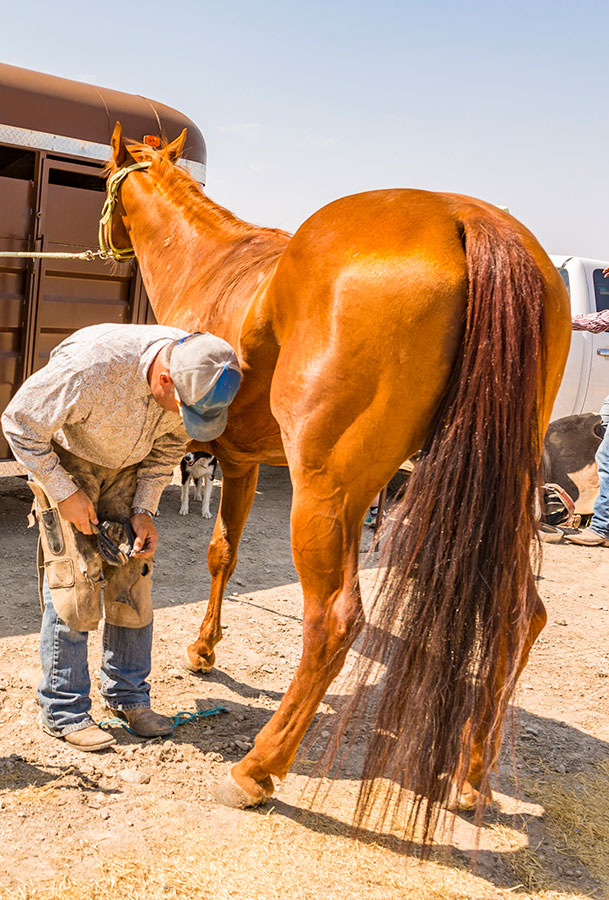
Genetics aren’t destiny when it comes to hoof quality. Here’s how diet, exercise, and a few specific measures can transform even the weakest feet.

Learn how to prevent shoe loss caused by farrier error, rider issues, management style, or horseplay.