Saturday’s Top Tweets from the 2015 AAEP Convention
Top tweets and take-homes from the equine podiatry workshop and more at the 2015 AAEP Convention.

Top tweets and take-homes from the equine podiatry workshop and more at the 2015 AAEP Convention.

Beginning treatment during the acute phase helps give the horse the best chance of recovery. Here’s what to know.

From managing joint health to nutrition and dental issues, learn how to help your old horse conquer the cold.
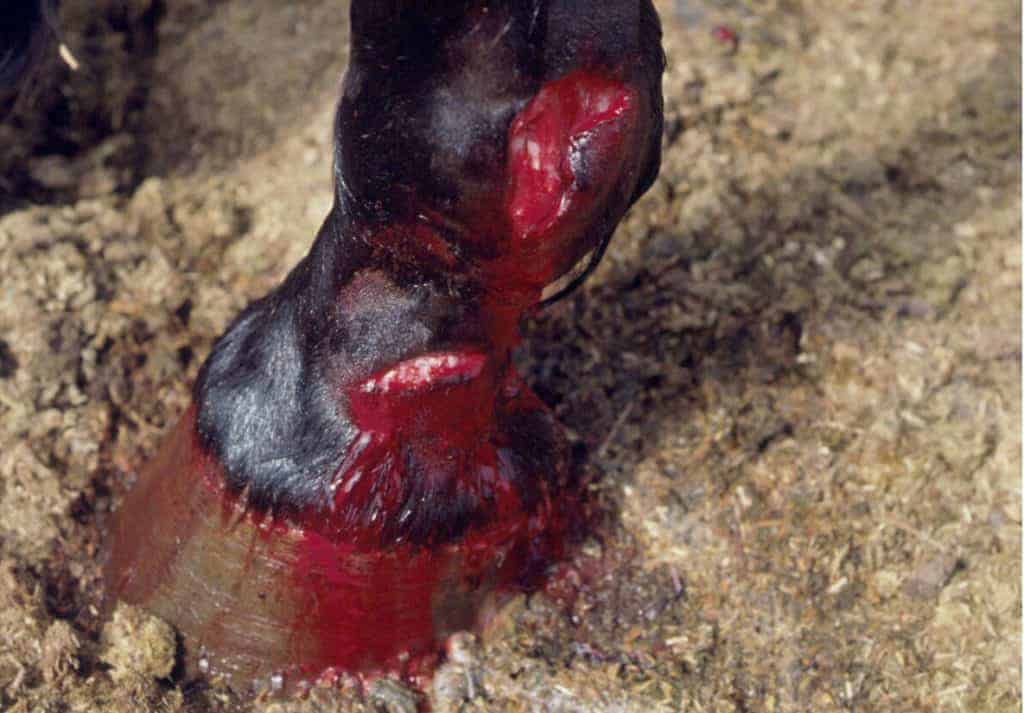
Knowing how and being prepared to triage serious wounds can help improve a patient’s likelihood for a good recovery.
The foundation is supporting projects on EMS, juvenile idiopathic epilepsy, and hoof imbalance and lameness.
Do you have any suggestions for speeding the time it takes for proximal splints (in the forelimbs) to resolve?
Sue Dyson, MA, Vet MB, PhD, DEO, FRCVS, and Grant Moon, CJF, AWCF, will present on hoof-related topics.
The AAEP Foundation is accepting pre-proposals for research projects on supporting limb laminitis until Jan. 15, 2016.

Hoof abscesses are a common cause of severe lameness in horses. Find out how to manage one in our step-by-step guide.
Lecture topics will include mare, stallion, and foal care; navicular syndrome; the digestive tract; and more.

The horse’s lower limb is subject to a multitude of injuries that can baffle even the most veteran veterinarians.

Are there times I shouldn’t work my young horse recently diagnosed with navicular syndrome?
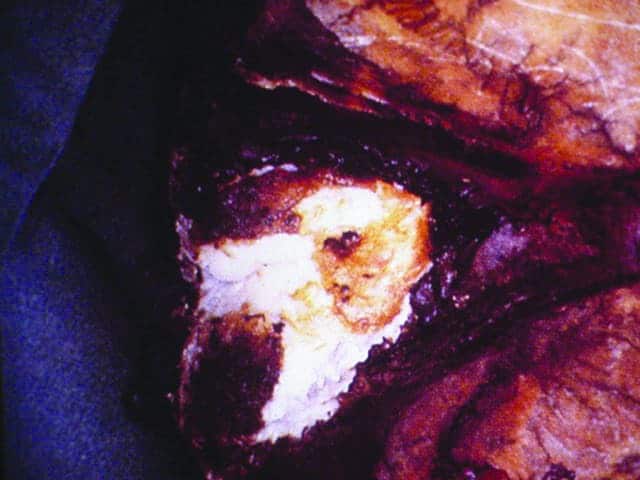
Canker is an unusual condition of the horse’s foot that affects the frog, bars, and sole.
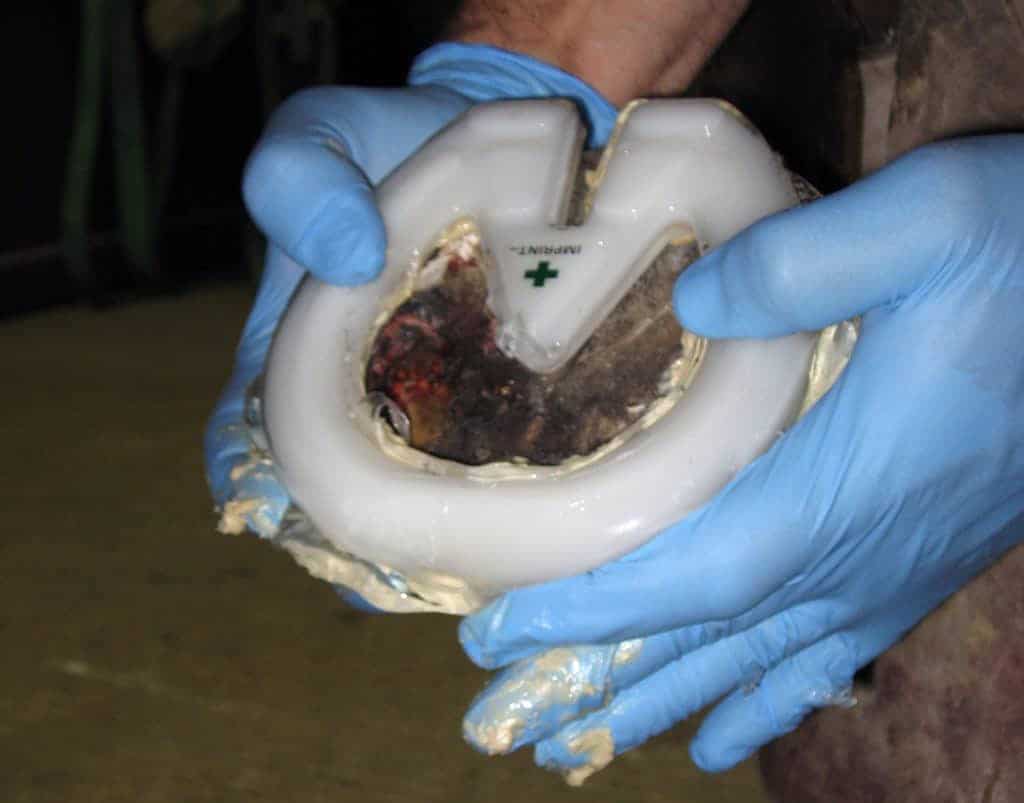
Learn about common foot pathologies and corrective-shoeing options, from bar shoes to wooden clogs.

Addressing the anatomy, conformation, and biomechanical principles of the equine foot.