Muscular Disorders in Athletic Horses
Certain muscular disorders, such as HYPP and PSSM, are common in horses because breeders have selected for specific traits, including enhanced muscle mass and metabolism economy.

Certain muscular disorders, such as HYPP and PSSM, are common in horses because breeders have selected for specific traits, including enhanced muscle mass and metabolism economy.

The theory is that when the polyurethane pour-in packing absorbs the shock from the hoof impacting the ground, it prevents it from traveling further up the musculoskeletal system, where it could cause wear and tear injuries.

The ill-fated WEG endurance competition was abandoned amid delays, disruptions, and dangerous heat. Here’s a look back at what went wrong.
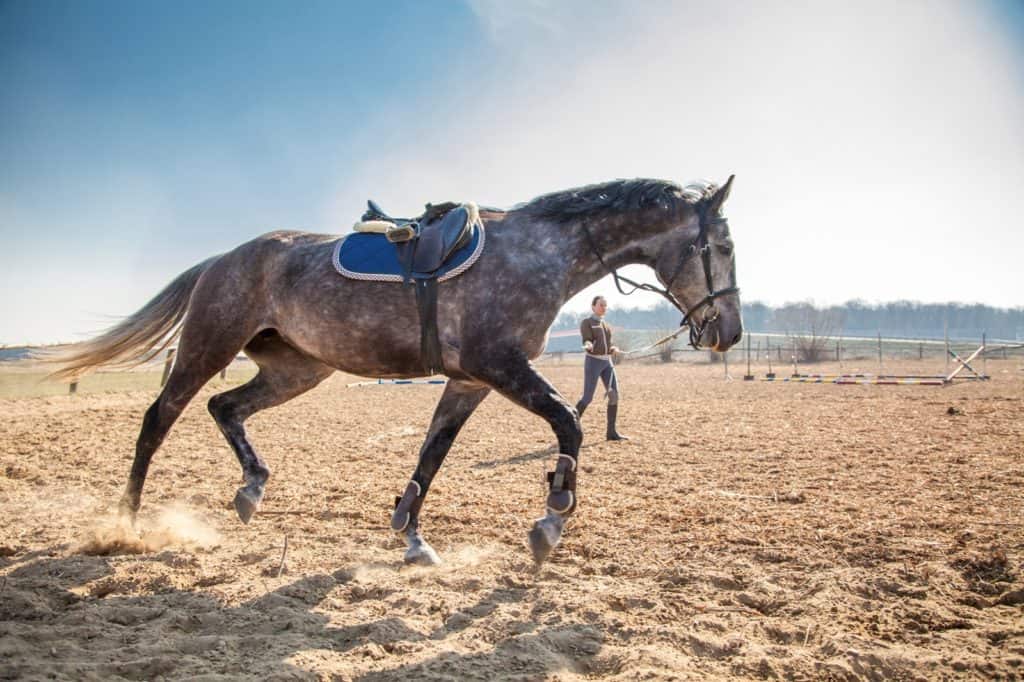
This common exercise modality can be surprisingly risky; learn how to keep your horse—and yourself—safe.

Read some of the top tweets and take-homes on topics such as lameness, equine obesity, laminitis, and more from the 2018 British Equine Veterinary Association Congress.
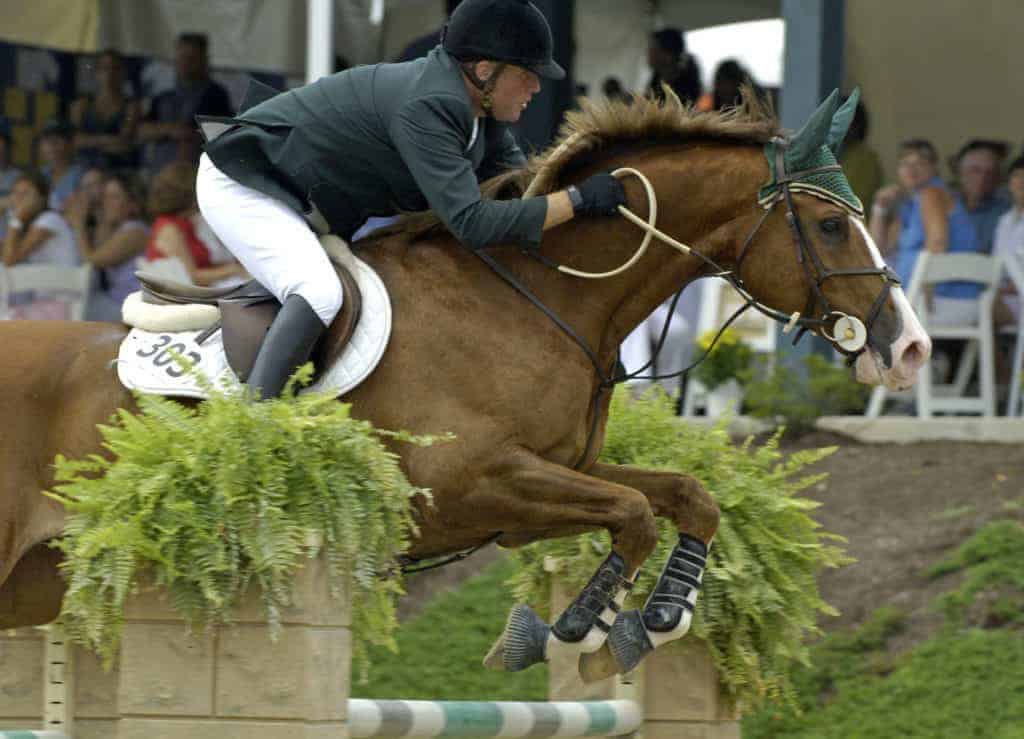
Good footing, proper conditioning, balanced nutrition, and careful attention to joints and soft tissues are key to maintaining eventers, hunter/jumpers, and dressage horses.

In recent years, veterinarians have started observing pathologic fractures, which are caused by a weak bone structure, in horses with PPID.

Recent research suggests that bone scans in horses aren’t always accurate in diagnosing causes of lameness and poor performance in sport horses when used alone.

Magnesium, an important macromineral found in most feedstuffs, plays integral roles in muscle contraction, skeletal growth, and a variety of enzyme systems, such as those involved in energy production.

Learn more about these trace minerals that are vital to horse health.

Do all young horses with fluid-filled joints or lameness have osteochondritis dissecans (OCD)? Download this fact sheet to find out.

Researchers have learned that fractured splint bone healing can be optimized by replacing metal screws with absorbable ones.

The saddle you bought a decade ago for your now-retired show horse doesn’t fit your new prospect. Now what? Learn how to find a saddle fitter, buy or modify a saddle, and recognize the right fit for your horse.

Researchers performed diagnostic imaging on Standardbreds’ limbs to pick up early signs of damage to bones, muscles, tendons, and ligaments. They noted more serious lesions—and more lesions in general—in horses trained only on a firm surface.

Many Thoroughbreds start racing at 2, but Justify didn’t make his first start until he was 3 and won the Triple Crown. Does this mean we shouldn’t start racing horses until they’re older? An equine surgeon and lameness specialist weighs in.

Scientists are continuing to uncover which genes are responsible for certain traits in horses.