Bone Development Before Birth in Horses
In horses bone development begins in the womb, but researchers are still working to understand the complexities of in utero bone growth.

In horses bone development begins in the womb, but researchers are still working to understand the complexities of in utero bone growth.

Once the biomarkers identified in this study are confirmed through more tests and larger samples, scientists might be able to develop treatments to prevent chronic pain, researchers said.

Researchers found that many horses not diagnosed with neck pain had bony changes in the cervical spine.
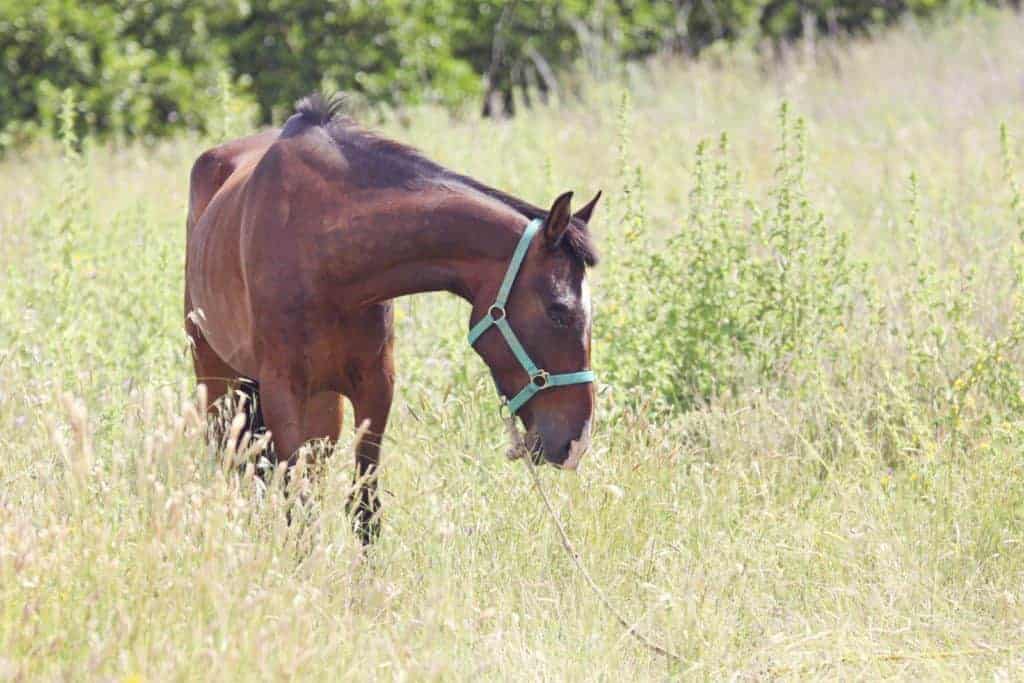
Horses with myositis experience rapid, widespread gluteal and epaxial muscle atrophy. Here’s what veterinarians know about about this immune-mediated condition.

Recent study results suggest competitive riders would be much more inclined to use technology to keep track of their mounts’ biometric data than recreational riders would.

A single-toe format “outweighed the costs” of multiple-toe formats as horses gained body mass and grew longer legs.
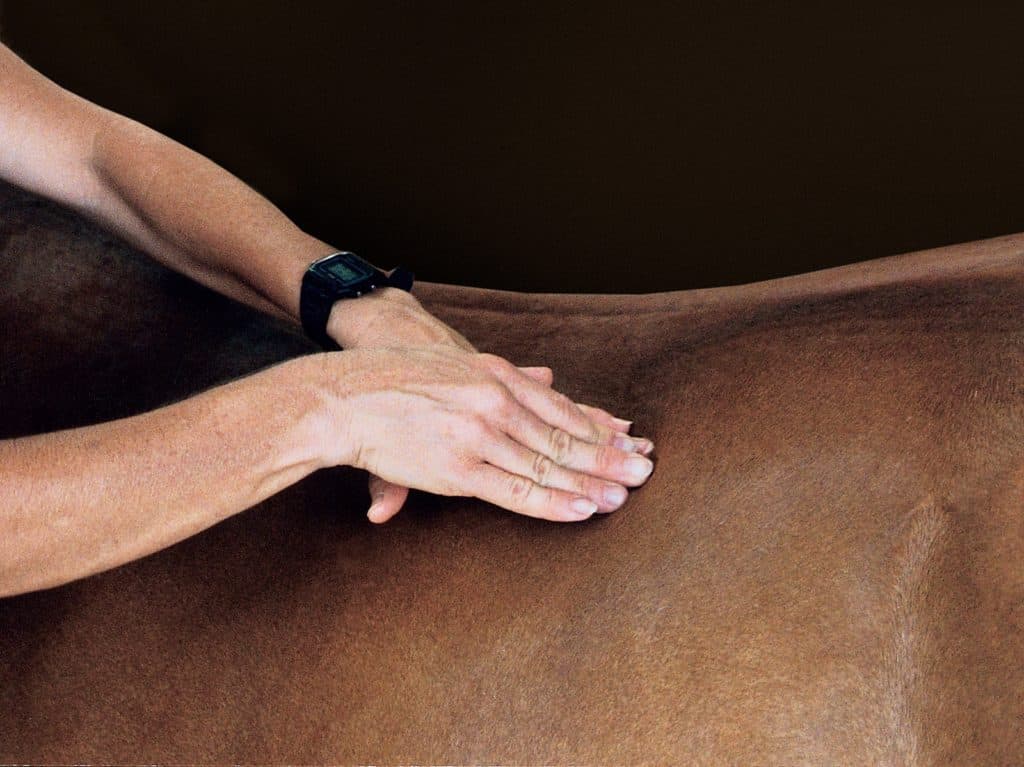
A bill pending in the Nebraska legislature would exempt equine massage therapists from licensure in that state.

The more data vets have on the injuries Western horses experience, the more they can do to try to rehabilitate or prevent them, one practitioner says.

The prognosis for performance soundness in nonracing horses diagnosed with sagittal groove injury and concurrent osteoarthritis is poor, researchers found.

This is the second article in a series looking at how researchers test and maintain equine competition surfaces worldwide.

Seasoned sport horses often need a little extra TLC to continue performing well into middle age.
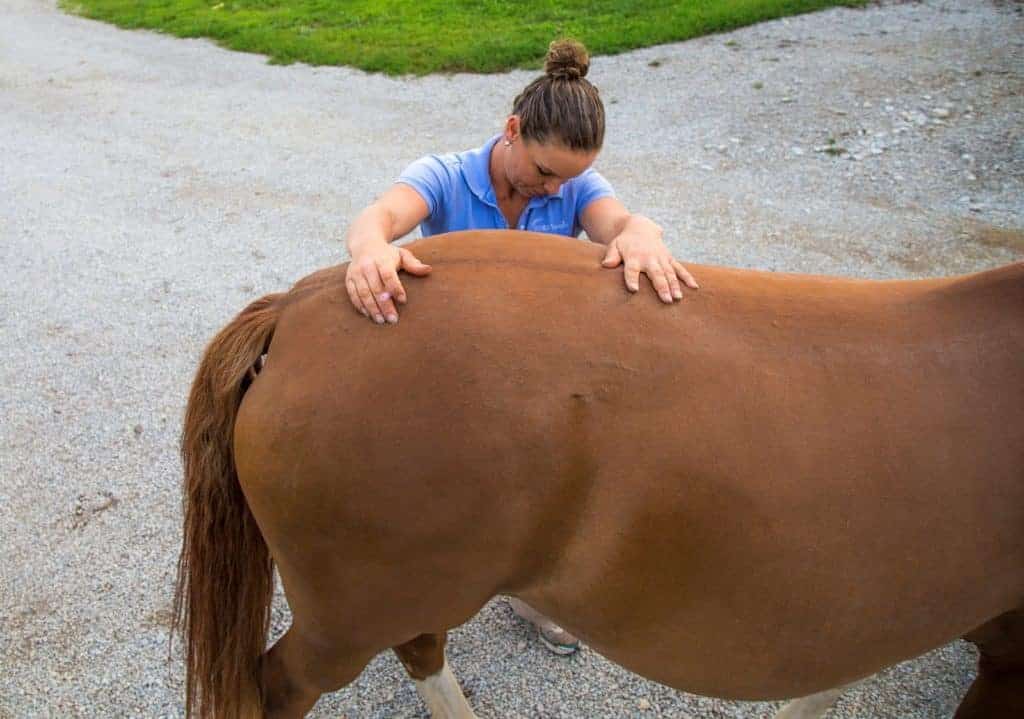
Instead of causing foot pain directly, rear hoof imbalances seem to cause more problems higher up the leg—to the hocks, stifles, glutes, and sacroiliac joint, one vet says.

Presenters will speak on pre-race examinations, on-track protocols, test barn best practices, technology resources, biosecurity, and more.

This research could help riders select dressage mounts to ensure their ability to perform the required movements while maintaining soundness.

In this first part in a series on testing and maintaining equine competition surface, we focus on racetracks.

Zinc-deficient horses can exhibit reduced growth rates, inappetence, and skin abnormalities, among other issues.