Equine Pelvic Fracture Prognosis
What’s the long-term prognosis for a horse diagnosed with a fractured pelvis?

What’s the long-term prognosis for a horse diagnosed with a fractured pelvis?

Researchers say the mutation responsible for the sometimes-fatal muscle condition immune-mediated myositis (or IMM) is just as common, if not more so, than at least two other well-known genetic diseases in Quarter Horses: HERDA and HYPP.

Some horses with neuromuscular disease could have a protozoan parasite Sarcocystis fayeri in their skeletal muscles, researchers learned.

Take a look at how adding studs to horseshoes can help horses navigate less-than-ideal footing.

Experts share information about the steps needed to identify PSSM, how to distinguish between the types, and recommendations for managing affected horses.

Is it cause for concern if a horse lies down frequently?

Researchers confirmed that ultrasound is a useful and economical screening tool to identify humeral stress fractures and can be used with radiography to monitor healing.

Recognizing and treating club feet in young horses can help them succeed in their intended discipline and, ultimately, prevent lifelong hoof complications.

How does a trainer explain a retired racehorse’s previous injury to a potential buyer? Two veterinarians and a three-day eventer weigh in.

Is your horse’s clumsiness a simple matter of long toes and uneven ground, or is a career-limiting condition to blame?

Attention to certain details during exams and careful consideration of test results can help a veterinarian arrive at a diagnosis, making way for an appropriate management.

Researchers recently identified a link between hind-limb lameness and coffin bone angles, which they said has not been previously described in horses.
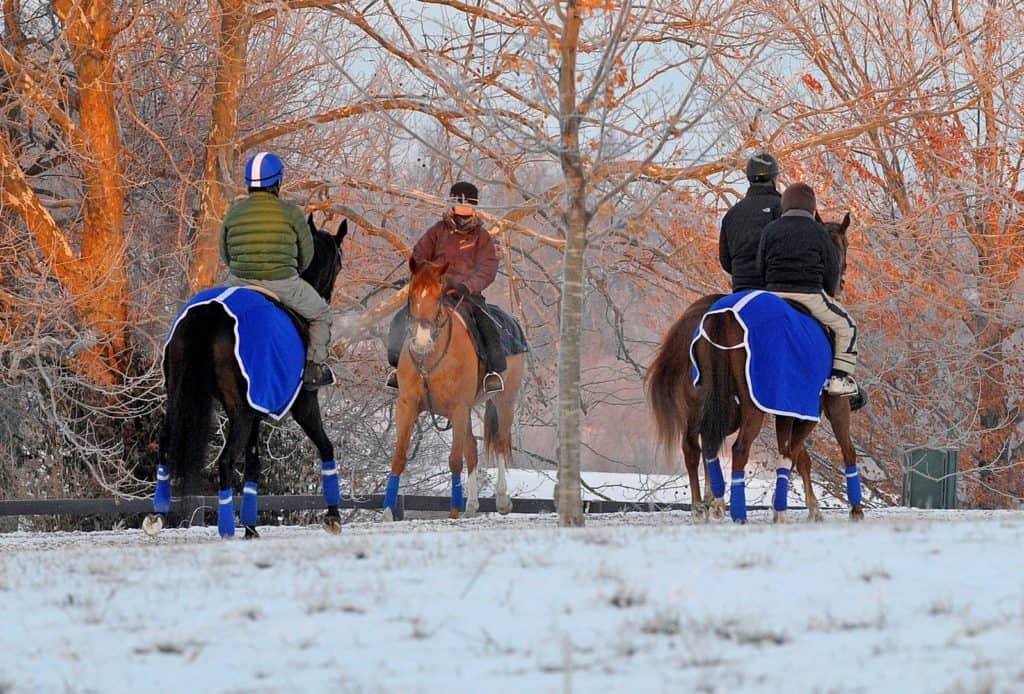
Find out why using coolers on horses post-exercise makes good sense, especially during cold weather.
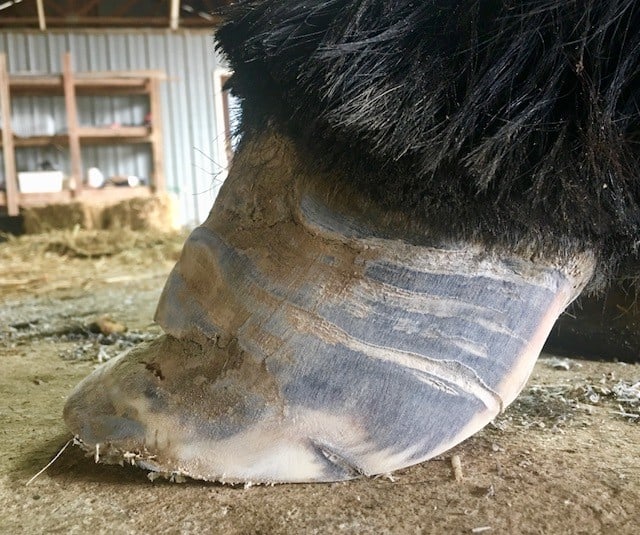
Also known as “buttress foot,” this condition primarily affects horses with poor leg conformation in high-impact disciplines. A veterinary podiatry expert explains.

Researchers found no apparent link between previous surgery and catastrophic injury, but they did identify associations with medication use and lameness.

Purchasing a horse is primarily about risk assessment, which is why prepurchase exams are so important. Here are some things to keep in mind.