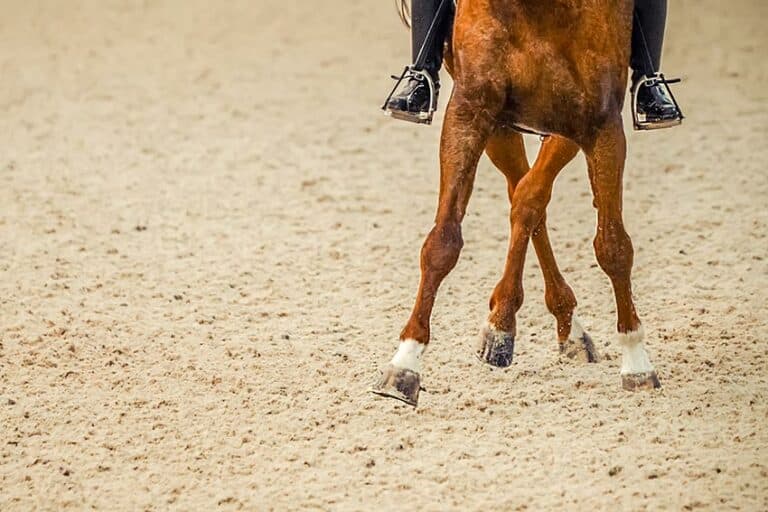
Can Improved Training Strategies Prevent Racehorse Injuries?
Managing the magnitude and frequency of limb loading is key to keeping horses—particularly racehorses—injury-free.

Managing the magnitude and frequency of limb loading is key to keeping horses—particularly racehorses—injury-free.

Researchers found a strong association between hind hoof balance and posture that could affect overall musculoskeletal health.

Often, a horse’s behavior problems are rooted in either pain or incomplete training. Here’s what to consider.

Learn about serum amyloid A and how veterinarians can use it for early identification of inflammation in horses.

A wide range of conditions can cause poor performance, but many cases circle back to lameness with a behavioral component.

Learn how to help your horse avoid joint problems such as osteoarthritis, osteochondritis dissecans, and joint flares. Sponsored by Hyaluronex Joint.

Here’s how to help your weanling foal transition to adulthood as smoothly as possible.

Researchers are redefining the muscular diseases long called “tying-up.” While they seem similar, the causes are different, and each requires specific management.

N-acetylcysteine and coenzyme Q10 supplementation appears to increase natural antioxidant levels in horses’ skeletal muscles.

Here’s what to know about horse inspections, which are designed to evaluate the horse’s fitness to compete.

Modifying training programs and monitoring lesion sites might help protect against PSB fractures in this population of horses.

Training horses in the spring and summer can present some challenges. Learn how your horse’s body adapts to exercise training, how he acclimates to spring and summer weather conditions, and what you can do to help him perform at his best.
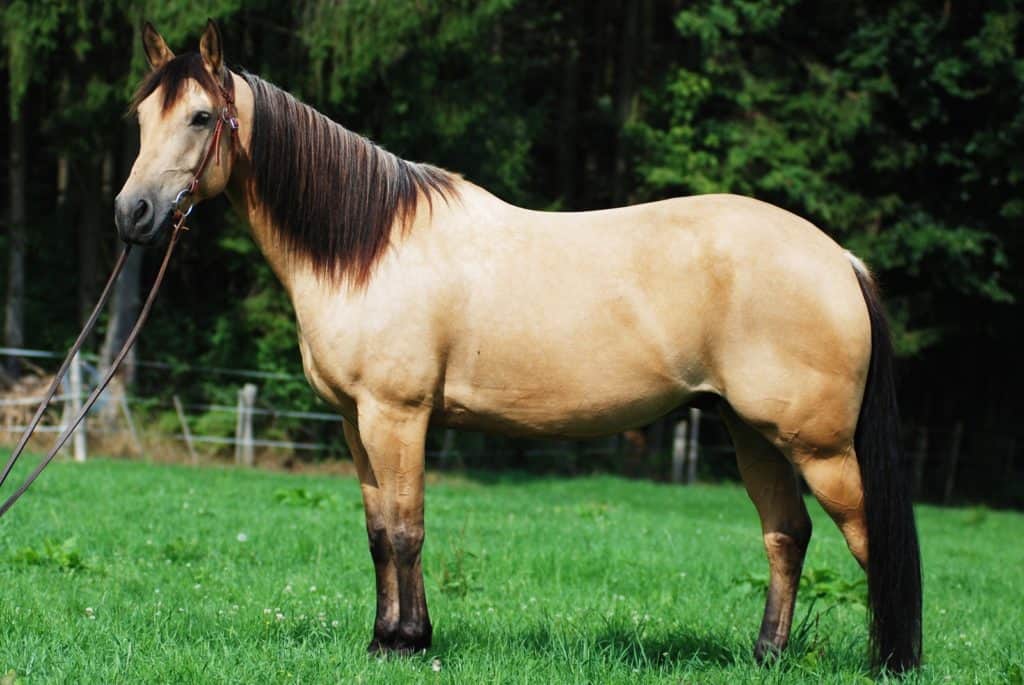
What impact do structural deviations really have on your horse’s soundness and performance? Here’s what you should know.

Researchers: Understanding the impact of early exercise on growing horses could help prevent bone fractures in the future.

Learn what veterinarians are doing to improve how they control equine pain.

Italian researchers found higher-placed haynets significantly shorten horses’ back muscles and change their jaw angles as they eat.