Effects of Bisphosphonates on Yearling Horse Joints
Researchers examine if clodronate exerts anti-inflammatory and chondroprotective effects on an articulating joint.

Researchers examine if clodronate exerts anti-inflammatory and chondroprotective effects on an articulating joint.

Over a 168-day study, scientists found this bisphosphonate drug might not significantly impact bone mineral density or microarchitecture in the tuber coxae of young horses.
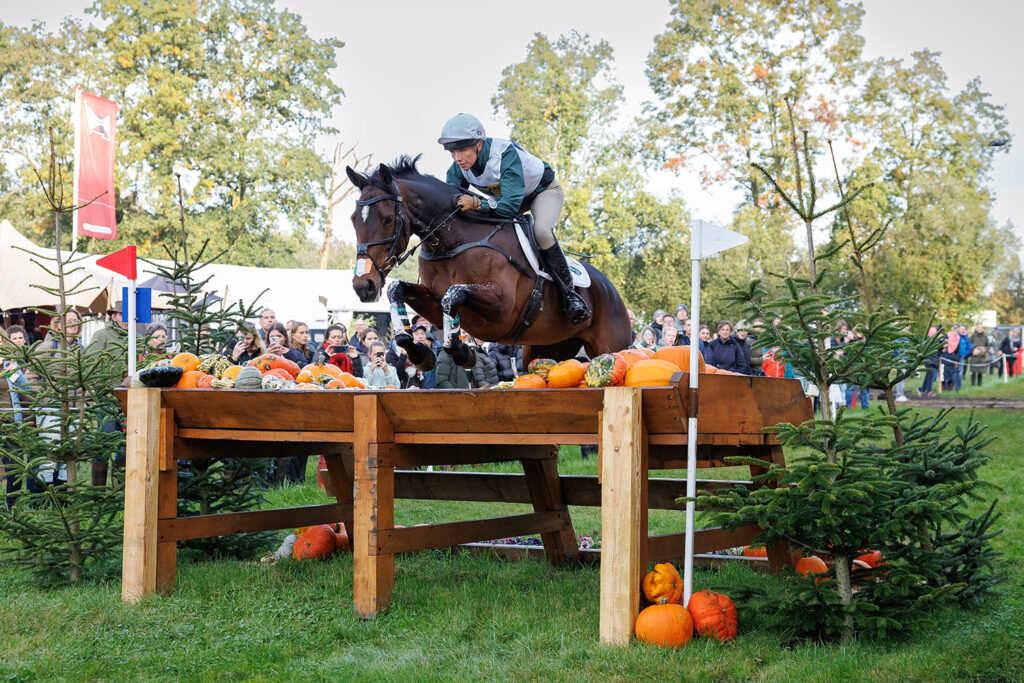
Nutritional strategies targeting oxidative stress and inflammation can help maintain cellular balance and support a horse’s long-term health and performance.

Scientists believe feeding horses a high-protein meal shortly after exercise could improve muscle health and growth; however, more research is needed.

Our sources share updates from the equine world to help you understand this exciting yet complex field of regenerative medicine.

These 6 steps can help transform your horse’s topline from underdeveloped to well-toned.
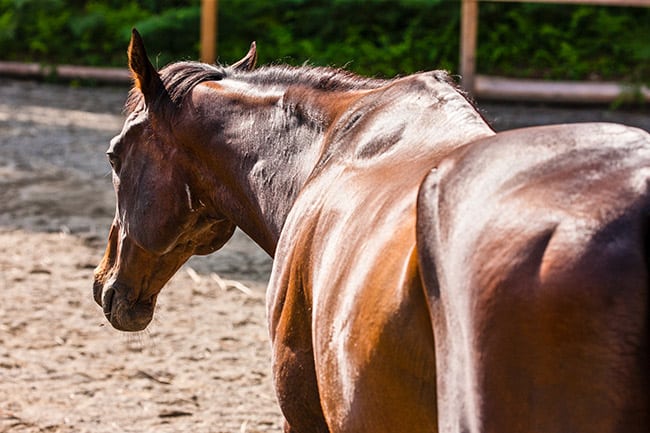
If you can see your horse’s ribs or his topline is lacking, he might need to gain weight or muscle. But how can you tell which he needs?
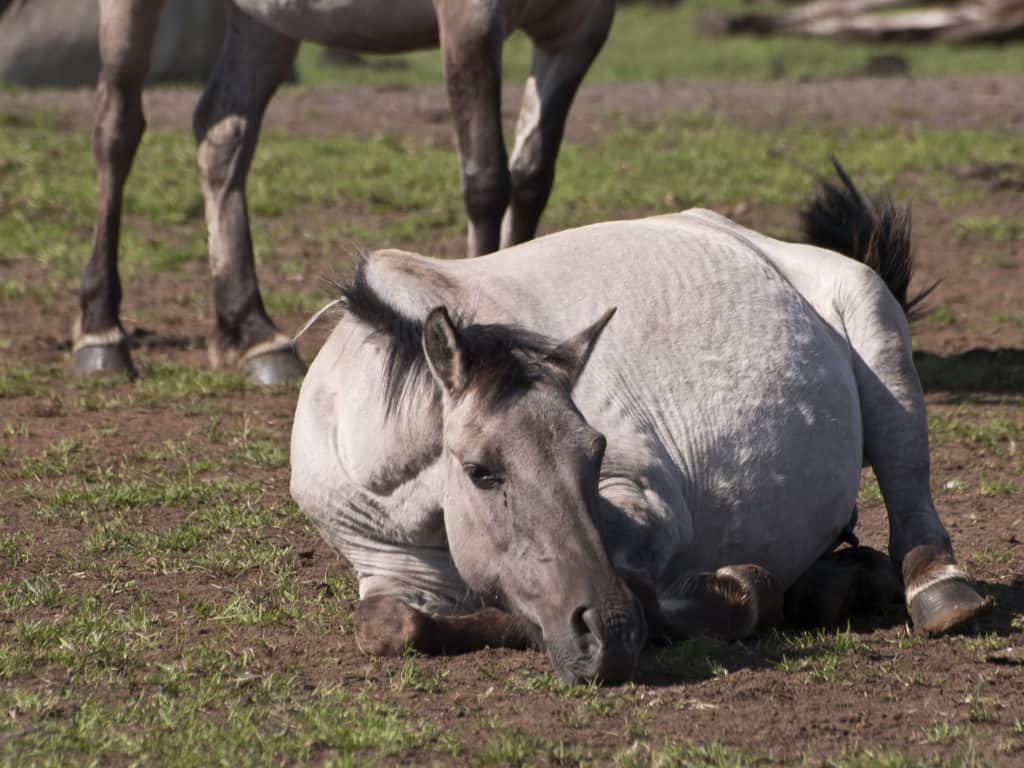
Many conditions besides colic can cause coliclike signs. And with colic, delayed treatment or misdiagnosis can have serious consequences. Here’s what you need to know.

A horse’s body has about 700 muscles. By understanding how muscles produce movement, you can formulate training and rehab strategies.

New research is shedding light on equine shivers, a poorly understood neuromuscular condition affecting horse movement and performance.

Sacroiliac problems can affect any horse, potentially limiting performance abilities.

There are right and wrong ways to bandage horses’ limbs, no matter the wrap’s purpose.

Find out how proper nutrition, including high-quality protein, could help improve muscling over your horse’s back.

With so many supplements to choose from, it’s important to know what options are effective. Here’s a look at supplement ingredients that are backed by science.

The steps you take to care for your horse both immediately after a competition and once you’re back home are important to his athletic longevity.

Learn about 5 reasons to use complementary therapies such as acupuncture and chiropractic for your horse and the research behind them.