Atrial Fibrillation a Heritable Trait in Standardbreds
Researchers found high degrees of heritability (up to 0.17), especially in male horses and in pacers.

Researchers found high degrees of heritability (up to 0.17), especially in male horses and in pacers.

Lameness was the most common issue ride vets found, but 48% of affected horses had no further vet exams or treatment.

Learn about diagnosis and management of navicular horses.
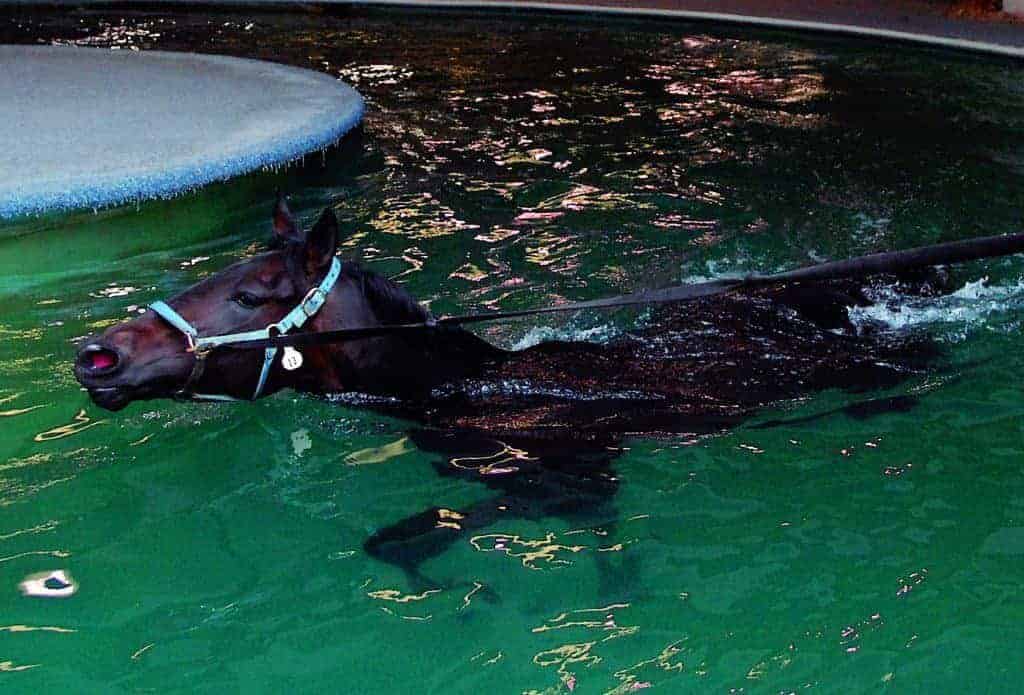
Low-intensity swimming could help maintain glucose and insulin levels without putting excess strain on horses’ limbs.

Researchers have determined that that some gastrointestinal lesions are more common in certain types of horses.
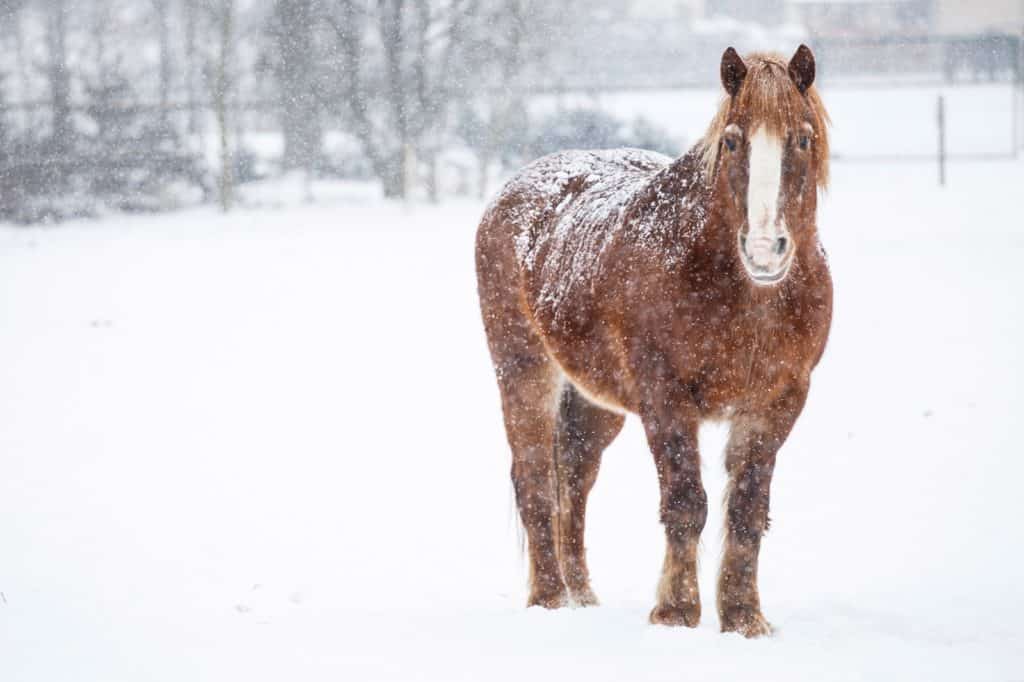
Take a look at how immunosenescence and its effects impact the way owners and veterinarians care for senior horses.

This part of the study details behavioral pain markers, including head tossing, unwillingness to go forwards, and more.

This racecard data will provide transparency for bettors and help generate data for equine health and welfare research.

Surgeon Dr. Brett Woodie covers ways vets can identify the causes of upper-respiratory issues in athletic horses.

The FEI and the University of Glasgow will further develop the Global Endurance Injuries Study.

Nearly 75% of horses in a recent study had significant motion asymmetry but were sound according to their owners.
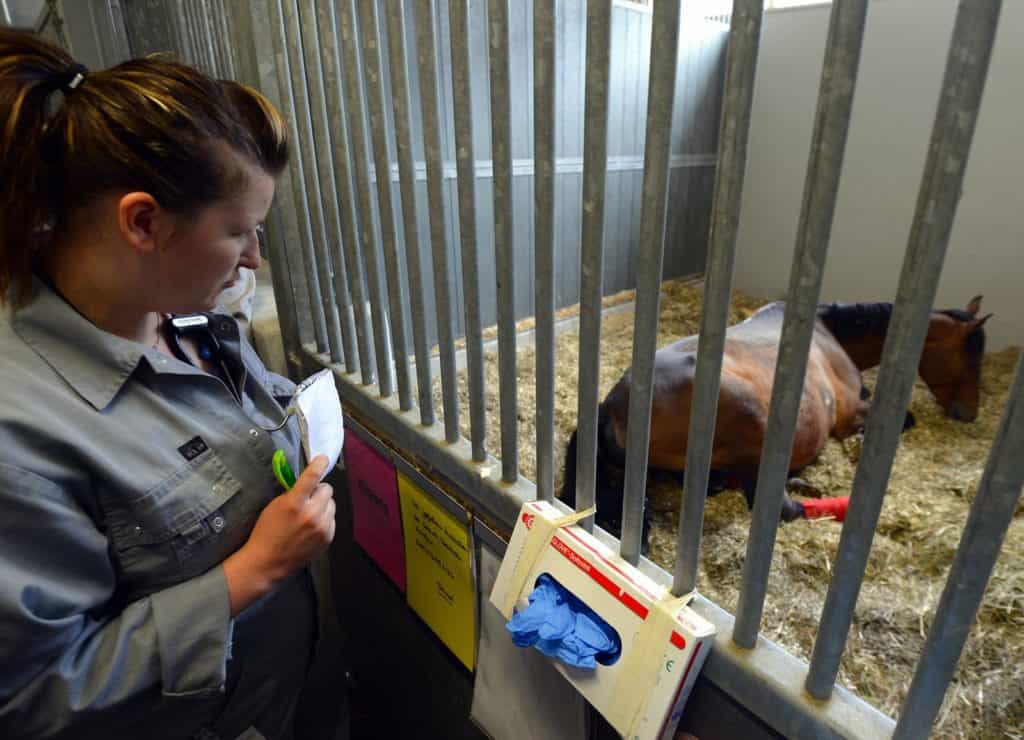
Resistant infections were most common in horses coming out of surgery and that have had previous antibiotic treatment.

Still, the researchers say they hope continued research on the topic will make equine gastric ulcers easier to diagnose.

Researchers found a similar prevalence of laminitis in Australian horses and ponies as in America and Europe.

The “Gaitkeeper” gene mutation has been linked to success in trotting races in Standardbreds.

Learn about the innerworkings of horses’ digestive tracts and how the bacteria that reside there impact health.