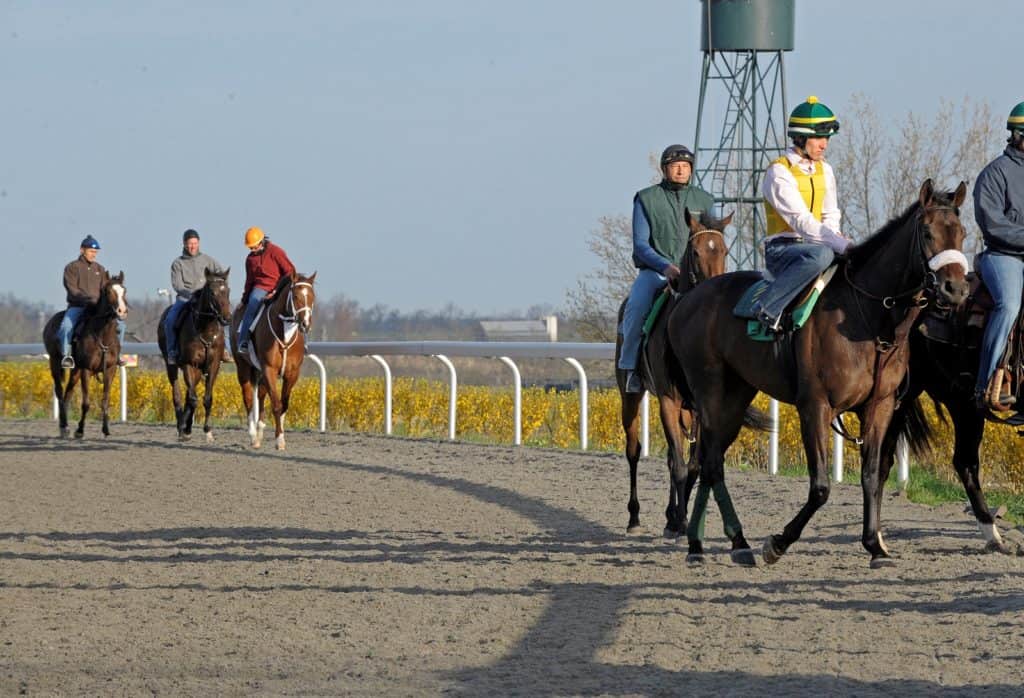
Surface Testing: Keeping Horse and Rider Safety in Mind
In this first part in a series on testing and maintaining equine competition surface, we focus on racetracks.

In this first part in a series on testing and maintaining equine competition surface, we focus on racetracks.

Both endoscopic techniques provide invaluable information and, in most cases, should be used together, one practitioner says.

Zinc-deficient horses can exhibit reduced growth rates, inappetence, and skin abnormalities, among other issues.

Vets discussed kissing spines, memory foam, English and Western saddle fit, rider weight, rein lameness, and more.

Vets can use a smartphone-based heart monitor to identify arrhythmias that are difficult to diagnose in the field.
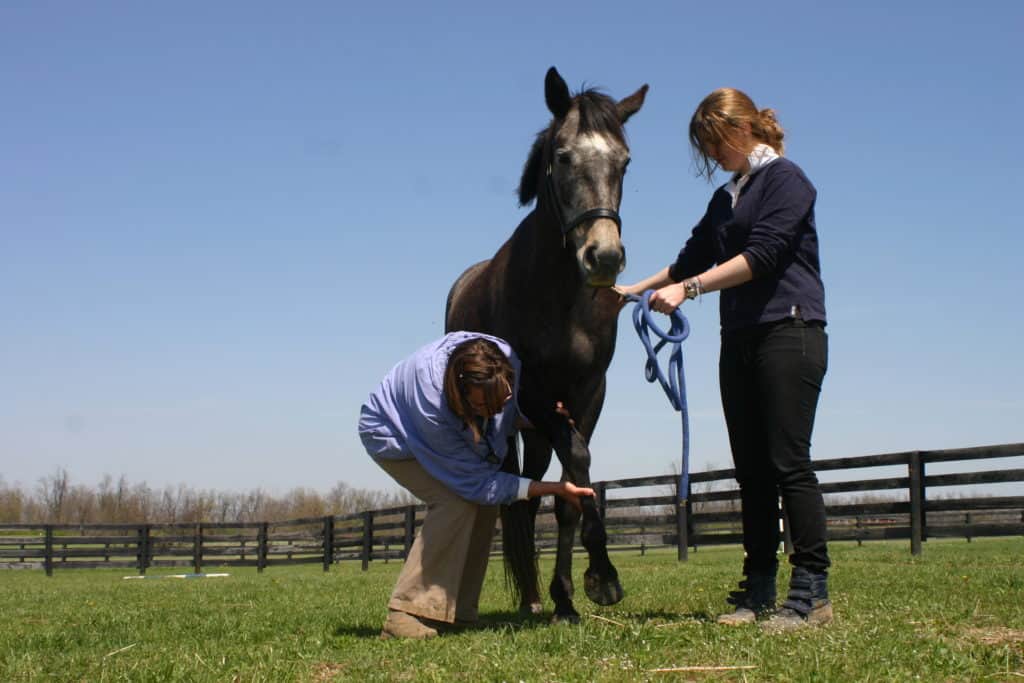
Diagnostic evaluation begins with a neurologic exam to localize the lesion and continues with more focused testing.
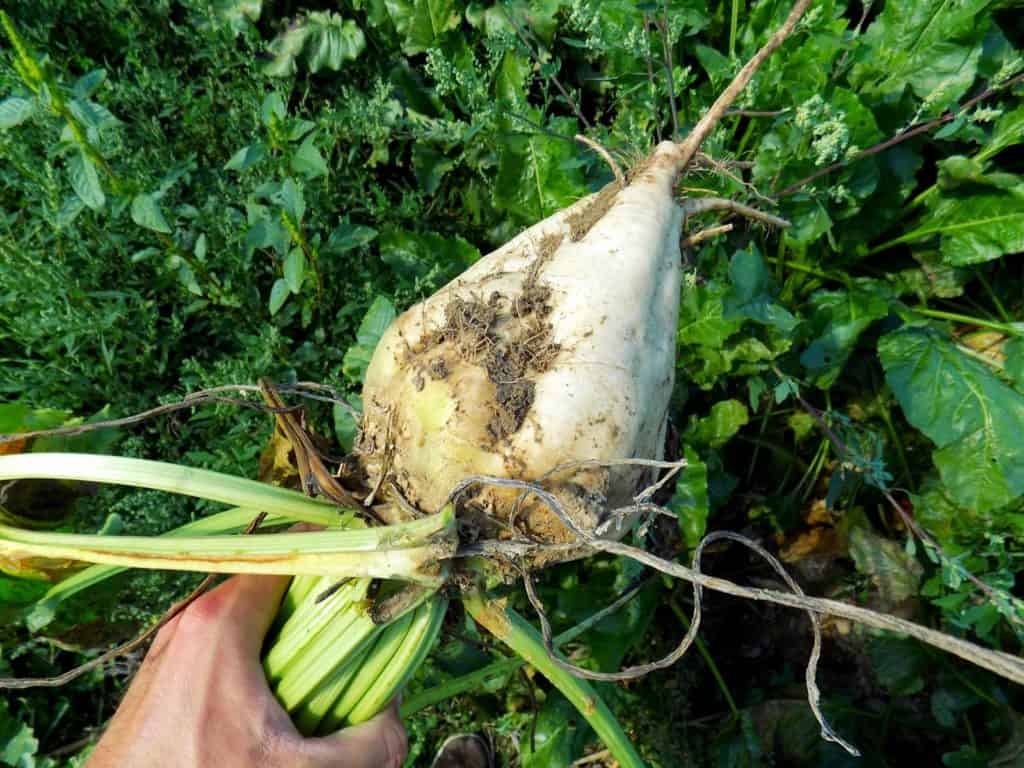
Is the sugar content in beet pulp too high for some horses? Read an equine nutritionist’s answer.

Oral atropine has been associated with slowed gastrointestinal movement, but researchers found no evidence of this with topical application.

Learn about keeping OTTBs healthy and happy as they move into new disciplines. We’ll cover feeding, vet care, handling, and more!

Get tips and information on considerations for choosing and transitioning racehorses for second careers.

Footing is one of the most common factors cited when a horse performs poorly or suffers an injury.

Here’s how veterinarians diagnosed and treated a Warmblood that stopped intermittently when working under saddle.
Presentation topics will include metabolic issues, breeding, melanoma, lameness in prepurchase exams, and more.

Veterinarians could be able to use this baseline data to identify prelaminitic changes in Arabian horses.

Articles on laminitis, colic, hoof abscesses, licking and chewing, and wound care are among the most-read in 2017.
Lecture topics will include parasitology, gastric ulcers, fescue management, respiratory conditions, and more.