Bone Development Before Birth in Horses
In horses bone development begins in the womb, but researchers are still working to understand the complexities of in utero bone growth.

In horses bone development begins in the womb, but researchers are still working to understand the complexities of in utero bone growth.
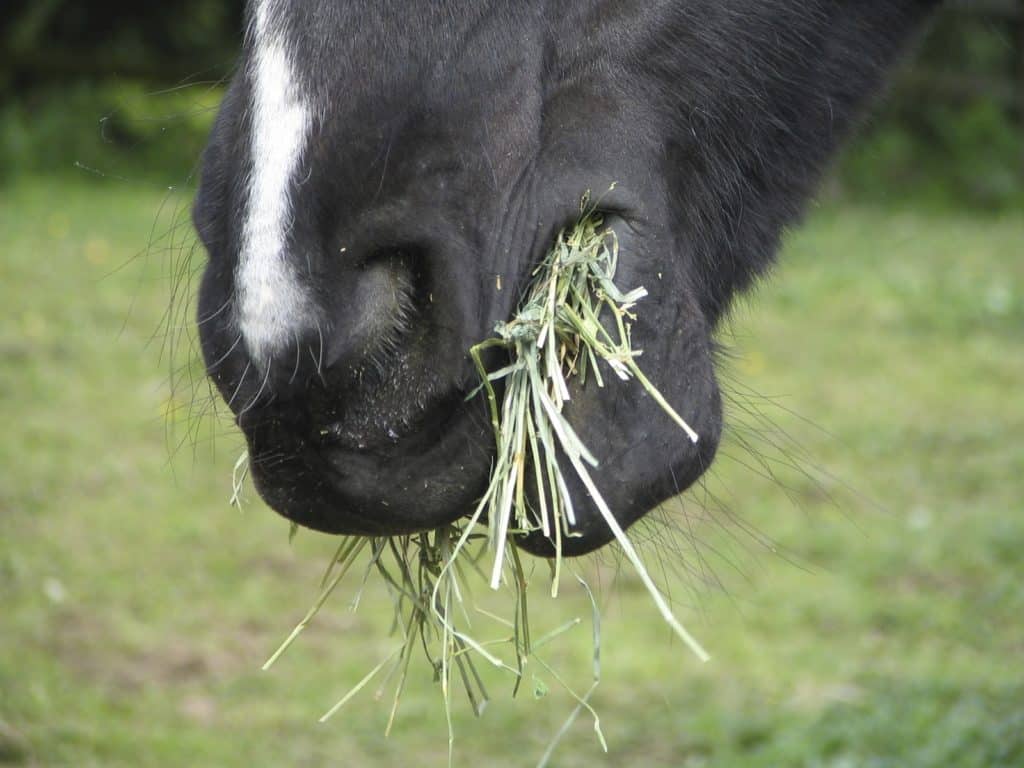
These findings help us better understand how and why horses’ teeth wear as they do, researchers said.

Once the biomarkers identified in this study are confirmed through more tests and larger samples, scientists might be able to develop treatments to prevent chronic pain, researchers said.
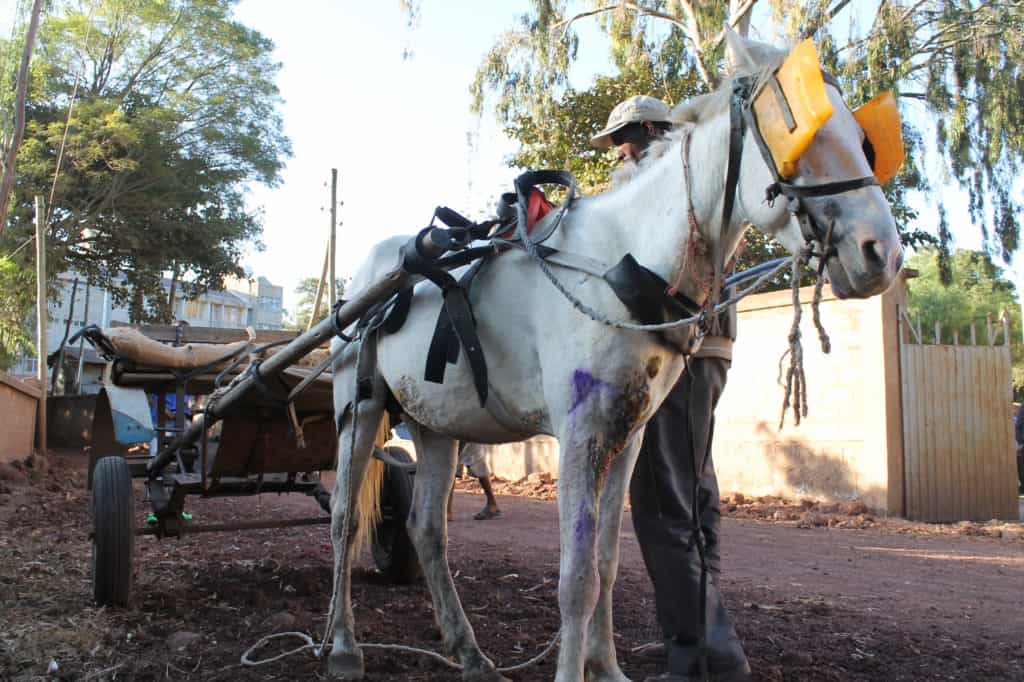
Colic incidence is relatively low, affecting only about 3% of the Kenyan equine population each year. But researchers say that figure doesn’t include many cases not reported to vets and treated with home remedies.

While every horse needs quality air to breathe, senior horses are particularly at risk for respiratory diseases.

Veterinarians have tools at their disposal, ranging from imaging to sample analysis, that can help pinpoint the cause of respiratory problems in sport horses.

Drs. Anthony Blikslager and Louise Southwood describe the reasons why older horses are at risk for colic.

Be familiar with the most common problems that can happen within 24 hours of foaling.

There’s been very little scientific study into sudden death in sport horses, but researchers recently reviewed a number of incidents with the ultimate goal of reducing the number of fatalities that occur.

Special maintenance and nutrition can help your horse get back to (and stay in) good health after a colic episode.

Researchers found that many horses not diagnosed with neck pain had bony changes in the cervical spine.

Understanding how pulmonary disease impacts performance can help veterinarians diagnose and treat issues that could be impairing horses’ athleticism.

Horses with myositis experience rapid, widespread gluteal and epaxial muscle atrophy. Here’s what veterinarians know about about this immune-mediated condition.

Recent study results suggest heart rate monitoring can allow trainers to assess workloads and adjust training for improved conditioning and race outcomes.

The ACVIM published a new consensus statement on treating, controlling, and preventing strangles in horses.

Recent study results suggest competitive riders would be much more inclined to use technology to keep track of their mounts’ biometric data than recreational riders would.