What Happened at the 2018 WEG Endurance Championship?
The ill-fated WEG endurance competition was abandoned amid delays, disruptions, and dangerous heat. Here’s a look back at what went wrong.

The ill-fated WEG endurance competition was abandoned amid delays, disruptions, and dangerous heat. Here’s a look back at what went wrong.
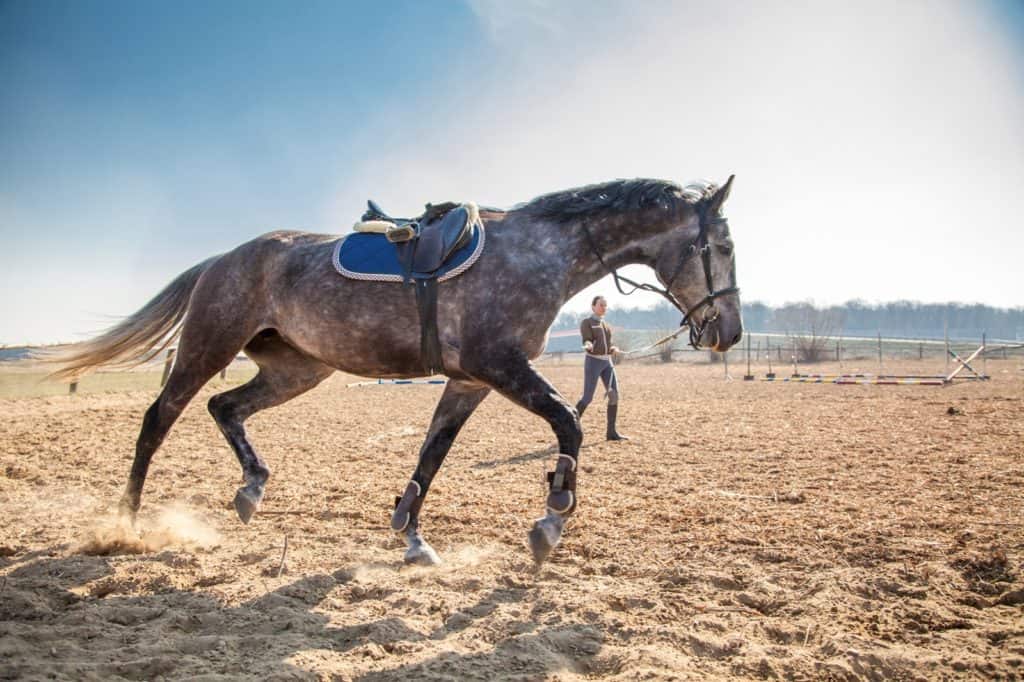
This common exercise modality can be surprisingly risky; learn how to keep your horse—and yourself—safe.

Read some of the top tweets and take-homes on topics such as lameness, equine obesity, laminitis, and more from the 2018 British Equine Veterinary Association Congress.
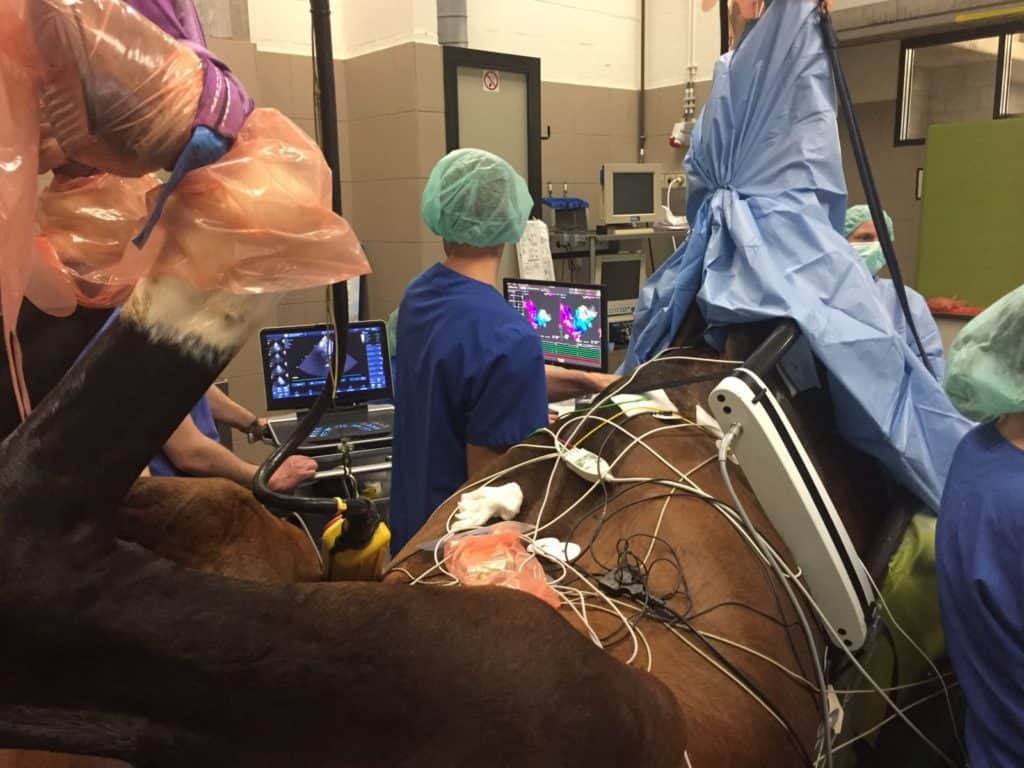
Belgian veterinarians have successfully completed the first cardiac ablation—a procedure used to correct irregular heartbeats—performed in a horse. Diamant, a 5-year-old Norwegian show jumper, came through the four-hour operation with no difficulties.
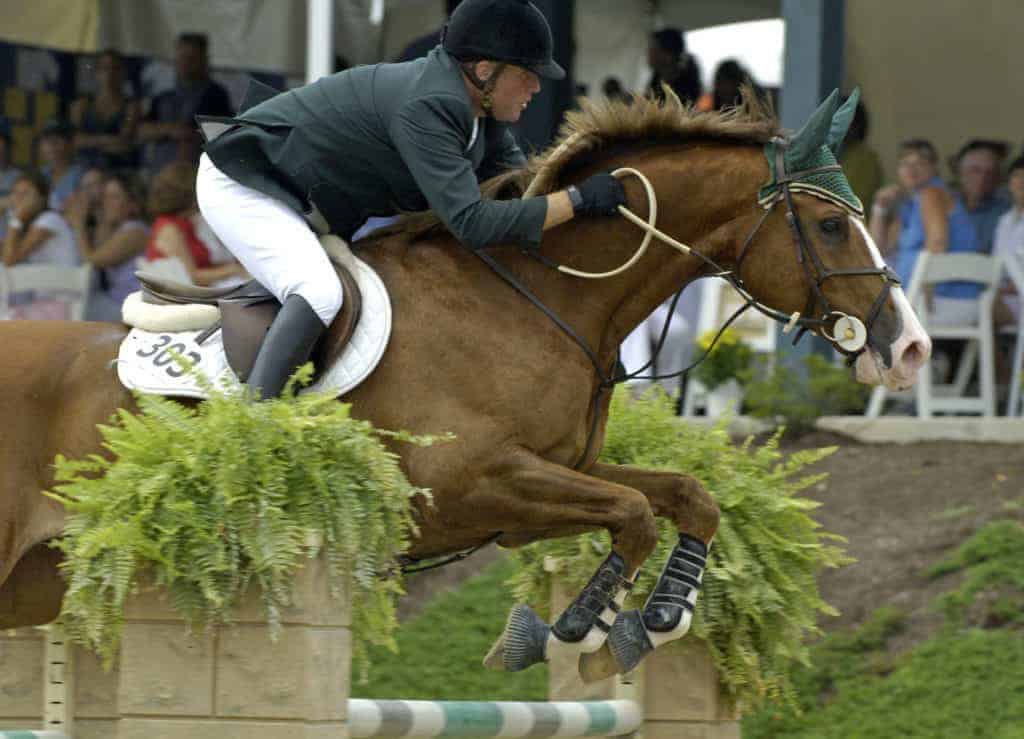
Good footing, proper conditioning, balanced nutrition, and careful attention to joints and soft tissues are key to maintaining eventers, hunter/jumpers, and dressage horses.

Take steps to manage your horse’s weight and behavior while he’s cooped up.
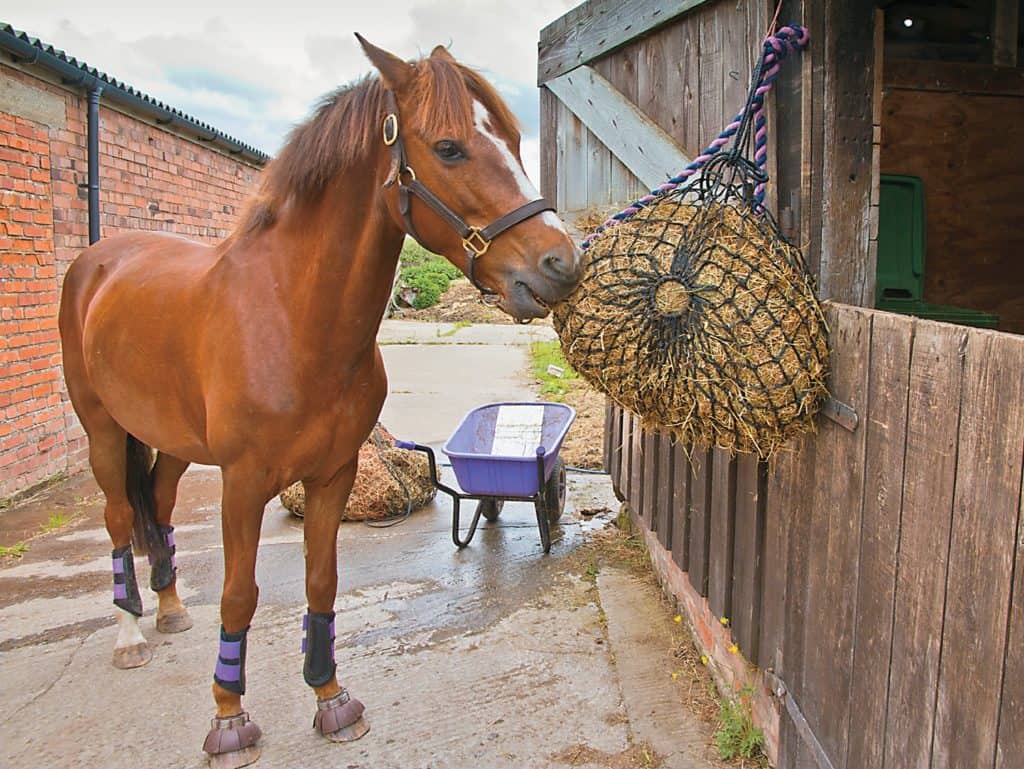
Common feeding practices could be causing your horse’s stomach acid levels to rise.
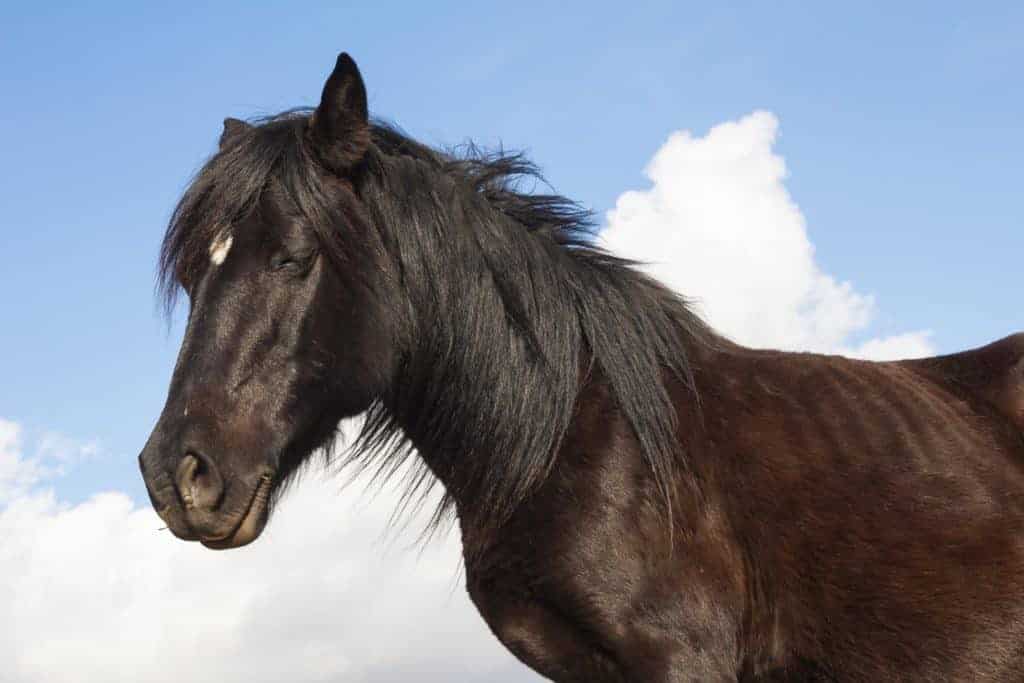
Horses that don’t compete aren’t immune to gastric ulcer formation. Here’s what to watch for.

In recent years, veterinarians have started observing pathologic fractures, which are caused by a weak bone structure, in horses with PPID.
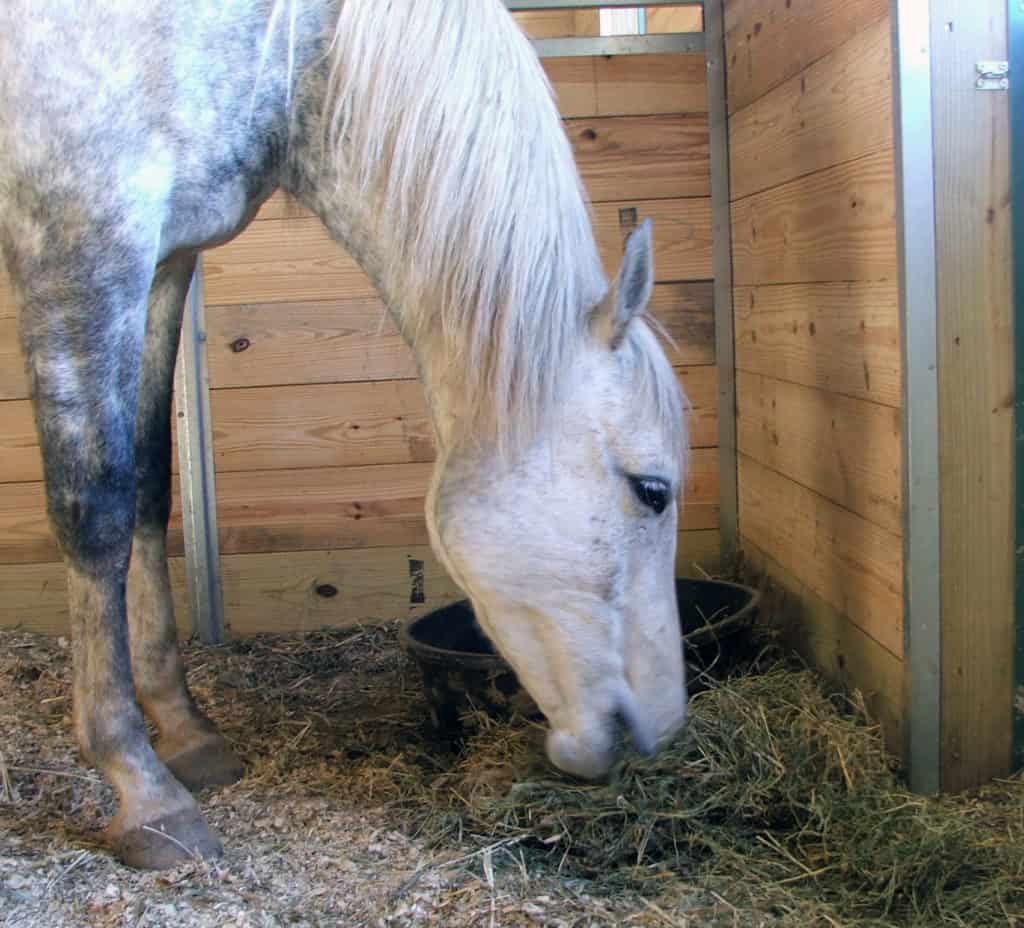
A brief period of fasting prior to omeprazole administration could help maximize drug absorption and, thus, efficacy.

Laminitis causes crippling lameness associated with intense pain that shortens horses’ athletic careers. Download this fact sheet to learn more about recognizing, treating, and preventing laminitis in horses.
What do probiotics and their counterparts–prebiotics–do for horses? Here’s what the current research says.

Recent research suggests that bone scans in horses aren’t always accurate in diagnosing causes of lameness and poor performance in sport horses when used alone.

Magnesium, an important macromineral found in most feedstuffs, plays integral roles in muscle contraction, skeletal growth, and a variety of enzyme systems, such as those involved in energy production.

Members of the Royal Veterinary College’s Structure and Motion groups highlight the need for further farriery research in the Equine Veterinary Journal editorial.

Horse are especially sensitive to endotoxemia. To address the issue, Dr. Stacy Anderson of Lincoln Memorial University, in Harrogate, Tennessee, presents her research on neutrophil apoptosis (the death of cells that occurs as a normal and controlled part of an organism’s growth or development) in horses.