Mineral of the Month: Phosphorus
Phosphorus is the second most abundant mineral in the horse’s body; about 80% of it is found in horses’ teeth and skeleton.

Phosphorus is the second most abundant mineral in the horse’s body; about 80% of it is found in horses’ teeth and skeleton.

In the first of this two-part series, we’ll explore full-body rehabilitation options, from the horse’s head to tail.
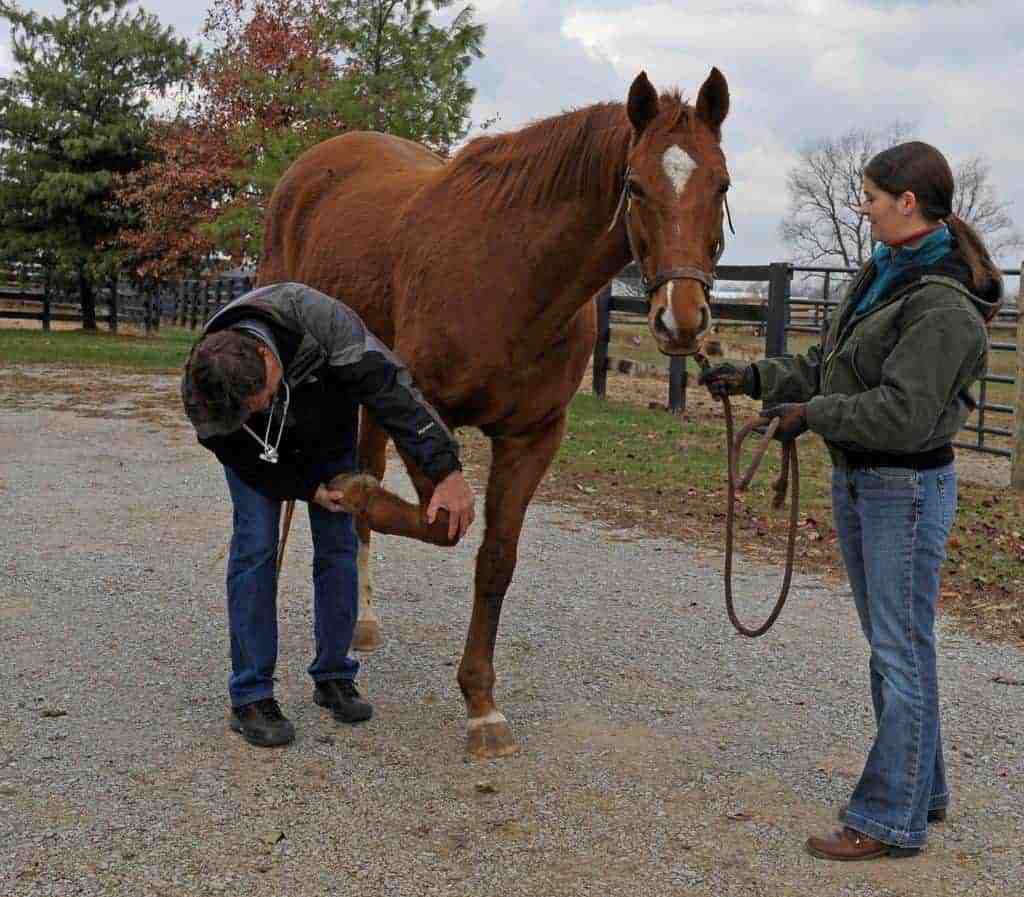
A vet weighs in on what might cause a well-conformed senior mare to become over at the knee and fall during a ride.
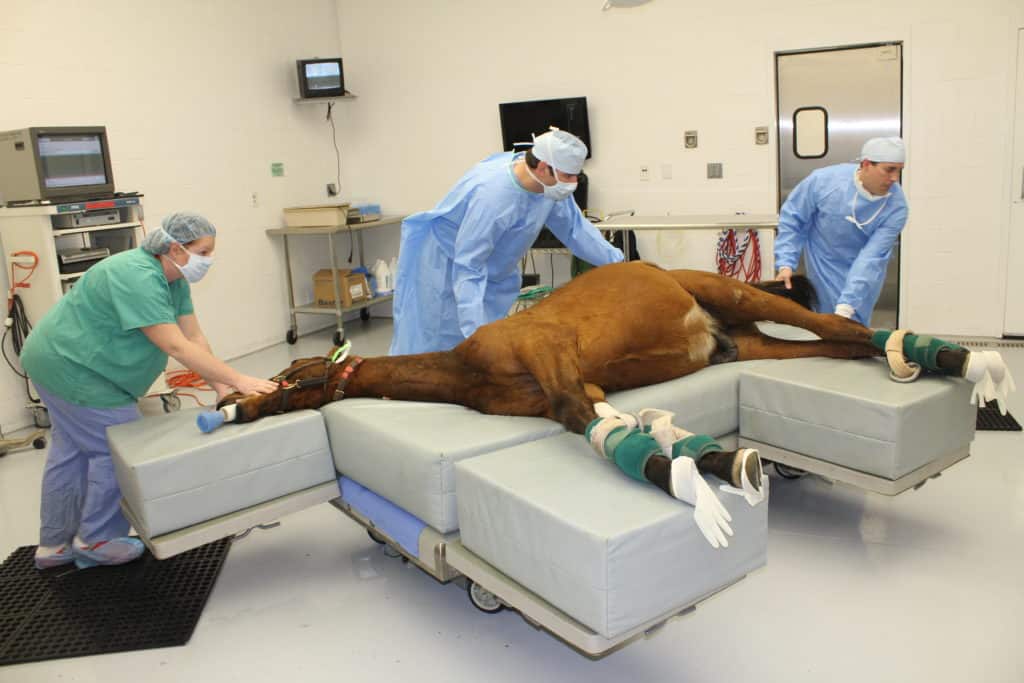
Irish scientists recently tested a new OCD repair method that’s based on the idea of replacing the damaged tissue with healthy tissue.

Are breathing issues slowing your horse down? Here are some surgical and management options that might help.

Look for equine respiratory health content during Respiratory Care Awareness Week, which takes place October 22-26, 2018.

Find out how long it takes for a horse to be protected from disease after vaccination. Dr. Elizabeth Davis explains.
Find out from Dr. Elizabeth Davis how vaccines prime the immune system and why some horses might still get sick.

While some species develop a local immune response, sending special protective cells to the uterus itself, mares don’t, researchers learned recently. Rather, they appear to send those cells elsewhere as soon as semen enters the uterus. Where they go, nobody knows (yet).
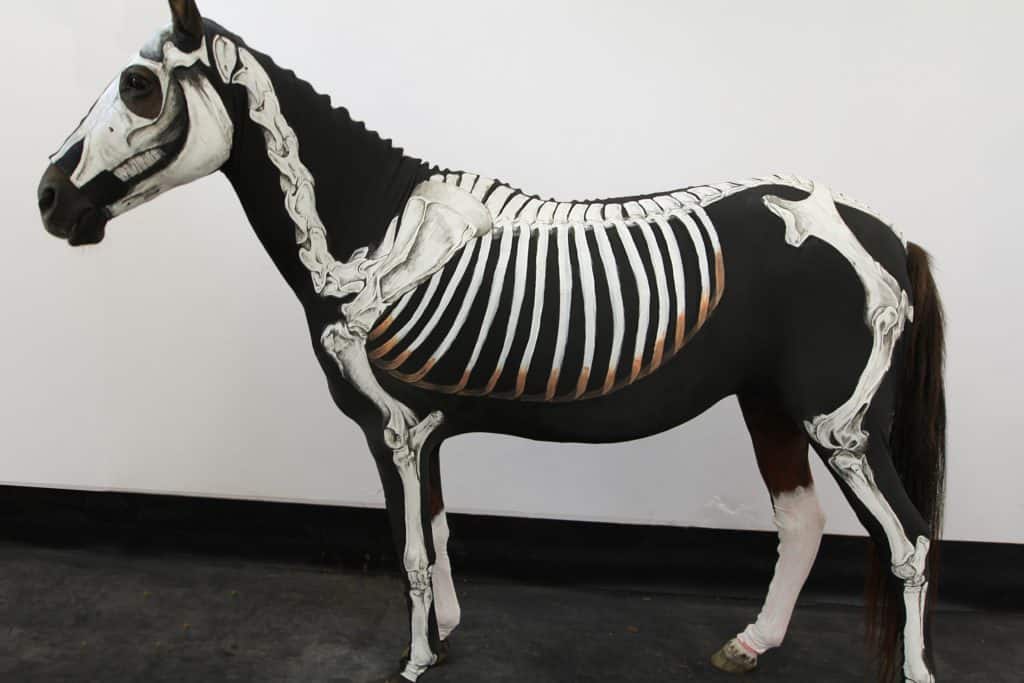
The garments—depicting bones, muscle groups, and more—can help veterinary students, chiropractors, and even owners and riders better understand the structures hidden under horses’ skin, researchers said.

There’s not one particular approach for rehabilitating injured joints. Here are a few of the options vets have to use.

Equine researchers have begun studying the concept of whole-body inflammation because of its links to a variety of health problems, including “leaky gut syndrome”; musculoskeletal injury risk; and equine metabolic syndrome, insulin resistance, and laminitis.

Bare pastures and potential hay shortages, coupled with winds blowing seeds from laden sycamore trees, have created the “perfect storm” to increase the risk of atypical myopathy in grazing horses in Britain, BEVA warns.

Certain muscular disorders, such as HYPP and PSSM, are common in horses because breeders have selected for specific traits, including enhanced muscle mass and metabolism economy.

The theory is that when the polyurethane pour-in packing absorbs the shock from the hoof impacting the ground, it prevents it from traveling further up the musculoskeletal system, where it could cause wear and tear injuries.

Researchers know that feeding horses ground endophyte-infected tall fescue results in palmar artery vasoconstriction, so scientists tested whether broodmares could experience decreased blood flow to the uterus, which could negatively impact their foals.