Managing Club Feet in Adolescent Horses
Recognizing and treating club feet in young horses can help them succeed in their intended discipline and, ultimately, prevent lifelong hoof complications.

Recognizing and treating club feet in young horses can help them succeed in their intended discipline and, ultimately, prevent lifelong hoof complications.

How does a trainer explain a retired racehorse’s previous injury to a potential buyer? Two veterinarians and a three-day eventer weigh in.

Anecdotally, we know that hoof anatomy influences horse soundness and movement, but researchers are working to put science behind that relationship. Here’s what they’ve learned so far.

A systematic approach to examining the equine foot can help veterinarians identify causes of lameness more quickly and accurately.

Is your horse’s clumsiness a simple matter of long toes and uneven ground, or is a career-limiting condition to blame?

Consider these tips to help protect your horse’s breathing zone and most effectively achieve optimal respiratory health this winter.

Attention to certain details during exams and careful consideration of test results can help a veterinarian arrive at a diagnosis, making way for an appropriate management.

As much credit as we give horses for their metaphorical hearts, the actual blood-pumping organs generally get far less attention than other bodily systems. Take an in-depth look at the cardiovascular exam, common cardiac abnormalities, and treatment options.

Researchers recently identified a link between hind-limb lameness and coffin bone angles, which they said has not been previously described in horses.
Your horse needs a strong immune system to stand up to the challenges that come with living outdoors, commingling with other equids, and more. Critical to that immune system are infection-fighting proteins called antibodies (immunoglobulin G, or IgG). How much do you know about your horse’s IgG levels?
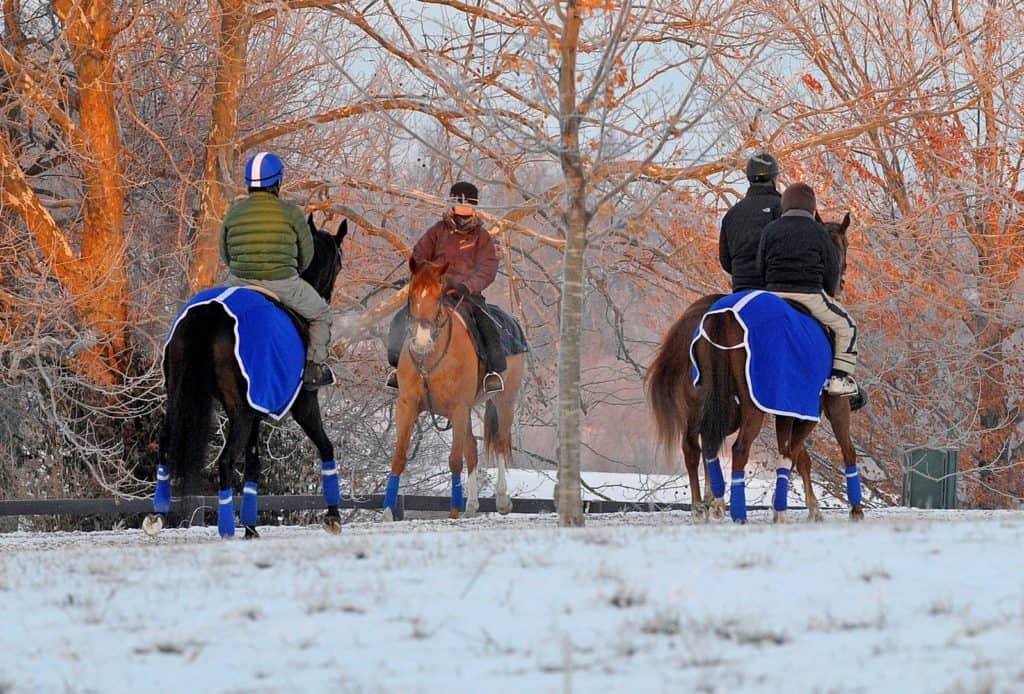
Find out why using coolers on horses post-exercise makes good sense, especially during cold weather.
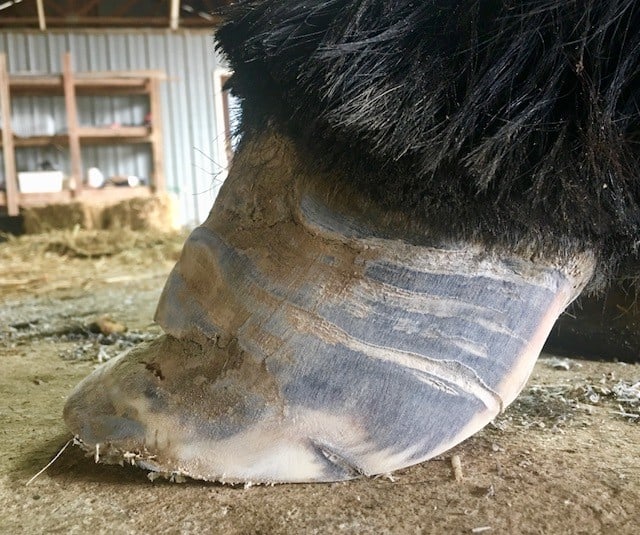
Also known as “buttress foot,” this condition primarily affects horses with poor leg conformation in high-impact disciplines. A veterinary podiatry expert explains.

Researchers found no apparent link between previous surgery and catastrophic injury, but they did identify associations with medication use and lameness.

Purchasing a horse is primarily about risk assessment, which is why prepurchase exams are so important. Here are some things to keep in mind.

A recent comparison of diagnosis and treatment of back pain in horses a decade apart has highlighted the way riders and veterinarians alike have evolved in their awareness and management of this condition.

Researchers found that hoof balance changes rapidly during the first few weeks of a foal’s life.