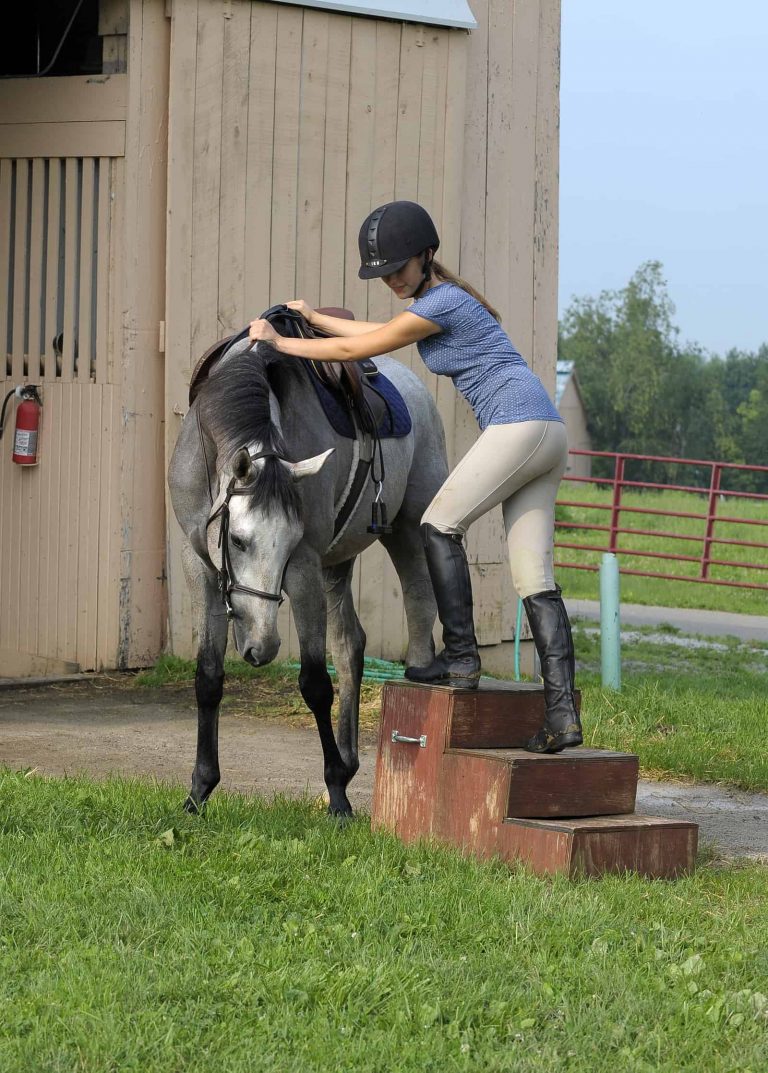
Food for Thought: Are Feeding Practices Hurting Your Horse?
Are your feeding practices doing more harm than good? Experts share four ways to improve your horse’s digestive health.

Are your feeding practices doing more harm than good? Experts share four ways to improve your horse’s digestive health.

What’s the long-term prognosis for a horse diagnosed with a fractured pelvis?

Researchers say the mutation responsible for the sometimes-fatal muscle condition immune-mediated myositis (or IMM) is just as common, if not more so, than at least two other well-known genetic diseases in Quarter Horses: HERDA and HYPP.

Infection can cause serious illness in neonates. Make sure your newborn receives enough disease-fighting antibodies from his dam’s first milk.

Some horses with neuromuscular disease could have a protozoan parasite Sarcocystis fayeri in their skeletal muscles, researchers learned.

Proper nutrition is critical for growth and development. Learn the right way to feed your foal.

Veterinarians often prescribe medications to control acute and chronic clinical signs of disease, along with recommending environmental changes to limit asthmatic horses’ exposure to inhaled allergens. What do owners think of these sometimes time-consuming and expensive suggestions?

Many factors affect your horse’s ability to mount an effective immune response, one of which is his age. Learn more about the horse’s immune system and how it functions at every stage of his life.

Take a look at how adding studs to horseshoes can help horses navigate less-than-ideal footing.

The ongoing Equine Respiratory Biosurveillance Program revealed new information on infectious respiratory disease threats, including EHV-1 and EHV-4, influenza, S. equi, equine rhinitis A/B viruses, and more. Here’s what you should know.

Experts share information about the steps needed to identify PSSM, how to distinguish between the types, and recommendations for managing affected horses.

Is it cause for concern if a horse lies down frequently?

Why does a horse’s hooves grow faster than his stablemates’ that are on the same diet and exercise schedule? A veterinarian who’s also a farrier shares his thoughts.

Researchers identified upper respiratory tract disorders, many of which aren’t common in other horse types, in 92% of the competition draft horses they examined.

Researchers confirmed that ultrasound is a useful and economical screening tool to identify humeral stress fractures and can be used with radiography to monitor healing.

Multiple hoof-related factors can affect a horse’s performance—including balance, trim, shoes, pads, support materials, and more. Here’s how farriers can help a horse reach his potential.