A Beer for Our Horses
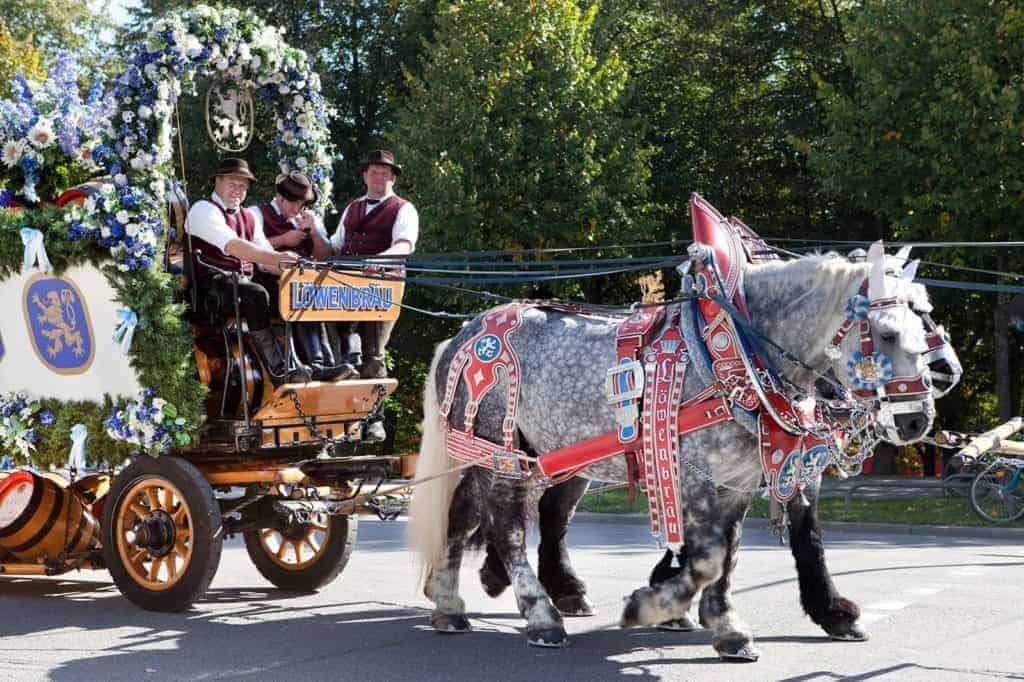
With Oktoberfest in full swing, we started to wonder: Is the racetrack tradition of giving horses beer a good idea?

With Oktoberfest in full swing, we started to wonder: Is the racetrack tradition of giving horses beer a good idea?
Tweets and take-homes from Day 1 educational sessions at the 2017 British Equine Veterinary Association Congress.
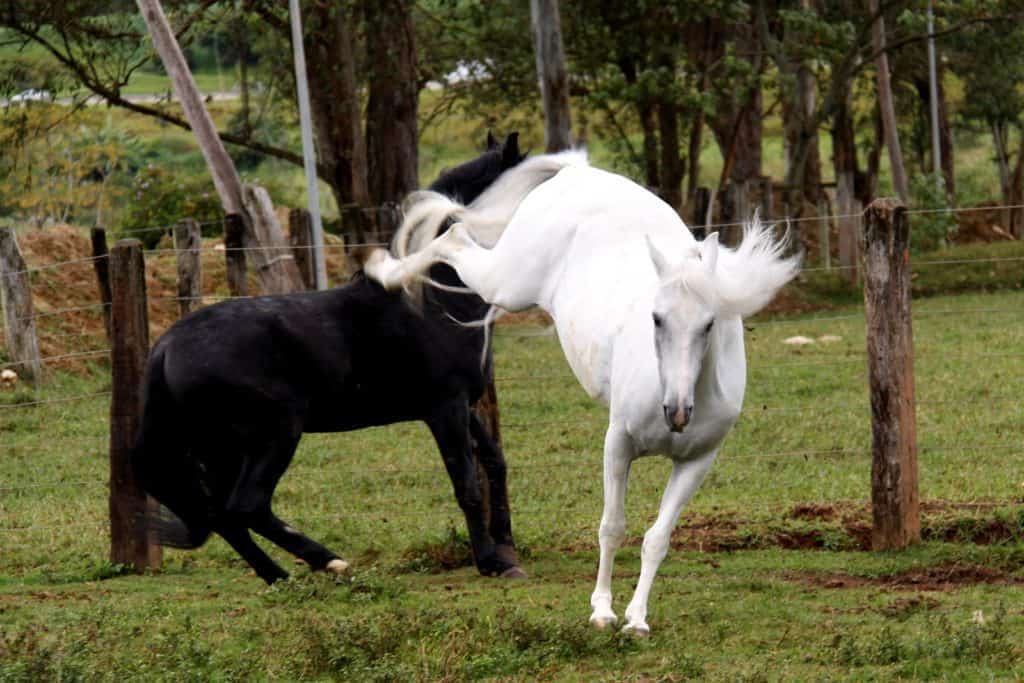
Knowing those forces could pave the way for safer stables and interactions with (and between) horses, researchers say.
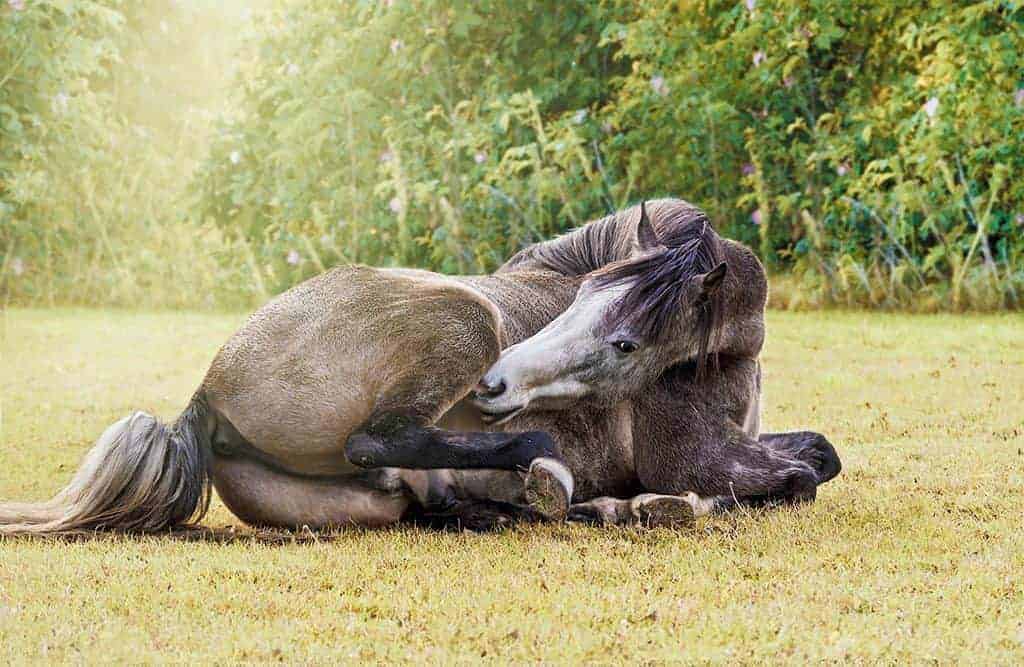
What might cause a horse to scratch or drag a leg while he’s lying down?
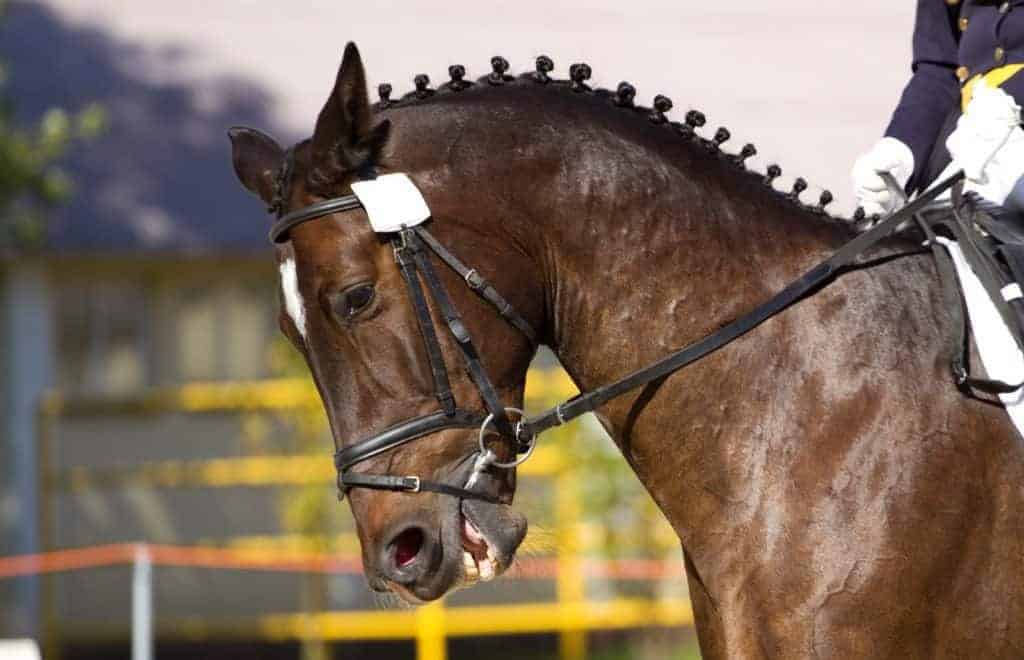
Mouth-gaping caused by bit pain could make it difficult for horses to breathe, researchers say.

Objective measurements can lead to more targeted therapy and provide a basis for comparison as the horse improves.
Veterinarians and researchers are on an ongoing mission to reduce the number of racehorse injuries and deaths during racing and training.

One veterinarian describes how she handles these dangerous bites in horses.
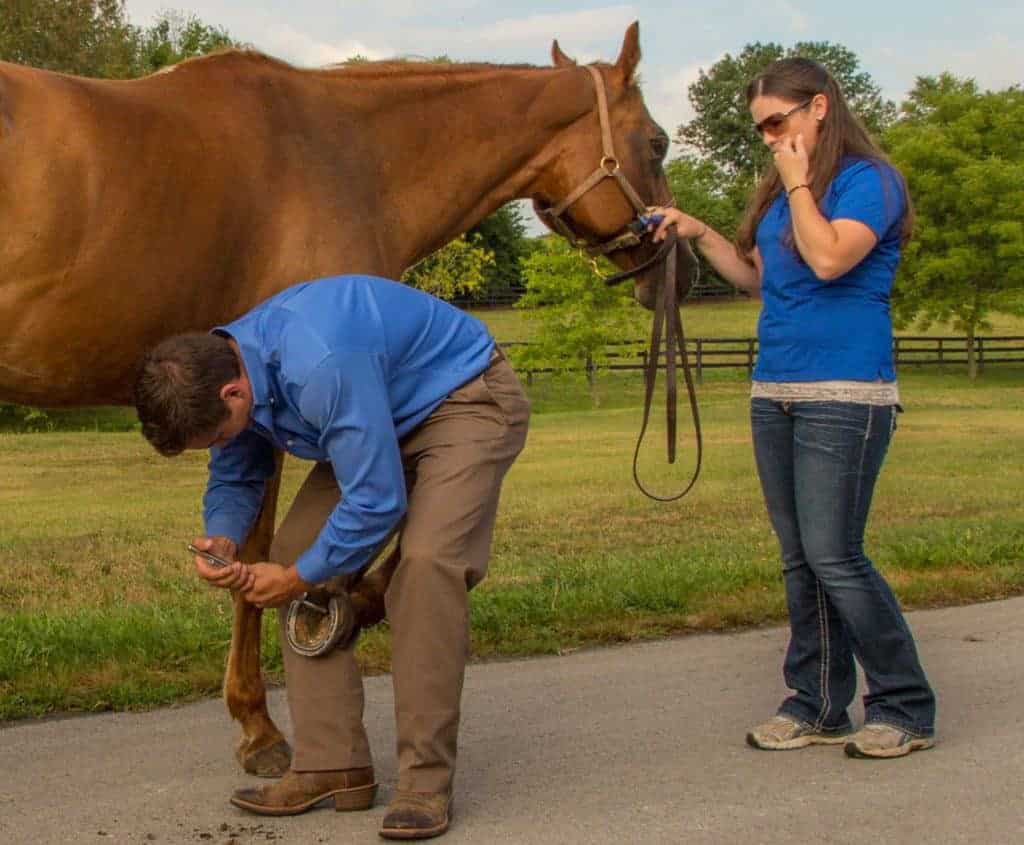
Of the 755 respondents, 209 (28%) said foot-related lameness is their biggest equine lameness concern.

Horses’ oxygen consumption and cardiac output decreased by an average of 24% and 9%, respectively, when going downhill.

A recently developed scoring system can help veterinarians make treatment recommendations, researchers say.

Researchers are discovering how the vast and varied microbes in the horse’s gastrointestinal tract impact equine health.
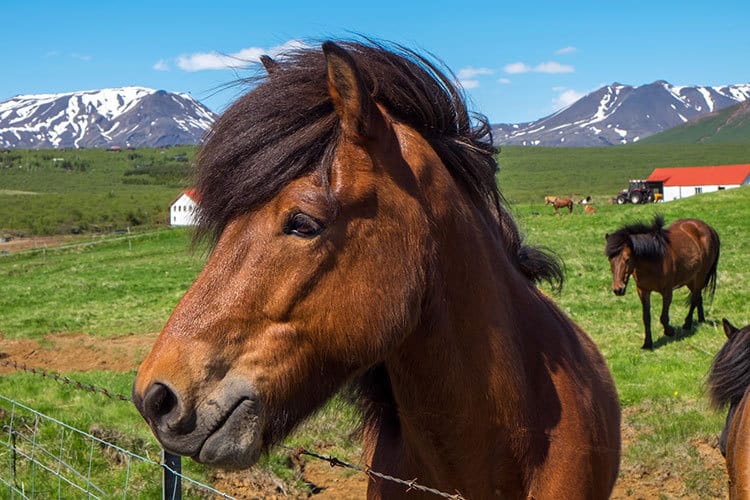
A specific strain of S. zooepidemicus was likely behind the horses’ coughing and nasal discharge.

Changes in force distribution, combined with saddle fit, have a big impact on equine back health, for better or worse.

Veronica Bill is studying the relationship between forage chemical composition and equine digestion and nutrition.

Scientists say Friesians benefit from specific exercise regimens and warmups based on their anaerobic threshold.