Feeding to Prevent Colic
Horses are more prone to digestive upset than other domestic animals because of how their GI tract functions.

Horses are more prone to digestive upset than other domestic animals because of how their GI tract functions.
The standards were reviewed and modified at the ARCI’s equine welfare and racing integrity conference in April.

The goal of medical management centers around breaking the associated pain cycle and reestablishing proper GI function.
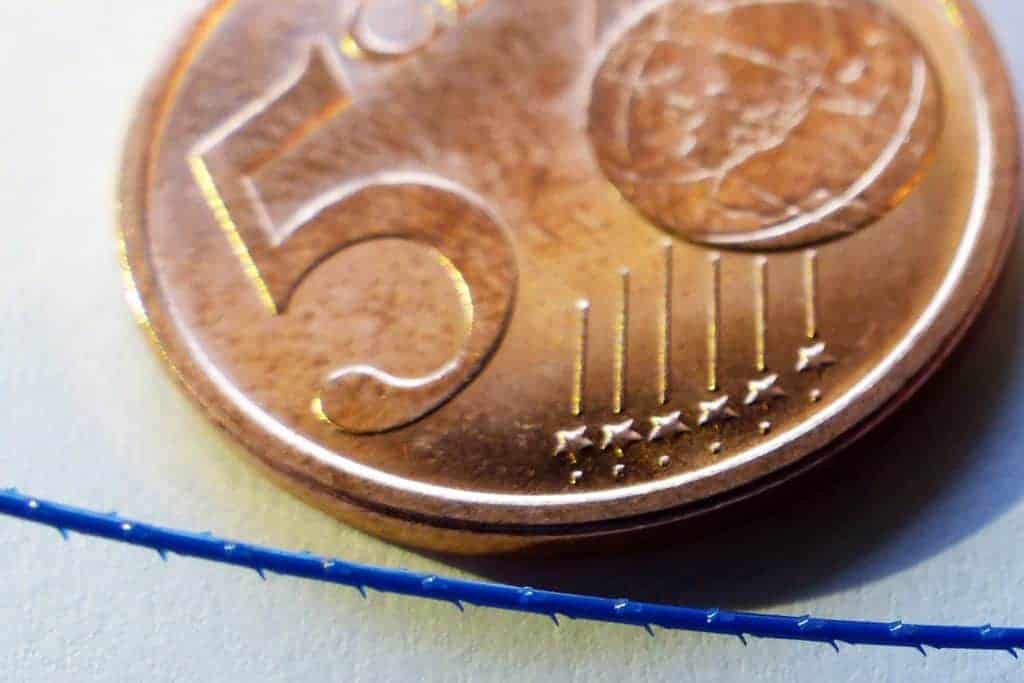
Barbed sutures eliminate the need for knot-tying and distribute tension on the suture line more evenly, researchers say.
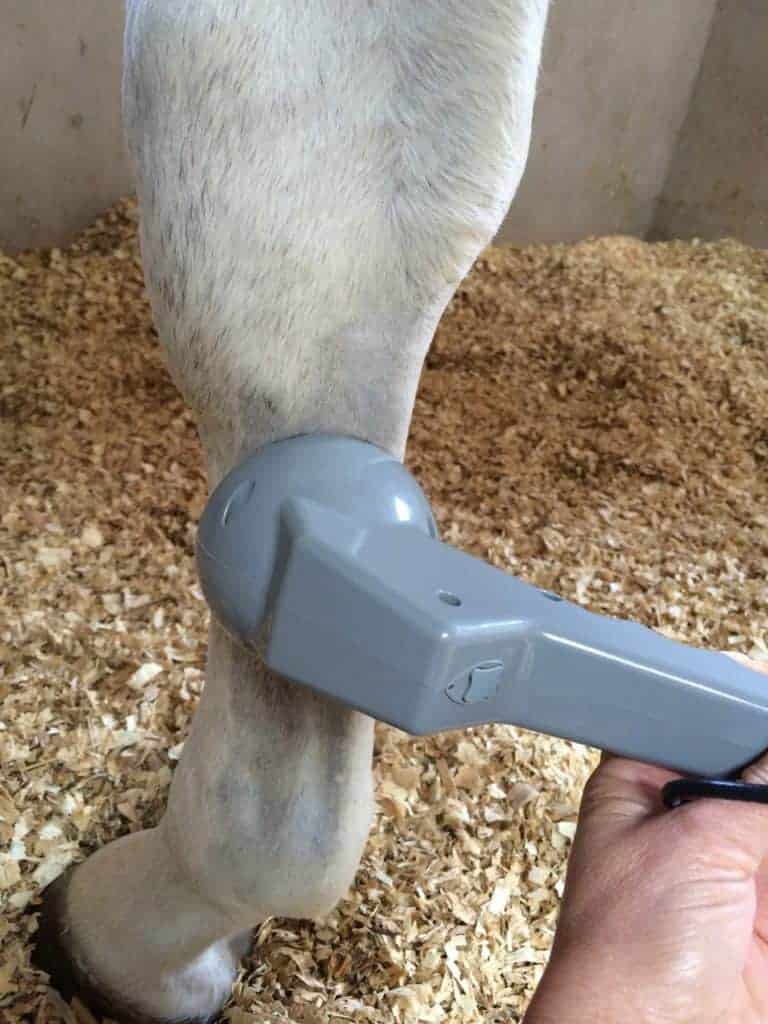
The amount of laser light reaching internal structures depends on the horse’s hair and skin thickness and color.

Learn how to right a recumbent horse and what factors influence his survival.

Researchers said the ethogram allowed an assessor to differentiate between clinically lame and sound horses.

Several ingredients claim to help equine gastric ulcers, but only a few have research behind them.

Learn to identify these common and important signs of colic in horses–doing so might save your horse’s life.

The $65 million facility will be named for renowned equine surgeon and researcher Dr. Wayne McIlwraith.

Learn about several substances that can cause heart muscle damage and death in horses.

Cantering kept racehorses fitter during periods of reduced exercise intensity than walking or staying stalled.

Causes of collapse in apparently healthy horses range from sleep deprivation and pain to muscle disorders and pregnancy.

EMS horses had less microbial diversity than healthy horses, potentially impairing gut health and affecting metabolism.

Researchers are learning more about how microbes within the gut influence horse health.
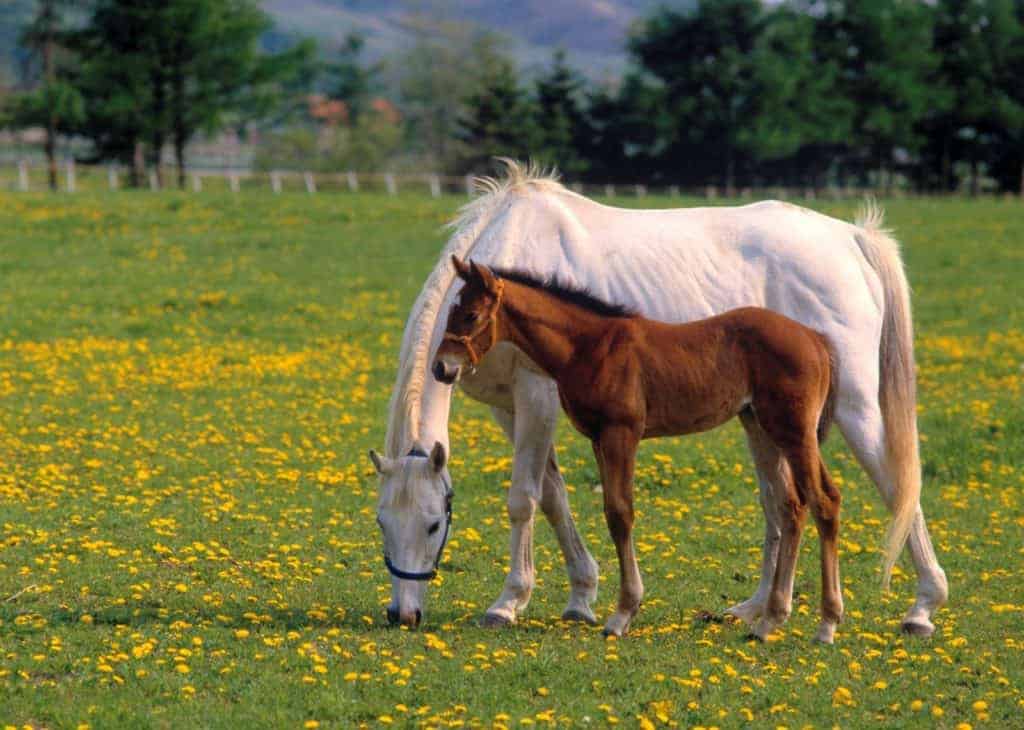
Researchers found that over- and underfeeding can affect foals’ bone growth, metabolism, and testicular development.