Equine Thermography
Thermography is a noninvasive, safe, and cost-effective diagnostic imaging tool used in equine health care.

Thermography is a noninvasive, safe, and cost-effective diagnostic imaging tool used in equine health care.

Researchers have made great strides in understanding laminitis, but it remains a difficult disease to predict and treat.

A forage-based, total mixed-ration cube fed free choice supported weanling growth rates without increasing DOD cases.

Physiologic and anatomic systems coordinate to allow a horse to reach his maximum athletic potential.
The Arabian Horse Foundation is funding research on juvenile idiopathic epilepsy and occipitoatlantoaxial malformation.

A hereditary disease–skeletal atavism–leads to disturbed skeletal development and usually requires euthanasia.
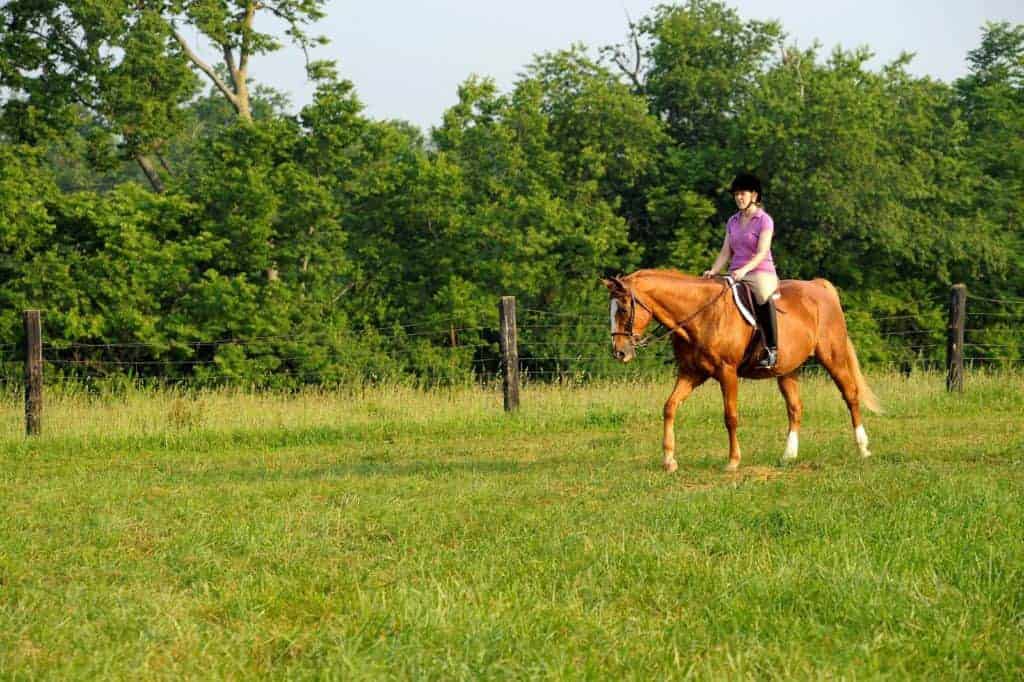
A resveratrol and hyaluronic acid supplement could have anti-inflammatory effects in aged horses, researchers found.

One researcher describes the promising progress that’s been made in lameness diagnosis and treatment.

Vets can glean crucial information by evaluating horses with performance issues in hand, on the longe, and under saddle.

Watch for these conditions that impact nutrient absorption and lead to weight loss in horses.

Researchers found that MRI images of bone thickness could provide critical information about fracture risk.

Researchers investigated oral esomeprazole and a long-acting injectable omeprazole formulation.
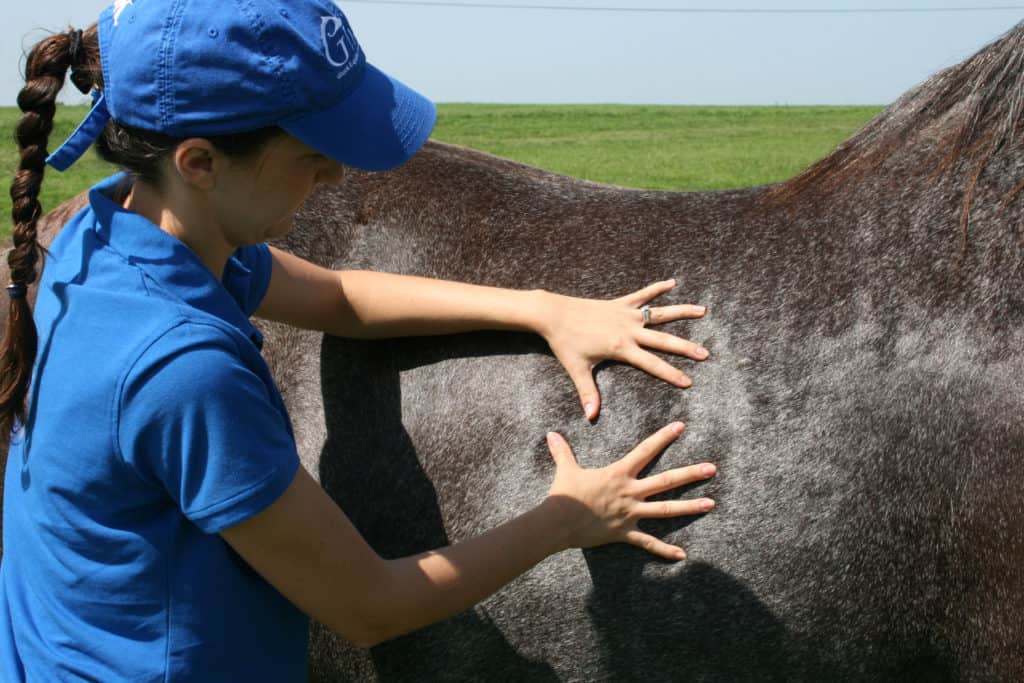
Popular topics included body condition, bisphosphonates, horse identification, hoof problems, deworming, and more.
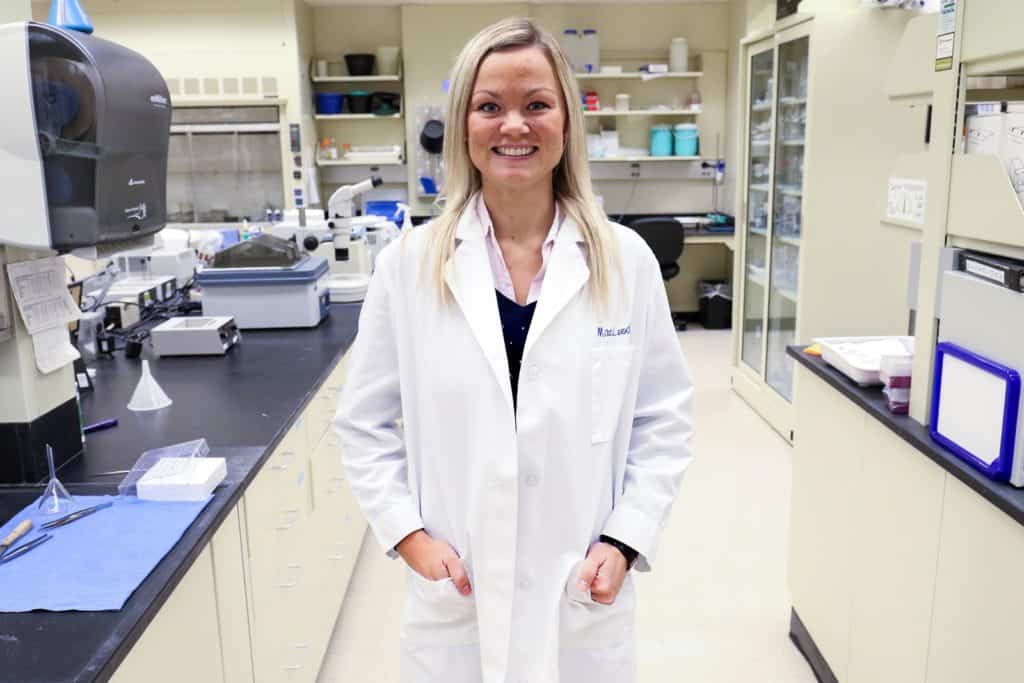
Jasmin Bagge, DVM, is studying the use of stem cells to facilitate tissue repair following injury in horses.

Of the 442 respondents, 90 (20%) use injections as a regular part of their horses’ joint management programs.

Horses can appear lame in the front limb when the real lameness is the hind limb on the same side, researchers found.