Hot Topics in Hoof Care, Part 1: Horse Hoof Biomechanics
Find out how physics plays an important role in how the horse’s hoof works and adapts to force.

Find out how physics plays an important role in how the horse’s hoof works and adapts to force.

Is your horse struggling to breathe? Equine asthma might be the cause.

Rib fractures can cause problems even when there’s no history of trauma or obvious signs indicative of a fracture.

Horses that plow, heal, or protect have distinctly different lifestyles than the average riding horse.

Several new studies were published as a free special collection in the Equine Veterinary Journal this month.
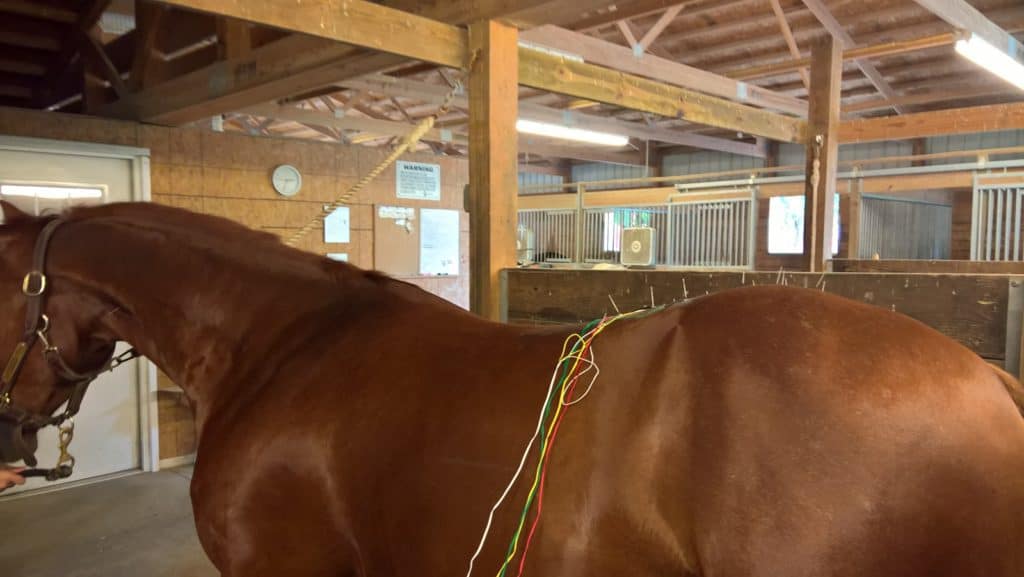
Learn how acupuncture is used to supplement conventional therapies and treatments given to equine patients.
This could allow improved treatments and management for the disorder, as well as improved welfare for affected horses.
Dr. Kyla Ortved will review the varying types of regenerative medicine and their applications in the equine athlete.
The researchers are nearly ready to start analyzing data, but the surveys will remain online for a few more weeks.

A vitamin E deficiency can lead to neurologic problems as well as a retina disorder called pigment retinopathy.
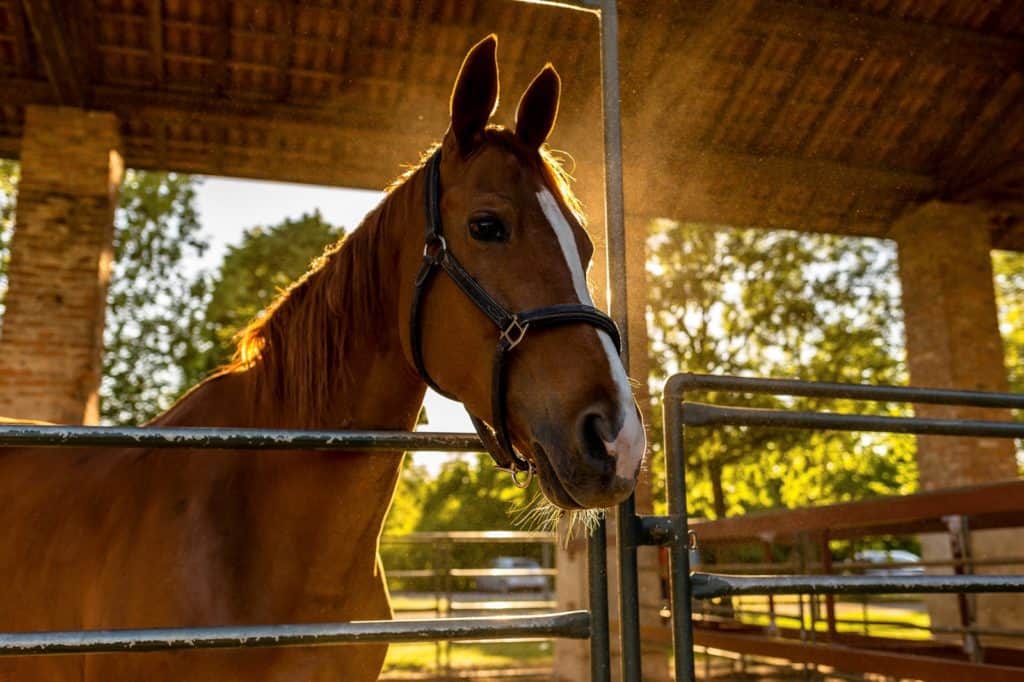
While we can’t cure heaves, or equine asthma, we can help manage their signs of disease. Here’s how.

Some horses’ navicular bones segmented into two or three parts, which can be detrimental to health and welfare.

Researchers are making steady progress toward understanding catastrophic fractures and, ultimately, how to prevent them.

Ashley Wagner-Wells’ research focused on equine protein metabolism and skeletal muscle physiology.

Do you have a mature or senior horse? Find out how to keep him comfortable and competitive as he ages!

Researchers believe the tested supplements could help reduce the joint inflammation that can lead to osteoarthritis.