How Long Does it Take Jumping Horses’ Muscles to Recover?
Researchers found that jumping at shows two weekends in a row did not allow horses adequate muscle recovery.

Researchers found that jumping at shows two weekends in a row did not allow horses adequate muscle recovery.
Lecture topics will include neurologic and orthopedic problems, imaging techniques, and treatment and rehab options.
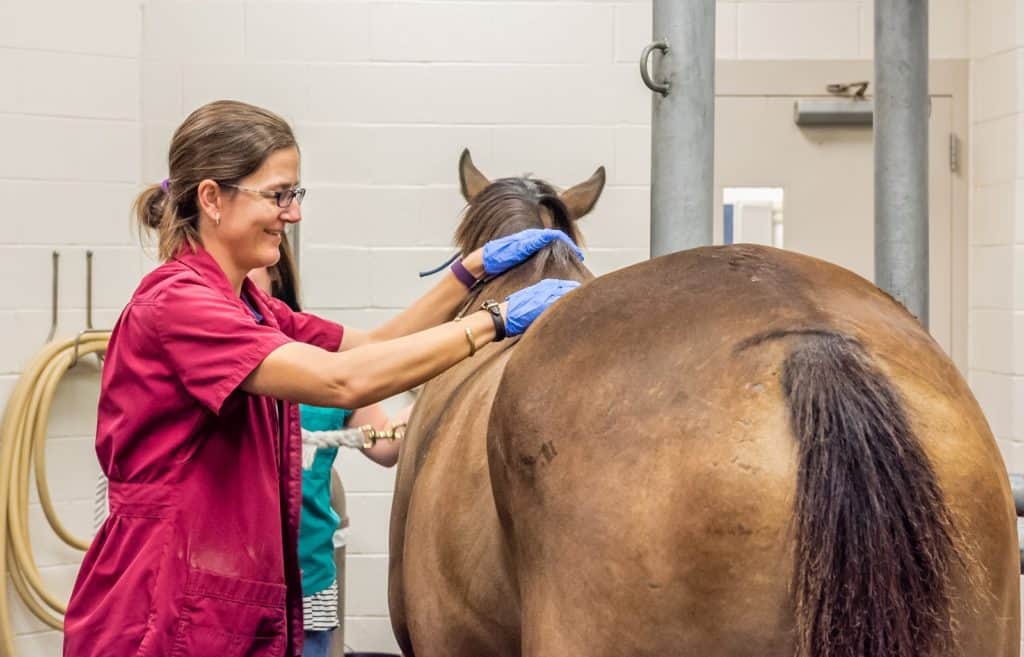
Horses consuming the supplement following joint injections were less lame than control horses, researchers found.
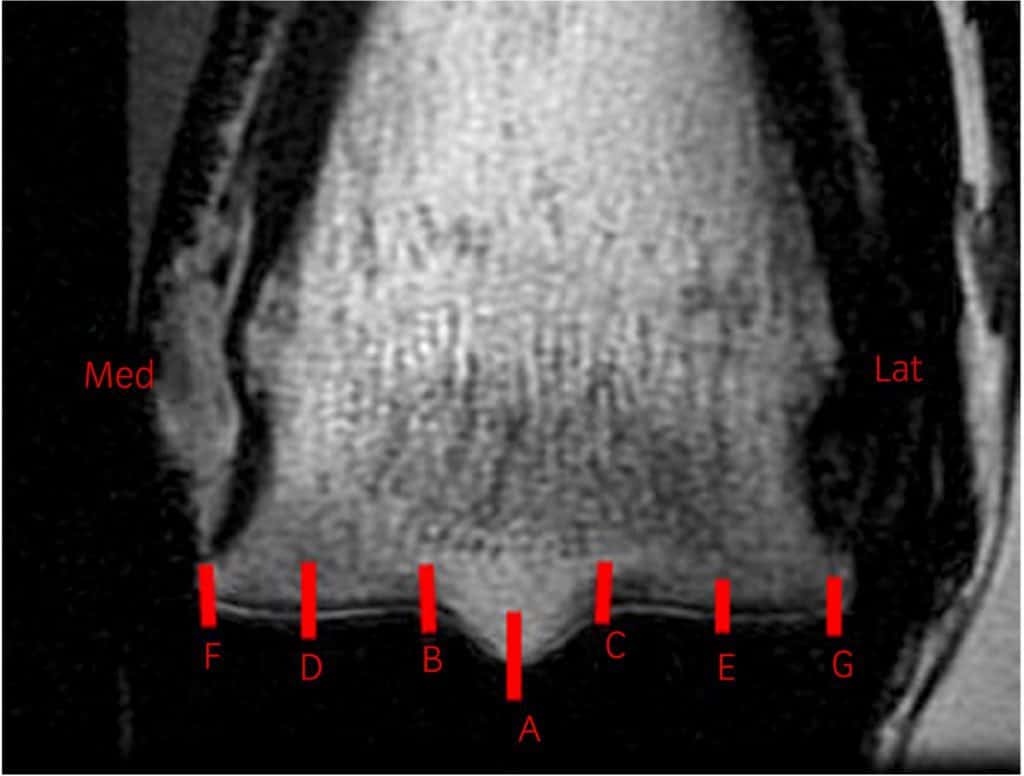
Drs. Tim Parkin and Sarah Plevin describe studies focused on predicting injury before it occurs.

Bone turnover in horses rested after intense training was better than in those in consistent intense work.

Many elements must remain within a normal range for a horse’s mouth to stay healthy.

Look for educational articles and social media posts on keeping equine joints and bone healthy, Oct. 9-15.
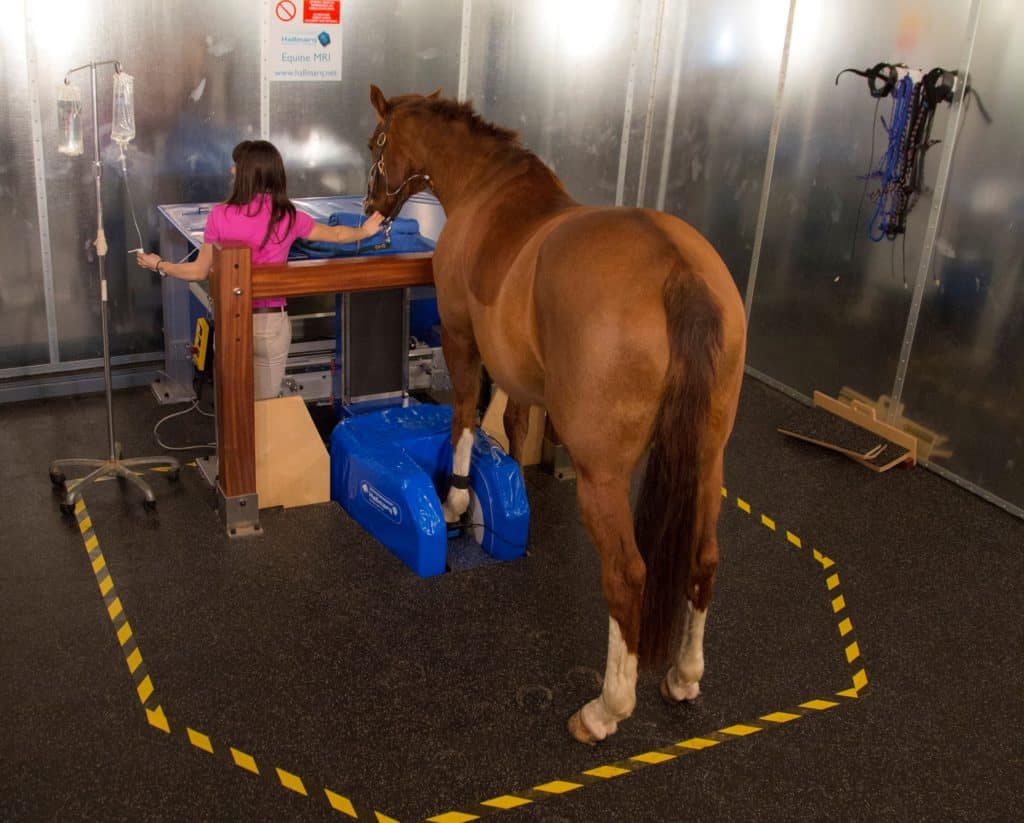
Researchers found that standing MRI is effective for viewing the difficult-to-image ligaments in the horse’s lower legs.
Dr. Norm Ducharme will speak on various upper airway issues, current research, and emerging diagnostics and treatments.

The incidence of Lyme NB appears low, but this could be, in part, due to the lack of a gold-standard ante-mortem test.
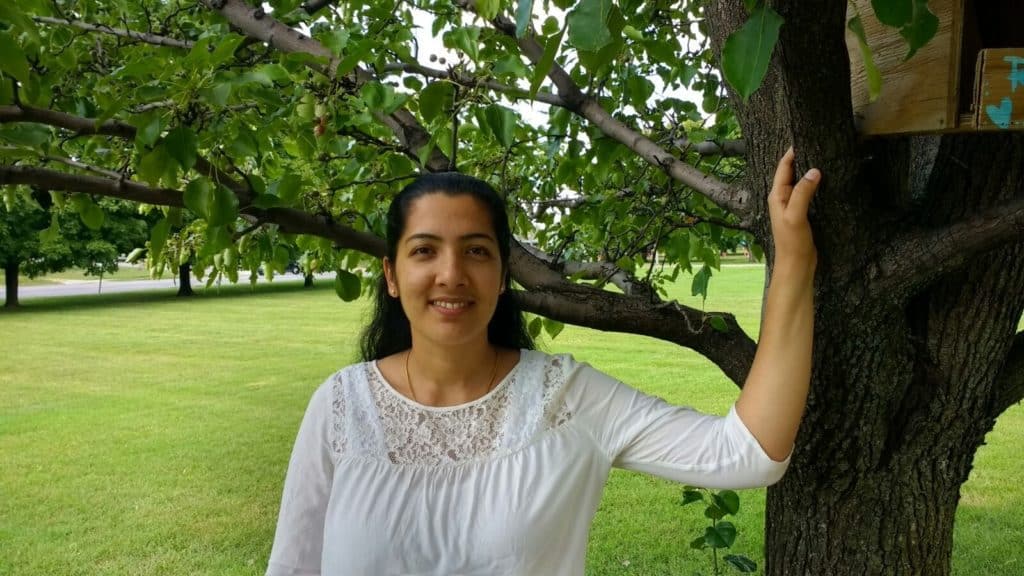
Parvathy Thampi is investigating the mechanisms that limit joint cartilage’s ability to repair.
Topics will include the horse’s upper airways, lameness diagnosis, and preventing injuries in equine athletes.
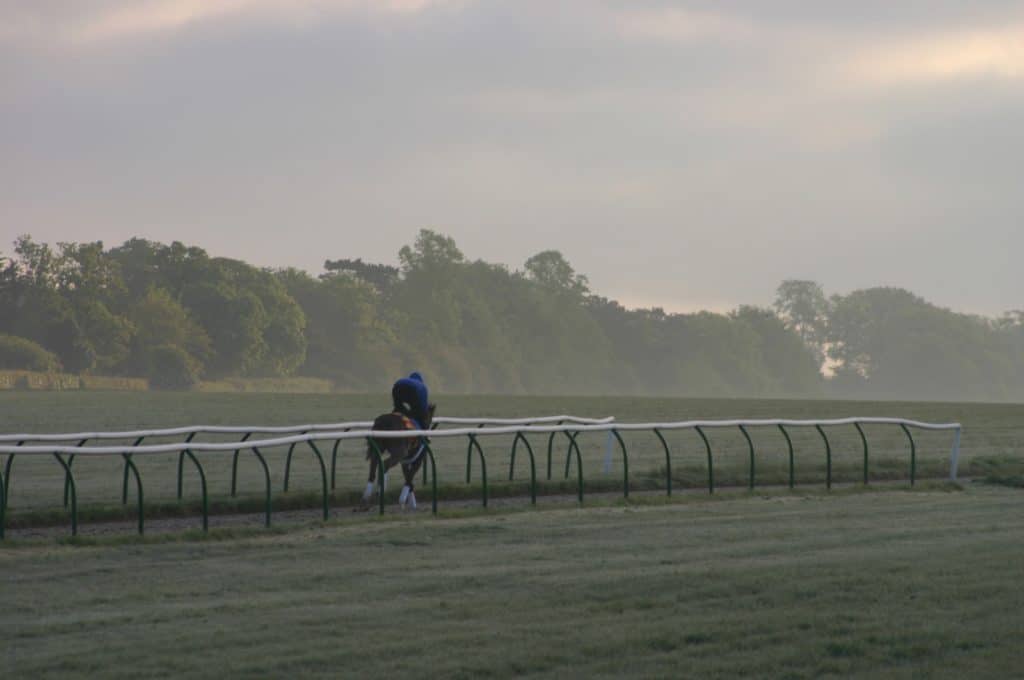
Findings from a recent study show that 70% of injuries recorded over a 14-year period were minor and not career-ending.

Of the 1,452 respondents 579 (40%) said they occasionally treat their horse to apples or carrots.

Based on study results, researchers believe short trips likely have limited implications for healthy horses.

Drs. Liz Arbittier and Jessica Morgan will provide tips to help owners improve their lameness identification skills.