Equine Foundation Donation to Aid in Lameness Evaluation
Equine Guelph and Dr. Judith Koenig received a donation help to purchase a lameness evaluation device.

Equine Guelph and Dr. Judith Koenig received a donation help to purchase a lameness evaluation device.

Two equine surgeons shared their thoughts on rotational limb deformities, contracted carpal joints, club feet, and more.

Ultrasound is a useful method for diagnosing carpal sheath effusion, which is often associated with soft tissue damage.
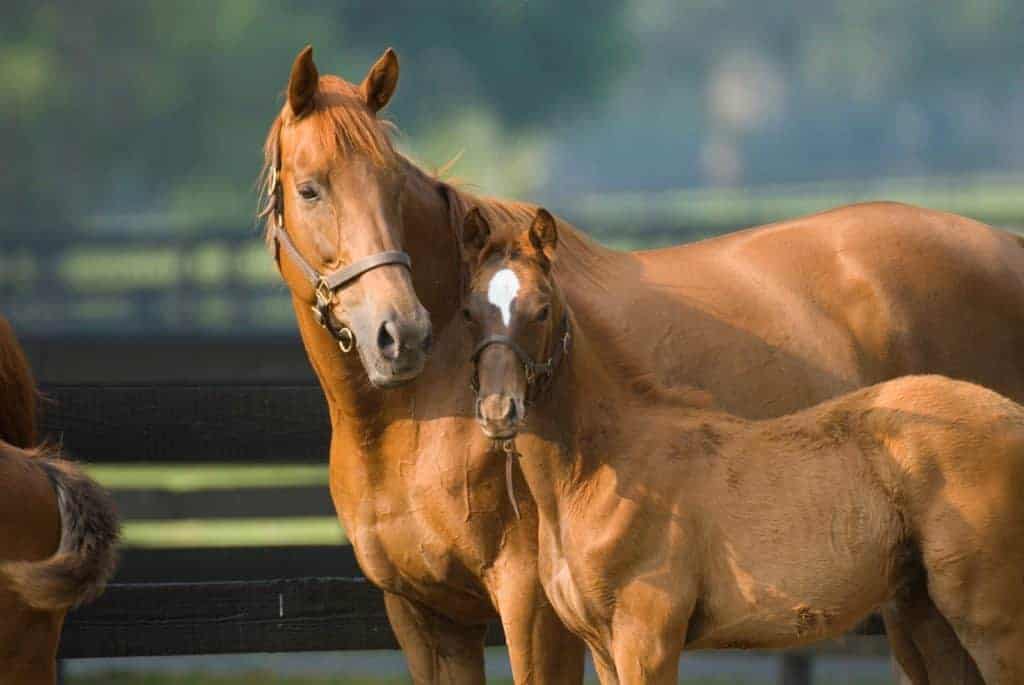
Misoprostol, which can cause abortion in humans, is used to prevent or treat right dorsal colitis in horses.

About 90% of performance horses and 25 to 50% of foals have ulcers. Here’s what to watch for and how to prevent them.

Hoof-related issues are a hot topic in veterinary medicine. Here’s what practitioners discussed at a recent meeting.

Often used to treat dorsal displacement of the soft palate, the technique also appears useful for treating dysphagia.

Consider this under-recognized issue before deciding which limb is the primary lameness source.
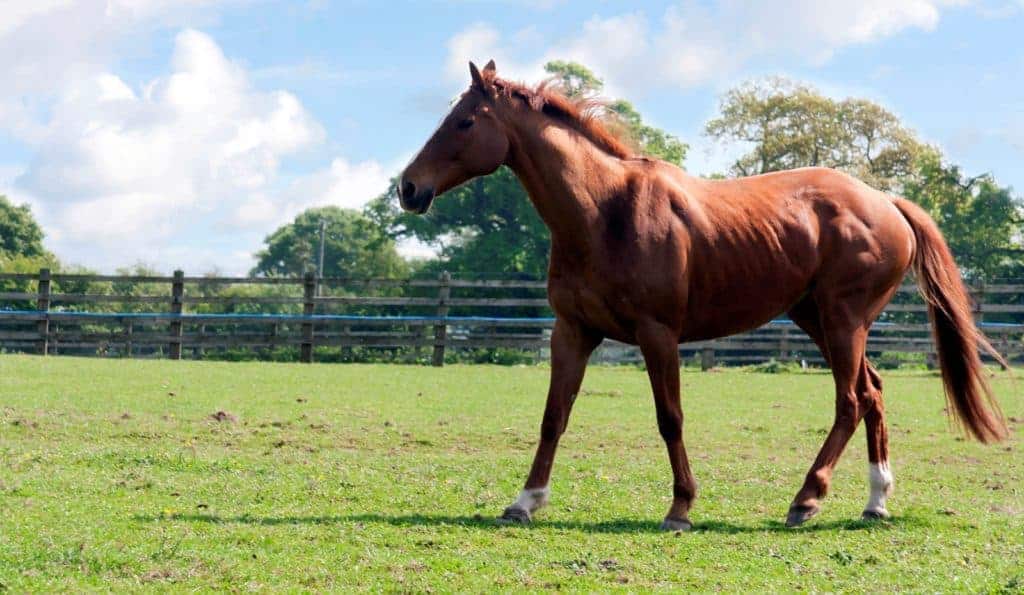
The tendon’s interfascicular matrix stiffens as it ages, making older horses more susceptible to injury.
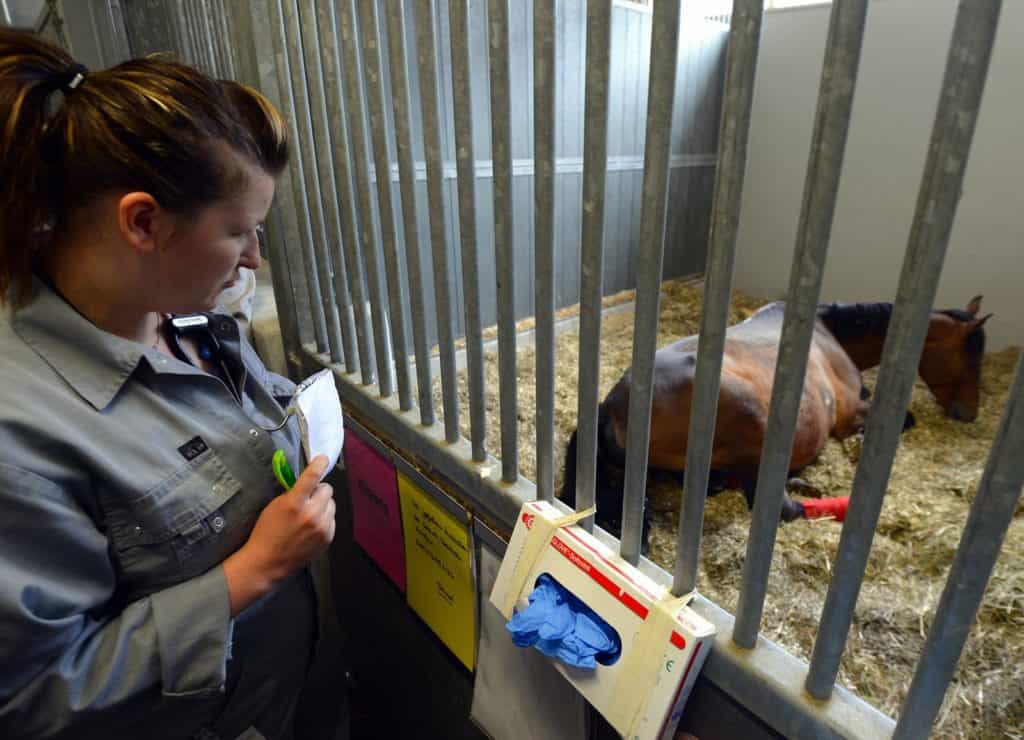
In the researchers’ clinic colic incidence among each group of patients was not significantly different.

Researchers have found success treating some proximal suspensory desmitis cases with autologous conditioned serum (ACS).
Dr. Sophie H. Bogers’ research focuses on using stem cells to treat osteoarthritis in horses.
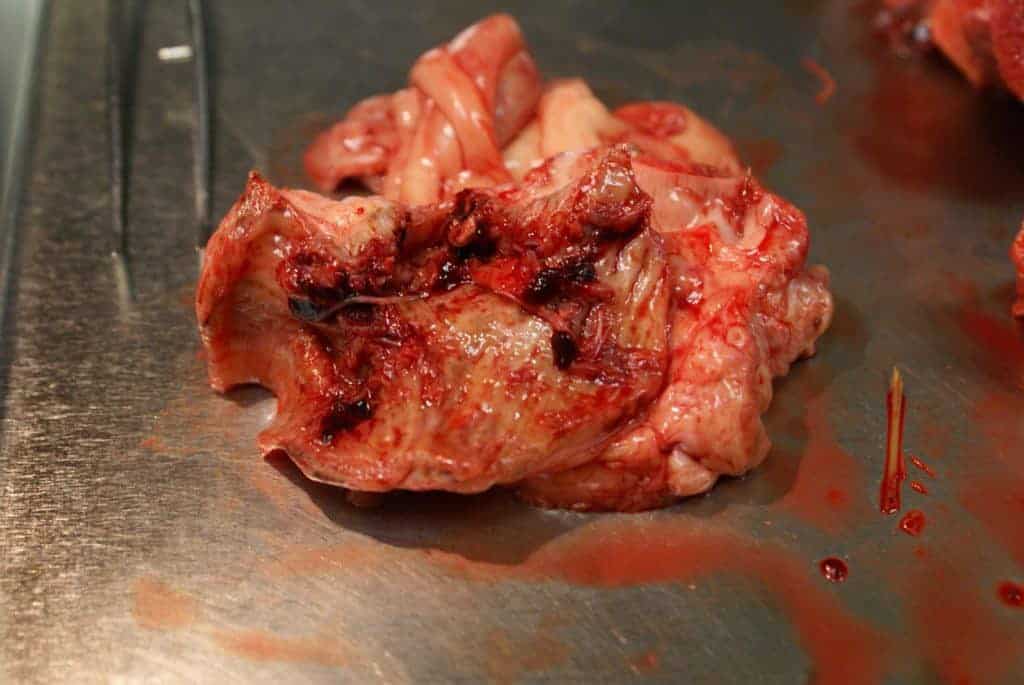
Using a new test, researchers determined that bloodworms are associated with nonstrangulating intestinal infarctions.

Don’t rely on hearsay when it comes to caring for your horses’ hooves.

Researchers examined the loading rates on a hoof of a galloping horse wearing different aluminum racing shoes.

Using proper diagnostic technique and good quality radiographs is critical when diagnosing these fractures in foals.