Drugs and Your Horse: The Dangers of Medicating
Improper use of some common equine drugs can impact our horses’ health and safety more than some might think.

Improper use of some common equine drugs can impact our horses’ health and safety more than some might think.

Infrared thermography (IRT) appears effective at measuring a horse’s skin temperature during water treadmill exercise.

Subjective clinical evaluation allows practitioners to detect mild lameness as well or better than objective methods.

Do you have the winter blues? Spring is on the way—we promise! Now is a great time to start planning your horse’s fitness program. Whether you’re headed to horse shows or trail rides, join us to learn how to get your horse riding ready.

Reducing the prevalence of catastrophic equine injuries and sudden deaths could help improve jockey safety.

Learn how vets are using an arthroscope that’s 1.3 mm in diameter and 100 mm in length to evaluate stifle problems.

Your foal’s “official” birthday might be Jan. 1, but consider his actual age when devising a diet, researchers say.
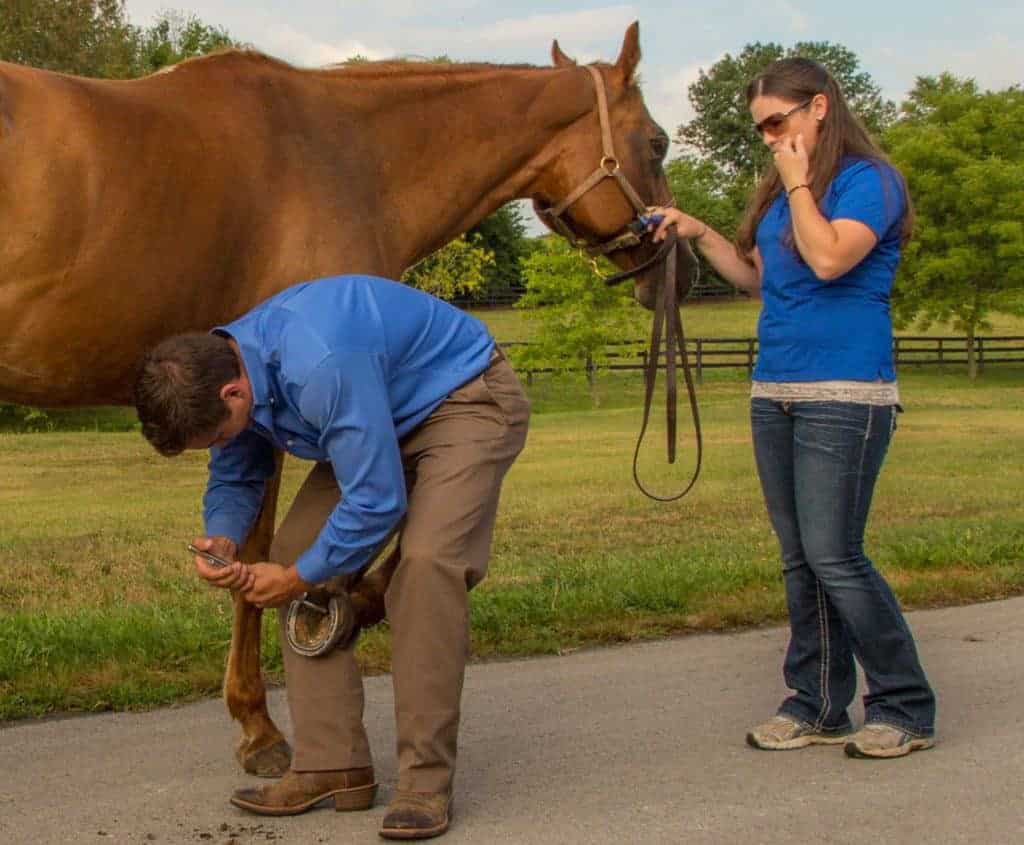
Learn how equine practitioners can assess and pinpoint the source of foot pain using a methodical series of tests.

Studies covered stem cells, nerve blocks, respiratory issues, joint supplements, kissing spines treatments, and more.
The additional protocols come in the wake of a recent rash of catastrophic breakdowns at Aqueduct Racetrack.
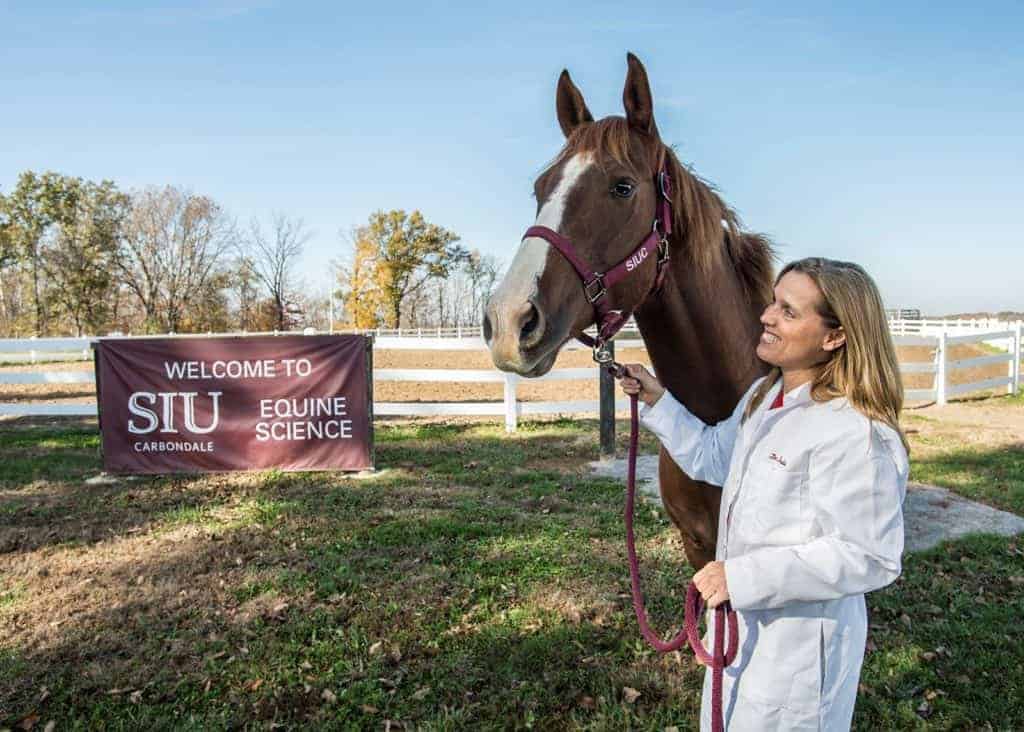
Erin Venable, MS, PhD, is using cannulated horses to learn what goes on in a horse’s cecum.

Researchers’ definition of this respiratory issue continues to evolve. Here’s what we currently know.
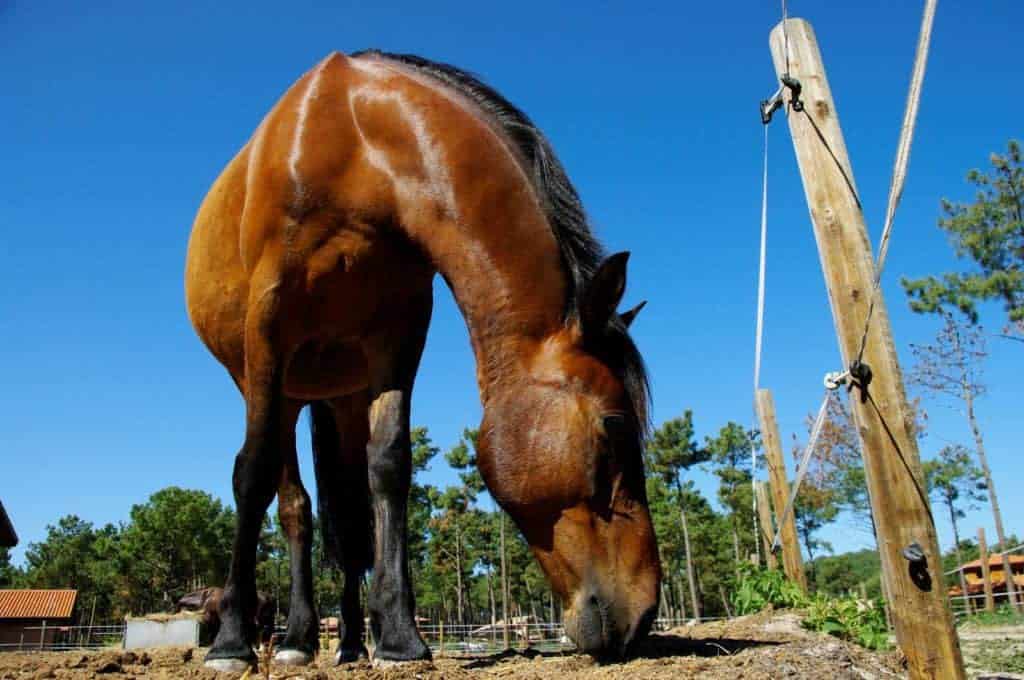
A psyllium/magnesium sulfate combination appears safe and effective for helping horses evacuate sand from their colons.

The standing MRI is the first installed at a Thoroughbred racetrack or training center in North America, officials say.

Researchers are looking for ways to help aging equine athletes through so-called “satellite cells.”

Researchers believe improved training and breeding could lead to reduced wastage and more “viable” horses.