Seven Tips to Help Keep Your Horse Healthy When Traveling
Vaccination and biosecurity can help keep your horse healthy when you take him off the farm.

Vaccination and biosecurity can help keep your horse healthy when you take him off the farm.

Learn the latest on diseases horses can get from ticks and why they continue to frustrate veterinarians and researchers.

The mainstays of biosecurity still center around good hygiene, diagnostics, quarantine, isolation, and traffic control.

Controlling disease spread can be challenging. A veterinarian offers tips on how to react if your farm becomes infected.

What equine biosecurity methods do you use around your horse farm or facility?
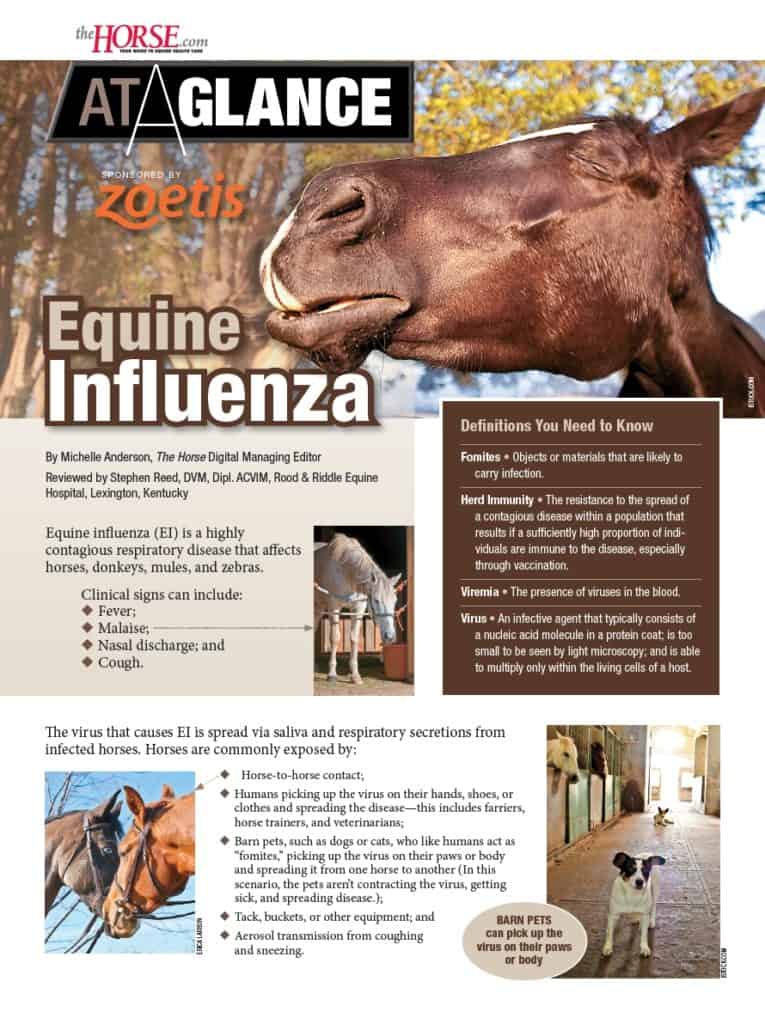
Equine influenza is a highly contagious respiratory disease. Learn how to protect your horse!

With EHV cases reported from California to Kentucky already in 2017, get information you need to protect your horse.

Don’t wait for another disease outbreak to brush up on your EHV-1 knowledge.

Implement appropriate biosecurity measures pre-emptively, as infectious disease is an ever-present risk with horses.

You know cleaning and disinfecting exposed surfaces helps prevent disease spread, but what’s the best way to do it?
Panelists discussed the potential impact on equine trade, identification, biosecurity, competition travel, and more.

Jacqueline Smith, PhD, explains how geographic information systems can help monitor and even predict disease outbreaks.

Biosecurity, especially for ambulatory practitioners, can present challenges. Here, vets share practical tips.
Read the top tweets and take-homes from Rood & Riddle Equine Hospital’s client education seminar.
Read our editor’s take-home EHV-1 tweets from the Kentucky Horse Council’s KENA meeting held Feb. 21.
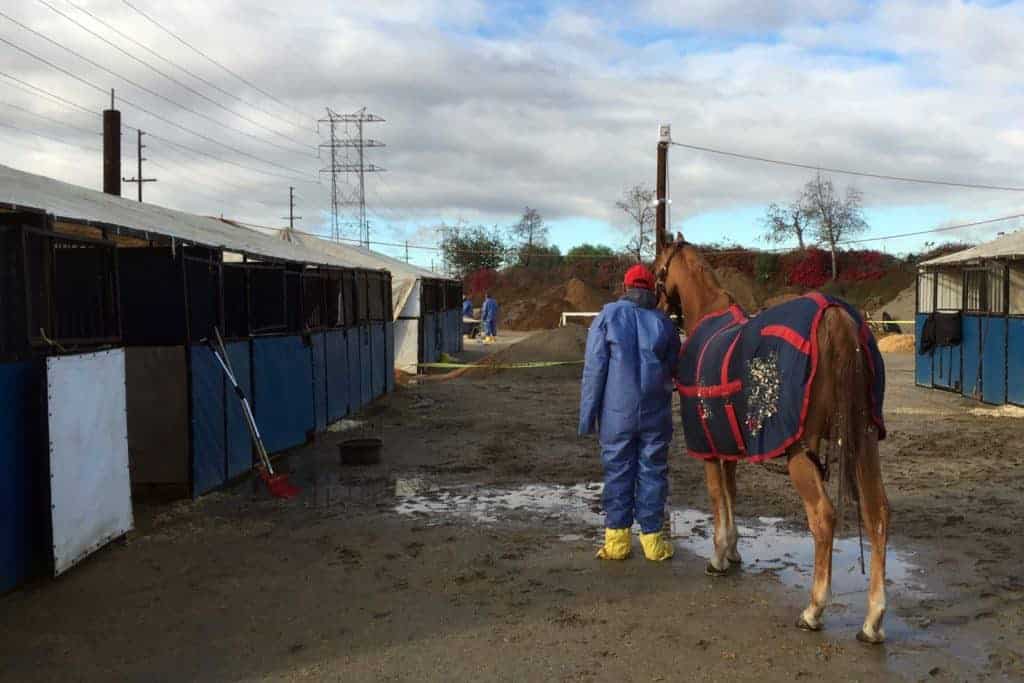
Animal health officials help manage disease outbreaks, ensure the health of animals crossing state lines, and more.