Can My Horse Stay on a Forage Diet This Winter?
An equine nutritionist explains how to make sure your summertime easy keeper remains healthy this winter.

An equine nutritionist explains how to make sure your summertime easy keeper remains healthy this winter.
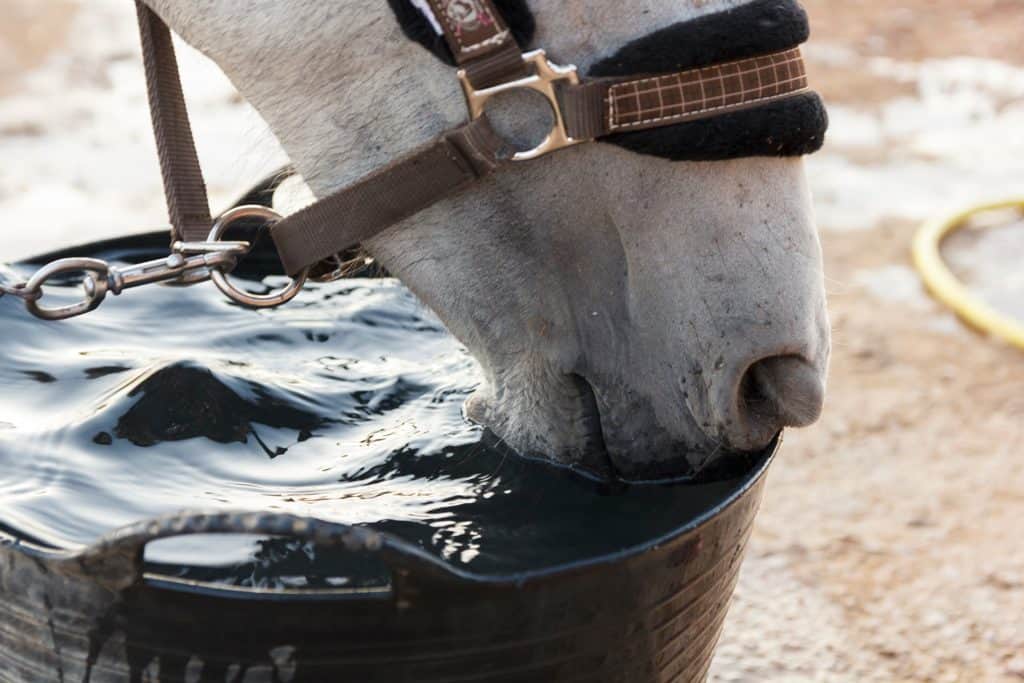
Learn about the importance of hydration, fiber, and caloric intake during the winter months.

A once-heavy senior horse is struggling to hold condition after dental work. Our nutritionist weighs in.
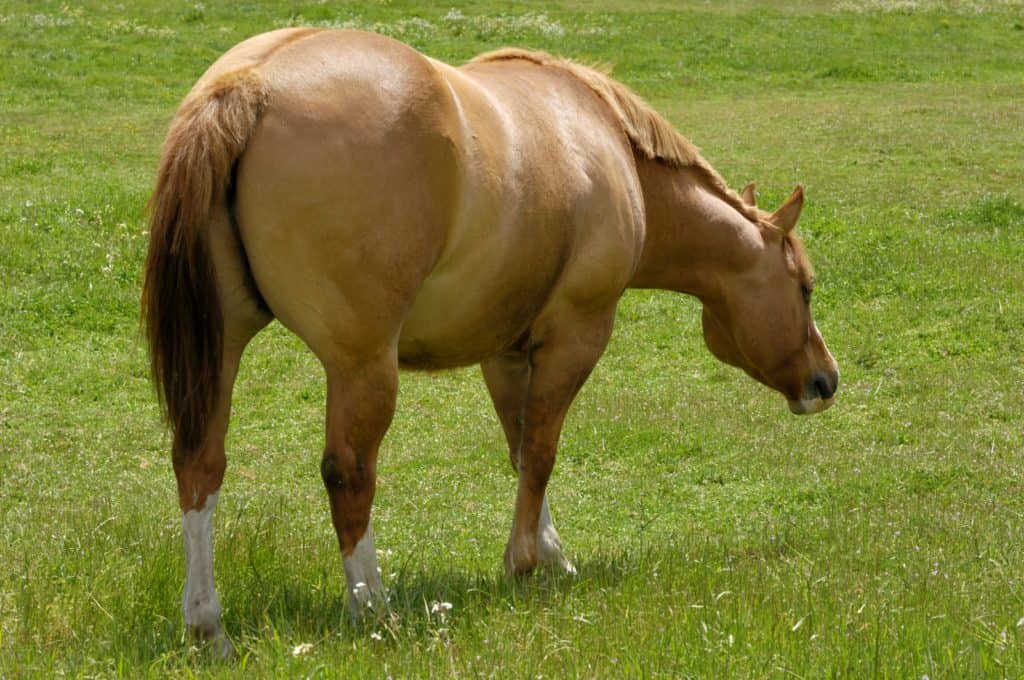
Using a focus-on-forage approach, a veterinarian specializing in equine nutrition explains how she plans a diet for easy keepers.

A veterinarian explains how to increase a horse’s weight safely.

Judges often place overweight ponies—which could be at greater risk for metabolic issues and laminitis—higher than their leaner counterparts in competition.
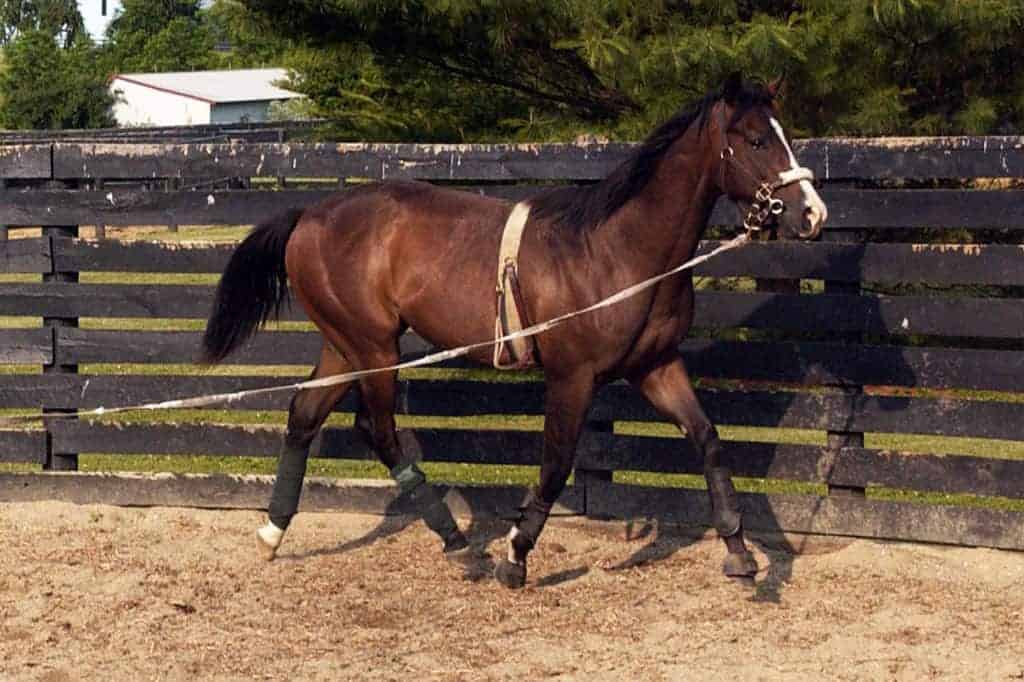
Young horses in work have different nutritional needs than their adult counterparts.
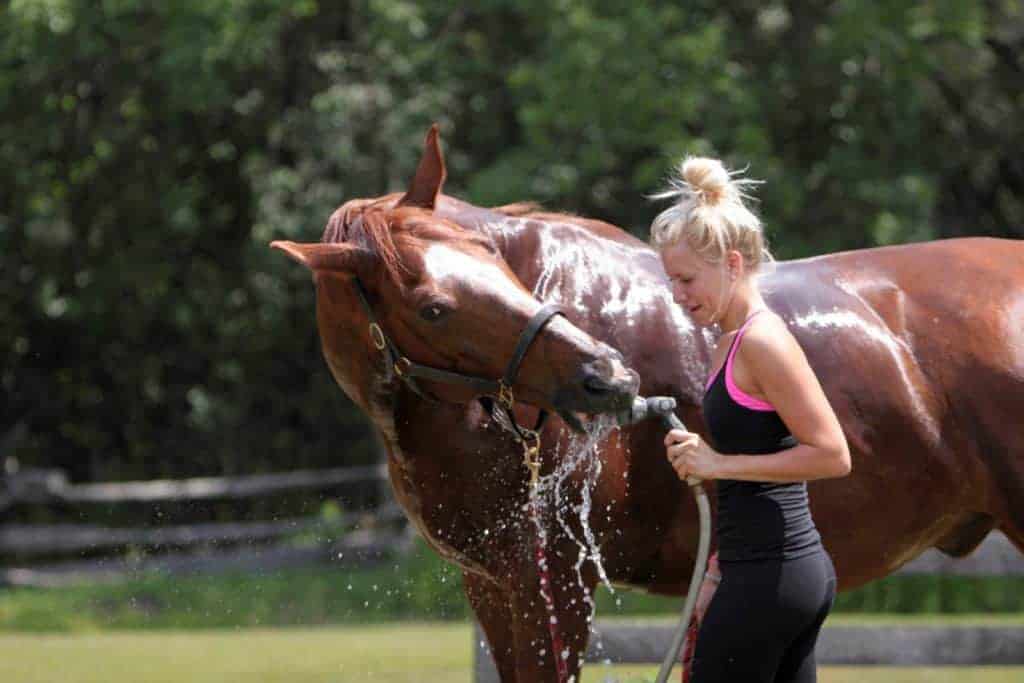
As tough as steamy summers can be on humans, they can be even harder on horses. Two veterinarians share tips on how to help your horse beat the heat this summer.
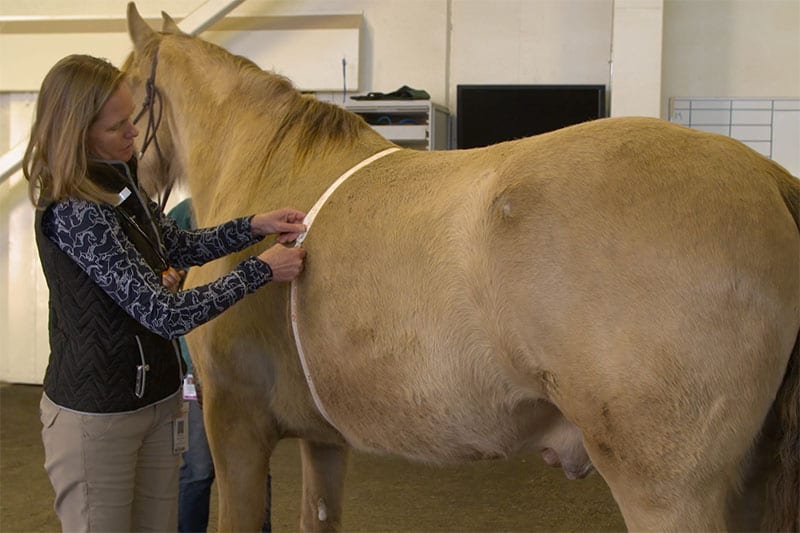
A careful approach to nutrition and exercise can help you keep your horse at an ideal weight.
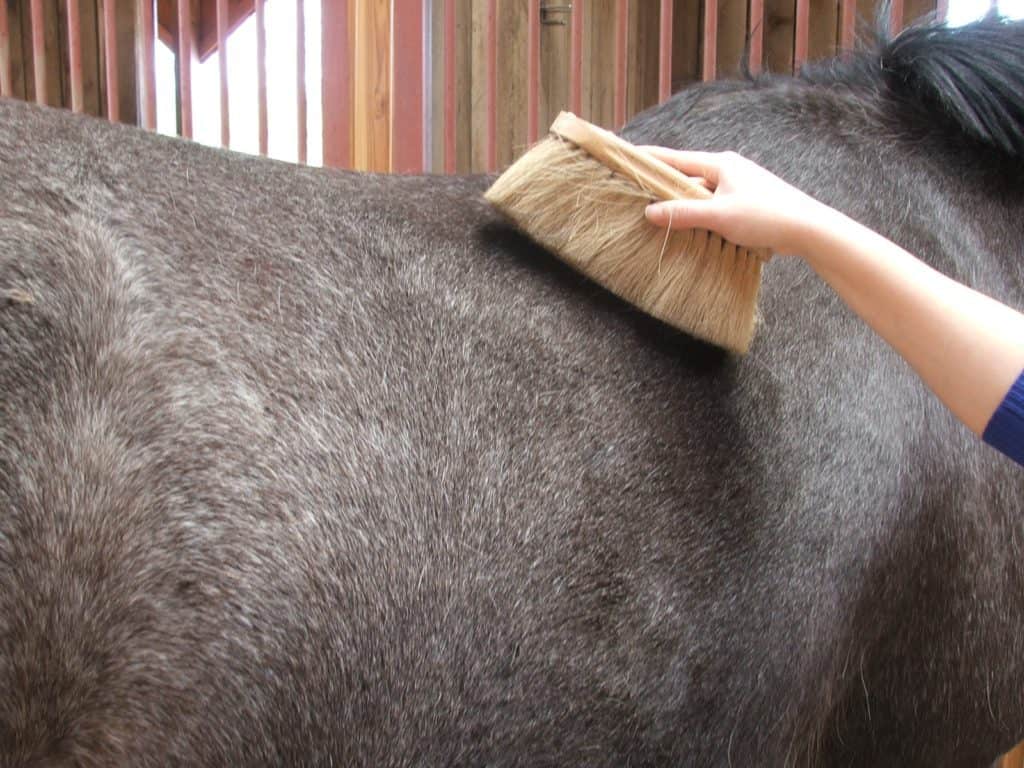
Senior horses with PPID need careful monitoring and preventive care because of equine Cushing’s effects on immunity, exercise tolerance, thermoregulation, and wound healing.

Why do some horses wear muzzles, but others don’t? Does your horse need to wear a muzzle year-round? From proper fit to feeding, here’s what you need to know about these weight-loss contraptions.

Experts share 8 tips to increase your thin horse’s weight and muscle mass.

Learn the correct body condition score for a horse going into the cold months from equine nutritionist Dr. Clair Thunes.

The key is adding weight carefully without triggering hyperinsulinemia and laminitis.

How do you feed recreational riding horses to meet their nutritional and digestive needs without causing weight gain? Get those questions and more answered during this live recording of our podcast. Sponsored by Nutrena.

Researchers found extra body fat causes movement asymmetries and affects horses’ performance on a chemical level.